Ankole Region
Ankole Region is one of southwestern Uganda’s most culturally distinctive destinations, celebrated for its long-horned cattle, traditional pastoral heritage, rolling hills and the enduring customs of the Banyankole people. Centred around Mbarara and the surrounding countryside, the region offers travellers an opportunity to explore an important part of Uganda’s cultural identity while experiencing its agricultural landscapes and contemporary communities.
From cattle-keeping traditions and cultural heritage centres to local food, historical landmarks and scenic countryside, Ankole provides a rewarding introduction to life in southwestern Uganda. Its location also makes it a natural addition to journeys connecting Kampala with Lake Mburo National Park, Queen Elizabeth National Park and other western Uganda destinations.
Ankole Region at a Glance
- Location: Southwestern Uganda, with Mbarara serving as a principal urban and transport centre.
Landscape: Rolling hills, open grasslands, cattle-grazing areas, cultivated countryside, wetlands and scattered woodland.
Best known for: Ankole long-horned cattle, Banyankole cultural traditions, pastoral heritage and Mbarara.
Other experiences: Cultural heritage visits, cattle-farm experiences, traditional food, historical interpretation, birdwatching and scenic excursions.
Principal visitor areas: Mbarara, Igongo Cultural Centre, Biharwe and selected rural communities.
Safari style: Suitable for private, tailor-made cultural journeys, heritage-focused travel and longer western Uganda safari itineraries.
Planning priority: Confirm access to cultural centres, cattle farms and community experiences before finalising transport and accommodation.
A region shaped by cattle and culture: Ankole’s identity is closely associated with the Banyankole people and their historical pastoral and agricultural traditions. The distinctive long-horned Ankole cattle are among the region’s most recognisable cultural symbols, while language, food, storytelling and customary practices continue to connect communities with their heritage.
Ankole is more than a convenient stop along Uganda’s western safari circuit. Its living traditions, landscapes and cultural institutions make it a destination worth exploring in its own right.
Why Visit Ankole Region?
The appeal of Ankole Region begins with its distinctive cultural heritage and the opportunity to learn about the traditions of the Banyankole people. Cattle have long held economic, social and symbolic importance in the region, influencing livelihoods, family relationships and cultural identity.
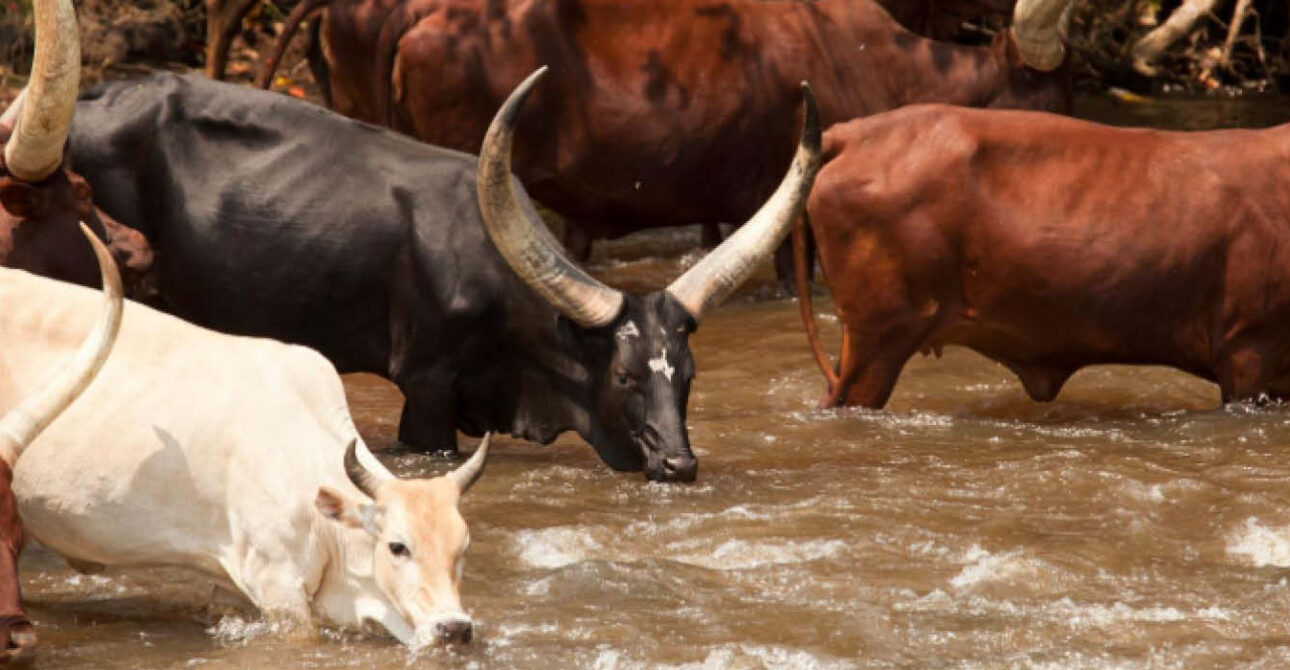
The famous Ankole long-horned cattle are particularly striking. Their large, sweeping horns and close association with traditional pastoral life make them one of southwestern Uganda’s most recognisable sights. Carefully arranged cattle-farm visits can introduce travellers to herding practices and the relationship between livestock and local communities.
Ankole also offers opportunities to explore historical and cultural landmarks. Igongo Cultural Centre, near Mbarara, introduces visitors to regional history, traditional lifestyles and cultural heritage, while the Biharwe area is associated with historical traditions surrounding an eclipse during the era of the old regional kingdoms.
Beyond culture, the region’s rolling hills, farmland and rural scenery offer a different perspective on Uganda’s landscapes. Its location provides convenient connections to Lake Mburo National Park and other western Uganda safari destinations.
A visit to Ankole can therefore bring together cultural discovery, countryside scenery, historical interpretation and wildlife experiences within a carefully designed Uganda itinerary. Explore our Uganda Safari Destinations.
Things to Do in Ankole Region
Ankole Region offers a variety of cultural, historical and scenic experiences that can complement a wider Uganda safari. The most suitable activities depend on your interests, available time, local arrangements and the location of your accommodation.
Experience Ankole Long-Horned Cattle
Ankole long-horned cattle are among the region’s most distinctive cultural symbols. Their impressive horns and historical importance to Banyankole pastoral communities make them a memorable feature of the southwestern Ugandan countryside.
Through an appropriately arranged farm visit, travellers can learn about cattle keeping, traditional herding practices and the cultural significance of livestock. Visits should respect farm operations, animal welfare and the privacy of participating households.
Explore Banyankole Cultural Heritage
Banyankole cultural heritage is expressed through language, traditional customs, family relationships, storytelling and the region’s pastoral and agricultural history.
Guided cultural experiences can introduce visitors to the historical relationship between Bahima pastoral traditions and Bairu agricultural traditions, while recognising the diversity and changing identities of contemporary Banyankole communities.
Visit Igongo Cultural Centre
Igongo Cultural Centre, situated near Mbarara along the western Uganda travel corridor, is one of the region’s best-known cultural attractions.
The centre is associated with the presentation of southwestern Uganda’s history, traditional lifestyles, artefacts and cultural heritage. It can provide useful background for travellers interested in the communities and historical kingdoms of the region.
Discover Mbarara City
Mbarara is an important commercial and transport centre in southwestern Uganda. A guided visit can introduce travellers to local markets, contemporary urban life, food traditions and the city’s relationship with the surrounding cattle-keeping and agricultural communities.
Mbarara also provides accommodation, restaurants and practical connections to western Uganda’s national parks and cultural destinations.
Explore Biharwe and Its Historical Heritage
Biharwe, near Mbarara, is associated with traditions surrounding a historical solar eclipse and the history of the wider interlacustrine kingdoms.
The Biharwe Eclipse Monument commemorates this heritage and provides a starting point for learning about the region’s historical narratives. Visitors should use knowledgeable local interpretation, as the dating and details of historical traditions may be presented differently across sources.
Discover Traditional Ankole Food
Food provides an accessible introduction to Banyankole culture and agricultural traditions. Visitors may encounter dishes prepared from millet, bananas, beans, groundnuts, vegetables and milk products, reflecting the region’s pastoral and farming heritage.
A guided culinary experience or appropriately arranged meal with local hosts can introduce travellers to regional ingredients, preparation methods and the cultural role of food.
Explore Rolling Hills and Rural Landscapes
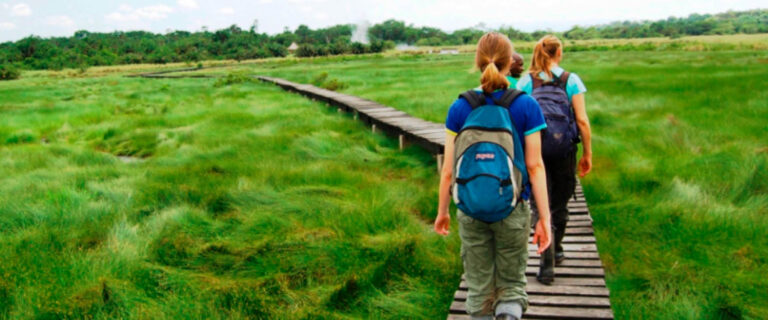
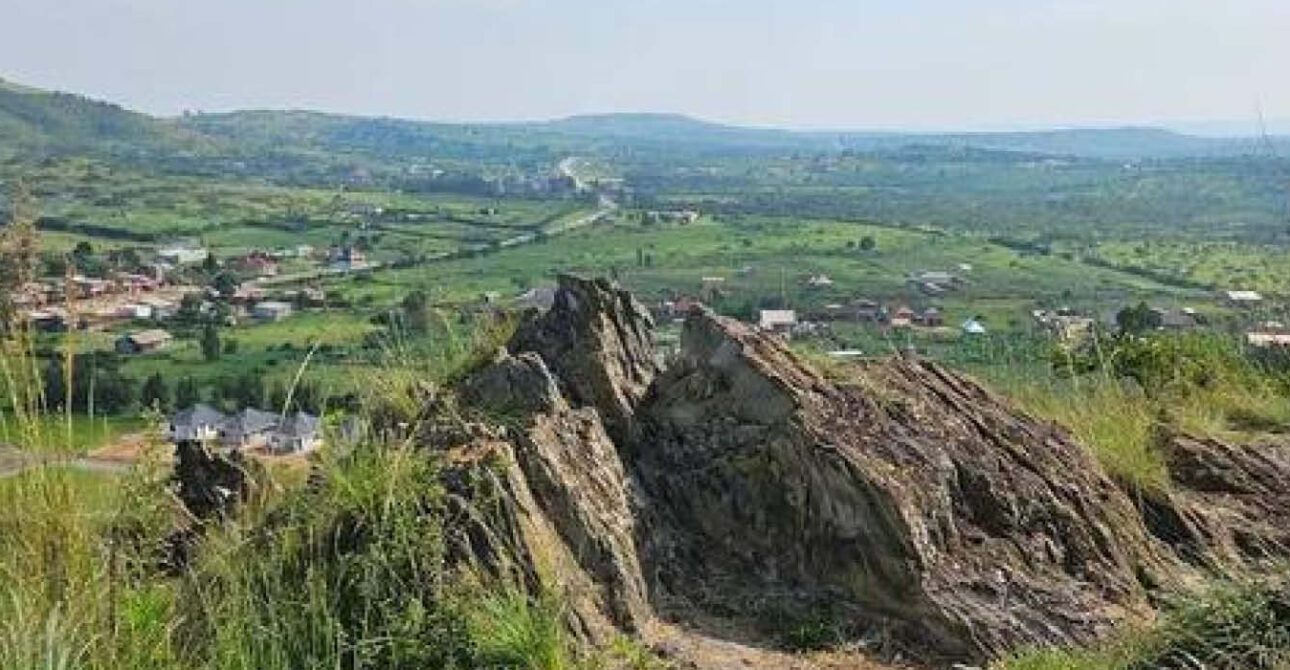
Ankole’s countryside is characterised by rolling hills, grazing lands, cultivated fields and scattered settlements. Scenic drives offer opportunities to observe rural landscapes and appreciate the relationship between agriculture, cattle keeping and the region’s natural environment.
Photography stops and community encounters should be arranged responsibly, with permission obtained before entering private land.
Birdwatching and Nature Excursions
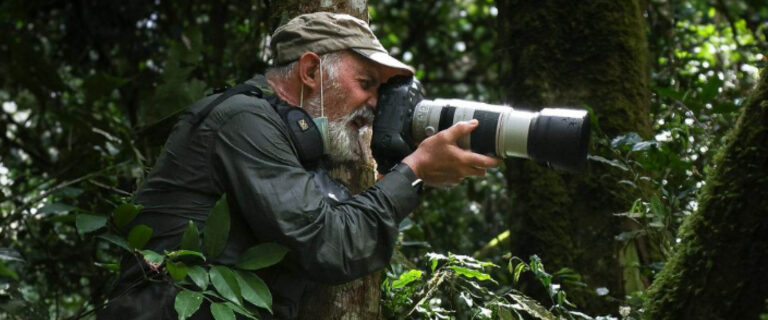
The region’s wetlands, farmland, wooded areas and open grasslands support a variety of birdlife. Birdwatching can complement cultural visits, particularly for travellers interested in observing species associated with agricultural and savannah habitats.
Dedicated birders may also combine Ankole with nearby protected areas, including Lake Mburo National Park, where specialist wildlife and birding activities can be arranged.

Ankole Cultural and Historical Visitor Areas
Understanding Ankole’s principal visitor areas helps travellers plan a journey that combines cultural heritage, historical landmarks and contemporary community life.
Unlike a national park with designated visitor sectors, Ankole’s attractions are spread across towns, cultural institutions, cattle-keeping communities and rural landscapes. Access to individual attractions and activities should be confirmed before travel.
Mbarara City
Mbarara serves as a principal gateway to Ankole Region and an important base for exploring southwestern Uganda. The city provides accommodation, restaurants, markets and transport services, along with access to cultural attractions and the surrounding countryside. It can also be a convenient overnight stop for travellers connecting Lake Mburo National Park with destinations farther west.
Igongo Cultural Centre
Igongo Cultural Centre is an established cultural attraction associated with the heritage of Ankole and neighbouring communities in southwestern Uganda. Its cultural displays and historical interpretation can help visitors understand regional traditions, livelihoods and historical identities. The centre’s facilities and exhibitions should be confirmed directly before travel.
Biharwe Historical Area
Biharwe is associated with historical traditions relating to the old regional kingdoms and a notable eclipse. The Biharwe Eclipse Monument offers a point of interest for visitors exploring the historical landscape around Mbarara.
A guided visit can provide context while acknowledging the distinction between oral traditions, historical interpretations and independently documented events.
Ankole Cattle-Keeping Communities
Cattle-keeping communities in the countryside around Mbarara and other parts of Ankole preserve aspects of the region’s pastoral heritage.
Appropriately organised visits may introduce travellers to livestock management, traditional knowledge and the role of cattle in local livelihoods.
These experiences should be arranged through willing hosts and responsible local providers rather than treated as unrestricted tourist attractions.
Rural Ankole Landscapes
The countryside surrounding Mbarara includes grazing lands, cultivated hills and traditional settlements that reflect the region’s agricultural character.
Scenic excursions can complement cultural visits and provide opportunities to observe changing land use, local livelihoods and seasonal landscapes. Travellers should respect private property and avoid interrupting agricultural or livestock activities.
Landscapes, Wildlife and Cultural Heritage
Ankole Region is characterised by rolling hills, open grazing lands, cultivated valleys, seasonal wetlands and scattered woodland. These landscapes reflect the close relationship between the Banyankole people, cattle keeping and agricultural livelihoods that have shaped the region over generations.
The Ankole long-horned cattle are among the most recognisable features of this cultural landscape. Traditionally valued for their social, economic and symbolic importance, these animals remain closely associated with the identity of the region. Their presence across parts of the countryside offers travellers a distinctive view of Uganda’s pastoral heritage.
Beyond livestock, Ankole’s grasslands, wetlands and wooded habitats support birds, small mammals, reptiles and other wildlife. Natural encounters depend on local conditions, land use and the location of the visit. For more extensive savannah wildlife experiences, travellers can continue to nearby Lake Mburo National Park.
The region’s heritage also extends beyond its landscapes. Runyankore language, oral traditions, traditional food and the history of Ankole Kingdom contribute to its cultural identity. Together, these elements provide an opportunity to understand how historical traditions and contemporary livelihoods intersect in southwestern Uganda.
For visitors, Ankole offers a combination of cultural discovery, scenic countryside and natural heritage that complements the country’s better-known national parks.
Birdlife of Southwestern Uganda
Ankole’s wetlands, cultivated landscapes, grazing areas and woodland provide habitats for birds associated with open country and agricultural environments.
Visitors may encounter weavers, herons, egrets, raptors and other species depending on the location and habitat. Seasonal rainfall can influence wetland conditions and bird activity, while local land use affects the opportunities for observation.
Birdwatching around Mbarara and the surrounding countryside can complement cultural excursions. Travellers interested in more specialised birding can also consider Lake Mburo National Park, subject to current access and guiding arrangements.
Ankole Cattle and Pastoral Heritage
The distinctive long-horned Ankole cattle have a long association with the region’s pastoral communities and cultural traditions.
Historically, cattle influenced wealth, social relationships, family ceremonies and everyday livelihoods. Milk and milk products remain important aspects of the region’s culinary heritage, although contemporary farming practices and lifestyles vary considerably.
Guided visits to participating cattle farms can introduce travellers to these traditions while encouraging respectful interaction with farmers and responsible treatment of livestock.
Where to Stay in Ankole Region
Choosing where to stay in Ankole Region begins with identifying the cultural experiences and historical attractions you intend to explore. Mbarara is the principal accommodation base, with additional options in the surrounding countryside and along the wider western Uganda safari circuit.
Accommodation ranges from comfortable guesthouses and hotels to selected higher-comfort properties and rural retreats. The most suitable choice depends on your preferred travel style, available time and onward destinations.
Mbarara City Centre
Mbarara City Centre is a practical base for travellers interested in local markets, restaurants, urban experiences and nearby cultural attractions.
Staying centrally provides access to transport services and facilities, making it suitable for short cultural visits or overnight stops on longer Uganda itineraries. Travellers should confirm accommodation facilities, parking and transfer arrangements before booking.
Mbarara’s Residential and Outlying Areas
Quieter neighbourhoods and outlying areas around Mbarara may appeal to visitors seeking a more relaxed setting. These locations can provide a convenient base for private cultural journeys, particularly when visits to Igongo Cultural Centre, Biharwe or nearby cattle-keeping communities are planned.
Consider the distance to your intended attractions and the condition of connecting roads when selecting accommodation.
Igongo and Biharwe Area
The Igongo and Biharwe area is worth considering for travellers particularly interested in cultural heritage and historical interpretation.
Accommodation in this part of the Mbarara corridor may provide convenient access to Igongo Cultural Centre and the Biharwe historical landscape. Confirm current accommodation availability and visitor facilities rather than assuming that every cultural attraction offers overnight stays.
Rural Ankole Countryside
Selected rural accommodation and farm-based experiences may suit travellers seeking countryside scenery and closer contact with Ankole’s agricultural landscapes.
Availability and standards vary, and cattle-farm experiences should be arranged separately unless they are explicitly included by the accommodation provider. A private vehicle can be particularly useful for reaching properties outside the main urban areas.
Lake Mburo Safari Area
Travellers combining Ankole cultural experiences with wildlife viewing may consider accommodation around Lake Mburo National Park. Accommodation in the Lake Mburo area should be selected according to the planned park activities and transfer arrangements, rather than treated as interchangeable with a stay in Mbarara.
How to choose: Match your accommodation to your preferred comfort level, cultural interests and wider safari route. Explore our Safari Itineraries, Accommodation Collection and Travel Styles when planning your journey.
Best Time to Visit Ankole Region
The best time to visit Ankole Region depends on your preferred experiences, travel dates and interest in cultural activities or countryside exploration. The region can be visited throughout the year, although seasonal rainfall influences road conditions, agricultural landscapes and outdoor activities.
Southwestern Uganda generally experiences relatively drier periods around June to August and December to February. These months can be convenient for scenic drives, cultural excursions and visits to cattle-keeping communities, particularly where access involves unpaved rural roads.
Wetter periods, commonly occurring around March to May and September to November, bring greener hillsides and changing agricultural landscapes. These conditions can appeal to travellers interested in photography, rural life and the seasonal character of the region.
Rainfall patterns vary, and showers remain possible during relatively dry periods. Rural roads may become muddy after heavy rain, while some farm activities and community experiences depend on local agricultural schedules.
Cultural attractions such as Igongo Cultural Centre are not inherently restricted to a particular season, although opening arrangements, exhibitions and guided experiences should be confirmed before visiting.
For a comfortable journey, pack lightweight clothing, sun protection, comfortable walking shoes and rain protection. Discuss your preferred activities, road conditions and accommodation arrangements with your safari operator before departure.
How to Get to Ankole Region
Reaching Ankole Region is generally straightforward by road, with Mbarara serving as a principal gateway to southwestern Uganda. The most suitable route depends on your starting point, accommodation and other destinations included in your itinerary.
By Road from Kampala or Entebbe
Many visitors travel from Kampala or Entebbe towards Mbarara along the main southwestern Uganda road corridor. The journey typically takes several hours and can occupy much of a travel day once traffic, rest stops and sightseeing are included.
Travellers departing from Entebbe should allow additional time for the connection to the main route. Private transport provides flexibility for stopping at suitable cultural attractions and continuing towards other western Uganda destinations.
By Private Safari Vehicle
A private safari vehicle is a practical option for exploring Ankole’s countryside, historical sites and cattle-keeping communities. This arrangement allows travellers to combine Mbarara, Igongo Cultural Centre and selected rural experiences within a carefully planned route.
The vehicle and travel schedule should suit the road conditions and locations being visited, especially where farm access involves smaller rural roads.
By Domestic or Charter Flight
Travellers considering air access to southwestern Uganda may be able to arrange a domestic or charter flight to a suitable operational airstrip, depending on the operator and intended destination.
A flight should not be assumed to provide direct scheduled passenger access to Mbarara. Aircraft availability, landing arrangements, baggage limits and onward road transfers must be confirmed before booking.
Connecting from Other Safari Destinations
Ankole Region can be incorporated into a longer Uganda safari featuring Lake Mburo National Park, Queen Elizabeth National Park, Bwindi Impenetrable National Park or other southwestern destinations. A well-planned route can allow visitors to experience Ankole’s cultural heritage without unnecessary backtracking between national parks.
Safari Packages Featuring Ankole Region
Explore Uganda safari packages that can incorporate Ankole Region’s cultural heritage, long-horned cattle experiences and scenic countryside alongside wildlife encounters in southwestern Uganda.
Depending on the itinerary, a visit may focus on Mbarara and Igongo Cultural Centre or include an organised cultural stop during a longer journey towards Lake Mburo, Queen Elizabeth or Bwindi Impenetrable National Park. Ankole Region is particularly well suited to travellers who want to add cultural context to a western Uganda safari.
Savannah Crown
Combine Ankole Region with Other Destinations
Combining Ankole Region with other destinations can create a more varied Uganda safari, bringing together cultural heritage, scenic countryside, savannah wildlife and rainforest experiences. The most suitable combination depends on your available time, preferred activities and the route of your wider journey.
Ankole Region and Lake Mburo National Park
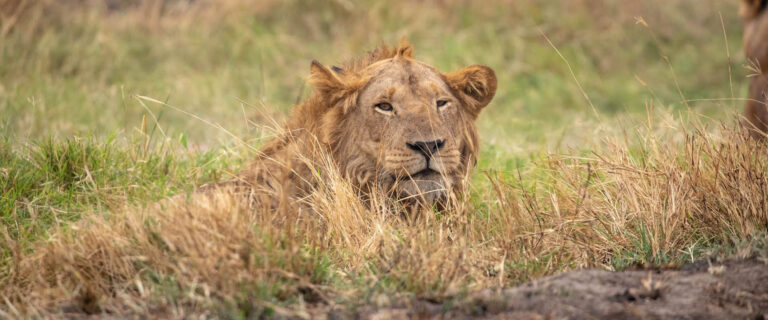
Combine Ankole cultural experiences with wildlife viewing in Lake Mburo National Park. This pairing offers an opportunity to explore Banyankole heritage and cattle-keeping traditions alongside savannah wildlife, birdwatching and other authorised park activities.
Lake Mburo’s location along the southwestern Uganda travel corridor makes it a natural consideration for itineraries that include Mbarara and the surrounding countryside.
Ankole Region and Queen Elizabeth National Park
Travellers can combine Ankole Region with Queen Elizabeth National Park for a journey featuring cultural heritage and savannah wildlife.
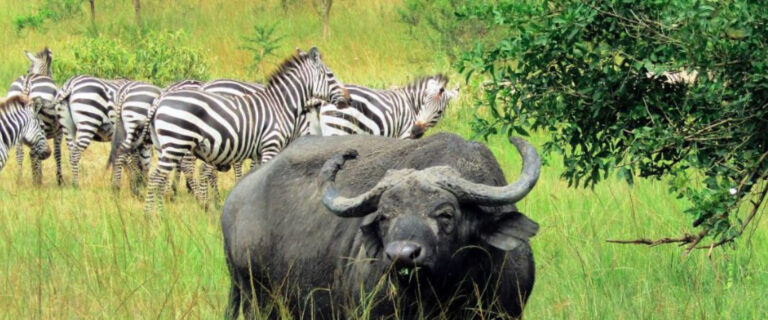
Queen Elizabeth offers opportunities for wildlife viewing and other park experiences, while Ankole introduces travellers to the pastoral and agricultural traditions of southwestern Uganda. The final route should account for the selected park sector, accommodation and travel time.
Ankole Region and Bwindi Impenetrable National Park
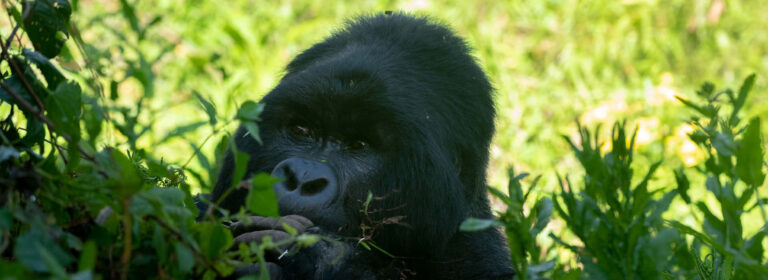
Ankole can be incorporated into a longer journey towards Bwindi Impenetrable National Park. This combination brings together cultural exploration, Ankole’s rolling countryside and mountain gorilla trekking in southwestern Uganda. The route should be planned around the confirmed gorilla trekking sector, permit arrangements and accommodation location.
Ankole Region and Other Western Uganda Destinations
Travellers with additional time can extend their journey to other destinations across western and southwestern Uganda. Possible combinations include cultural experiences in neighbouring regions, scenic lakes, forest destinations and longer wildlife itineraries.
The final sequence should balance travel distances, accommodation availability and opportunities to explore each destination at a comfortable pace.
Responsible Travel in Ankole Region
Visiting Ankole Region offers an opportunity to experience southwestern Uganda’s cultural heritage while supporting communities that preserve traditional knowledge and livelihoods. Responsible tourism begins with respecting Banyankole customs, cultural identity and the importance of cattle keeping within the region’s history.
During cultural visits, follow your local guide’s instructions, seek permission before photographing people or private spaces, and respect restrictions around homes, farms and culturally sensitive locations. Choose locally led experiences that provide meaningful benefits to participating communities.
Cattle-farm visits require particular consideration for animal welfare and the daily activities of farmers. Avoid disturbing livestock, entering grazing areas without permission or interfering with milking and herding activities. Travellers should approach historical traditions and social identities with sensitivity, recognising the diversity of contemporary Banyankole communities.
When exploring rural landscapes, wetlands or natural habitats, avoid damaging vegetation, disturbing wildlife or leaving waste behind. Visitors combining Ankole with protected areas should follow the conservation guidance of the Uganda Wildlife Authority. For broader destination information and tourism guidance, consult the Uganda Tourism Board.
By travelling thoughtfully, visitors can contribute to cultural preservation, responsible livestock tourism and sustainable community livelihoods.
Frequently Asked Questions About Ankole Region
Ankole Region is located in southwestern Uganda, with Mbarara serving as a principal urban and transport centre. The region is associated with the historical Ankole Kingdom and the cultural heritage of the Banyankole people.
Ankole Region is particularly known for its long-horned cattle, Banyankole cultural traditions, pastoral heritage, rolling hills and the city of Mbarara. It is also associated with historical landmarks and cultural attractions such as Igongo Cultural Centre.
Popular experiences include visiting Igongo Cultural Centre, exploring Mbarara, learning about Ankole long-horned cattle, discovering traditional food and visiting historical sites around Biharwe. Guided countryside excursions and cultural encounters can also complement a visit.
Ankole cattle are recognised for their exceptionally large, distinctive horns and their historical importance to pastoral communities. They have long held economic, social and cultural significance in Ankole and remain an important symbol of regional heritage.
Igongo Cultural Centre is a cultural attraction near Mbarara associated with the history and traditions of southwestern Uganda. It provides opportunities to learn about regional heritage, traditional lifestyles and cultural artefacts. Current visitor facilities and exhibition arrangements should be confirmed before travel.
Biharwe is associated with historical traditions surrounding a solar eclipse and the history of regional kingdoms. The Biharwe Eclipse Monument commemorates this heritage. Visitors can learn about these traditions through guided historical interpretation.
One or two days can provide an introduction to Mbarara, Igongo Cultural Centre and selected cattle or countryside experiences. Travellers interested in more extensive community visits or a slower-paced cultural journey may benefit from additional time.
Ankole Region can be explored throughout the year. The relatively drier months, particularly June to August and December to February, are often convenient for road travel and outdoor cultural activities. The wetter periods bring greener countryside and changing agricultural landscapes.
Mbarara is a practical accommodation base for visitors interested in cultural attractions and nearby countryside experiences. Selected properties outside the city may suit travellers seeking quieter surroundings. Accommodation around Lake Mburo can also complement a wider safari itinerary.
Most travellers reach Ankole Region by road from Kampala towards Mbarara. Travel time depends on traffic, road conditions and stops along the route. Private transport can be arranged as part of a longer western Uganda safari.
Yes. Ankole Region can be combined with Lake Mburo National Park to create a journey featuring cultural heritage, long-horned cattle experiences and savannah wildlife. The route should be planned around accommodation, selected activities and available time.
Yes. Ankole Region can form part of a longer safari that includes Bwindi Impenetrable National Park for mountain gorilla trekking or Queen Elizabeth National Park for savannah wildlife experiences. The best route depends on travel time, accommodation and confirmed activity arrangements.
Plan Your Visit to Ankole Region
Plan your visit to Ankole Region by choosing the cultural experiences, historical landmarks and scenic attractions that interest you most. From Ankole long-horned cattle and Banyankole traditions to Igongo Cultural Centre, Mbarara and the surrounding countryside, the region offers an opportunity to explore a distinctive part of Uganda’s heritage.
Njagi Safaris can help organise a private Uganda journey that combines Ankole cultural experiences with wildlife destinations such as Lake Mburo National Park, Queen Elizabeth National Park and Bwindi Impenetrable National Park.
Share your preferred travel dates, group size, accommodation preferences and interests through the enquiry form below. Our team will help you plan a practical itinerary that respects local cultural arrangements and fits your wider safari plans.