How Many Days for a Rwanda Safari? For most first-time visitors, five to seven days provides a rewarding balance of mountain gorilla trekking, scenic exploration and selected wildlife or cultural experiences. Three to four days can accommodate a focused gorilla safari, while eight to twelve days allows travellers to explore more of Rwanda’s national parks at a comfortable pace.
Although Rwanda is relatively compact, its major attractions are spread across different regions. Volcanoes National Park lies in the northwest, Nyungwe National Park in the southwest and Akagera National Park in the east. Travelling between these destinations requires careful planning, particularly when an itinerary includes scheduled primate tracking activities.
The Ideal Rwanda Safari Duration therefore depends on your interests, arrival and departure arrangements, preferred accommodation standards and the amount of time you wish to spend in each destination. At Njagi Safaris, we design private and tailor-made journeys that balance meaningful experiences with realistic travel schedules, allowing visitors to discover Rwanda without unnecessary rushing.
How Many Days Do You Need for a Rwanda Safari?
If you are wondering How Many Days Do You Need in Rwanda, the answer begins with identifying your principal travel interests. A short visit may concentrate on gorilla trekking in Volcanoes National Park, with time for Kigali or a nearby cultural experience. A longer journey can introduce savannah wildlife in Akagera, chimpanzees in Nyungwe, lakeside relaxation at Lake Kivu and additional opportunities to explore Rwanda’s heritage.
For travellers primarily interested in mountain gorillas, three or four days may be sufficient. Five to seven days offers greater flexibility, while eight to ten days is generally more appropriate for combining all three principal national parks.
The most rewarding itinerary is not necessarily the one covering the greatest number of destinations. Allowing sufficient time for wildlife activities, transfers and rest often produces a more enjoyable experience than attempting to visit every attraction within a limited schedule.
Rwanda Safari Duration at a Glance
Choosing How Long to Spend in Rwanda becomes easier when comparing the experiences that can realistically fit within different travel periods.
Two to Three Days: A Short Rwanda Introduction
Two days is more suitable for Kigali and nearby experiences than for a conventional gorilla safari. Three days can accommodate one gorilla trek when arrival times, accommodation and park arrangements align. This option suits travellers with limited time but provides little flexibility for additional destinations.
Four to Five Days: A Focused Primate Safari
Four or five days allows travellers to combine gorilla trekking with golden monkey tracking, cultural activities or selected scenic experiences. A 5 Day Rwanda Safari can also introduce a second destination, although the available time will depend on the chosen route.
Six to Seven Days: A Balanced Rwanda Journey
Six or seven days provides more flexibility to combine Volcanoes National Park with Akagera, Nyungwe or Lake Kivu. A 7 Day Rwanda Safari is particularly suitable for travellers who want a meaningful introduction to Rwanda without spending most of their holiday moving between destinations.
Eight to Ten Days: A Broader Wildlife Experience
Eight to ten days allows more ambitious combinations of national parks and cultural attractions. A 10 Day Rwanda Safari can include gorilla trekking, chimpanzee tracking and savannah wildlife viewing, provided transfers and activity schedules are arranged carefully.
Eleven to Fourteen Days: Comprehensive Exploration
Longer journeys provide time to explore Rwanda’s national parks, Lake Kivu, Kigali and selected cultural destinations at a more relaxed pace. These itineraries are particularly suitable for photographers, birdwatchers, nature enthusiasts and travellers who prefer fewer rushed transfers.
Can You Experience Rwanda in 2 or 3 Days?
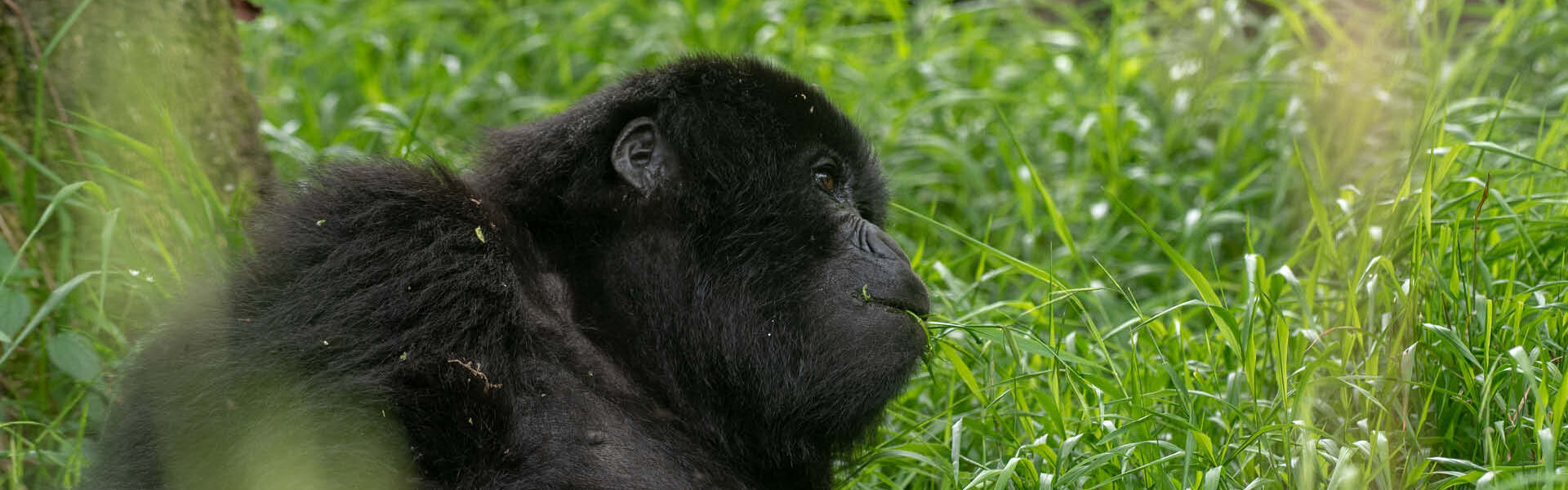
A Rwanda Safari Itinerary 3 Days is possible, but it should concentrate on one principal experience rather than several distant destinations. For many short-stay visitors, gorilla trekking in Volcanoes National Park is the priority because the park can be reached by road from Kigali.
Two Days in Rwanda: Kigali and Nearby Experiences
A two-day visit can provide an introduction to Kigali’s cultural attractions, museums, heritage sites and contemporary city life. Travellers may also include selected experiences outside the capital, depending on their arrival and departure times. However, two days generally leaves little margin for a comfortable gorilla trekking itinerary, particularly when international flights are involved.
Three Days in Rwanda: A Gorilla Trekking Itinerary
A practical three-day programme may follow this arrangement:
- Day 1: Arrive in Kigali and transfer to accommodation near Volcanoes National Park.
- Day 2: Undertake gorilla trekking with authorised park guides, followed by time to rest.
- Day 3: Return to Kigali for departure or a selected cultural visit, depending on flight arrangements.
This itinerary assumes suitable arrival times and confirmed trekking permits.
Who Should Choose a Short Rwanda Safari?
Short safaris are suitable for travellers with limited leave, those visiting Rwanda as part of a wider African journey and visitors primarily interested in one gorilla encounter. They are less suitable for travellers wishing to combine several national parks or enjoy a slower pace.
Is a 4 or 5-Day Rwanda Safari Enough?
A 4 Day Rwanda Safari or five-day itinerary provides a more comfortable introduction to Rwanda than a very short gorilla-focused visit. The additional time can support golden monkey tracking, cultural experiences, scenic excursions or a short stay at Lake Kivu.
Four Days: Gorillas, Golden Monkeys and Musanze
A four-day itinerary can begin with arrival in Kigali and transfer to Volcanoes National Park. The following days may include gorilla trekking, golden monkey tracking and a cultural or conservation-related experience in the Musanze region. The final day allows the return journey to Kigali. This arrangement is particularly suitable for travellers interested in Rwanda’s mountain primates.
Five Days: Gorillas and Lake Kivu
A five-day journey can combine Volcanoes National Park with Lake Kivu. Travellers may spend the first part of the safari exploring the Virunga region before continuing to the lakeshore for scenic relaxation, a suitable boat excursion or selected cultural activities. The additional overnight stay reduces pressure on the itinerary and provides a contrast between forest trekking and lakeside scenery.
Can Five Days Include Two National Parks?
Yes, a carefully designed five-day itinerary may combine Volcanoes National Park with Akagera National Park. However, this generally requires a focused programme with limited additional activities. Combining Volcanoes and Nyungwe within five days is also possible in certain arrangements, but the longer transfer and scheduled tracking activities can make the journey demanding. For a more comfortable two-park safari, six or seven days is often preferable.
Why Choose a 6 or 7-Day Rwanda Safari?
A 6 Day Rwanda Safari or seven-day itinerary provides a useful balance between wildlife activities, scenic travel and relaxation. This duration is particularly attractive to first-time visitors who want to experience more than gorilla trekking without committing to a lengthy expedition.
Six Days: Gorilla Trekking and Savannah Wildlife
A six-day itinerary can combine Volcanoes National Park and Akagera National Park, with Kigali serving as an arrival, departure or overnight point. Travellers can enjoy a gorilla trek in the Virunga highlands before exploring Akagera’s savannah, woodland and wetland habitats. A carefully planned programme may include game drives and a boat excursion, subject to park arrangements.
Seven Days: Primates and Lake Kivu
A seven-day itinerary can combine Volcanoes National Park, Lake Kivu and Nyungwe National Park. This route may include gorilla trekking, scenic lakeside travel and chimpanzee tracking. It offers a varied introduction to Rwanda’s western landscapes, although transfer times and activity schedules still require careful coordination.
Why Seven Days Works for Many First-Time Visitors
Seven days allows more time for meaningful activities without the pressure associated with a very short itinerary. Travellers can enjoy selected experiences in greater depth, spend additional time at their preferred lodges and accommodate reasonable breaks between transfers. For many visitors, this makes one week a practical starting point for a Rwanda Safari for First-Time Visitors.
What Can You See in 8 to 10 Days in Rwanda?
An eight-to-ten-day itinerary provides greater flexibility to combine Rwanda’s principal wildlife environments. Travellers can explore mountain forests, savannah landscapes and selected cultural destinations while allowing more time for transfers and outdoor activities.
Eight Days: Gorillas, Chimpanzees and Scenic Landscapes
An eight-day journey may combine Volcanoes National Park, Lake Kivu and Nyungwe National Park. Possible experiences include gorilla trekking, golden monkey tracking, chimpanzee tracking, forest walks and scenic lakeside exploration. This is a suitable option for travellers whose main interests are primates and rainforest environments.
Nine Days: Gorillas and Akagera Wildlife
A nine-day itinerary can combine Volcanoes National Park, Akagera National Park and selected cultural or scenic experiences. Travellers may allocate additional time for game drives, a Lake Ihema boat excursion and activities around Musanze. Alternatively, a nine-day journey can prioritise Volcanoes and Nyungwe with more time for forest experiences.
Ten Days: Rwanda’s Three Principal National Parks
A 10 Day Rwanda Safari can combine Volcanoes, Nyungwe and Akagera national parks. An illustrative allocation is:
- Days 1–2: Arrival in Kigali and Akagera National Park.
- Day 3: Additional wildlife viewing in Akagera and return towards Kigali.
- Days 4–5: Travel to Volcanoes National Park and gorilla trekking.
- Day 6: Golden monkey tracking or another selected experience in the Virunga region.
- Day 7: Transfer towards Nyungwe, with scenic stops where practical.
- Days 8–9: Chimpanzee tracking and selected forest experiences.
- Day 10: Return to Kigali for departure, subject to flight timing.
This programme requires careful coordination and may involve long travel days. Travellers seeking a slower pace should consider additional nights.
Is an 11 to 14-Day Rwanda Safari Worth It?
An extended Rwanda Safari Itinerary is particularly rewarding for travellers who value time in nature, photography, birdwatching, cultural exploration and a relaxed travel pace. Rather than simply adding more destinations, longer journeys allow visitors to experience selected locations more thoroughly.
Eleven to Twelve Days: Rwanda’s Wildlife and Landscapes
Eleven or twelve days provides time for Volcanoes, Nyungwe and Akagera national parks, with selected visits to Kigali and Lake Kivu. Travellers can allocate additional nights to wildlife photography, forest walks, boat excursions or cultural activities. The longer duration also provides greater flexibility around transfers and scheduled park experiences.
Thirteen to Fourteen Days: A Slower Rwanda Safari
Two weeks allows a more comprehensive exploration of Rwanda. A journey can include all three principal national parks, lakeside relaxation, community-based cultural experiences and selected scenic routes. Birdwatchers and photographers may benefit from additional time in particular habitats rather than attempting to cover every destination equally.
Who Benefits Most from a Longer Safari?
Longer safaris are suitable for returning visitors, specialist nature travellers, couples seeking a relaxed holiday and guests interested in meaningful cultural encounters. They also appeal to travellers who prefer several nights at each destination and fewer consecutive days of driving.
How Many Days Do You Need for Each Rwanda National Park?
A practical Rwanda National Parks Itinerary should allocate enough time for the activities available in each destination. Although the parks can be combined, their landscapes, wildlife and travel arrangements differ considerably.
Volcanoes National Park: Two to Three Nights
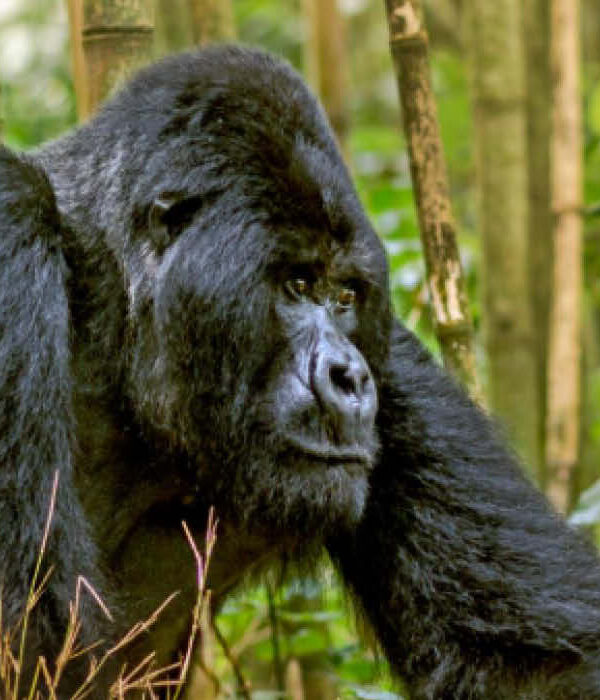
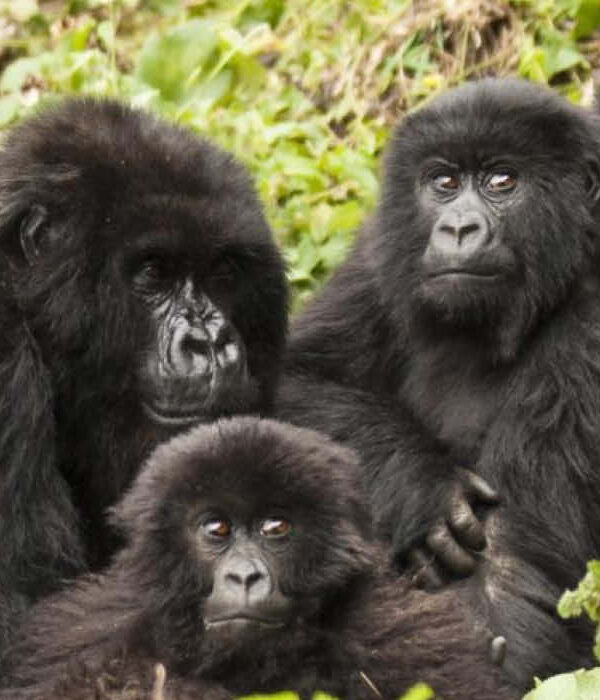
Two or three nights near Volcanoes National Park is a practical allocation for travellers planning gorilla trekking and another activity. A shorter stay may accommodate one gorilla trek, while additional nights allow golden monkey tracking, cultural experiences or selected hiking activities. The appropriate duration depends on permit availability and the visitor’s interests.
Nyungwe National Park: Two to Three Nights
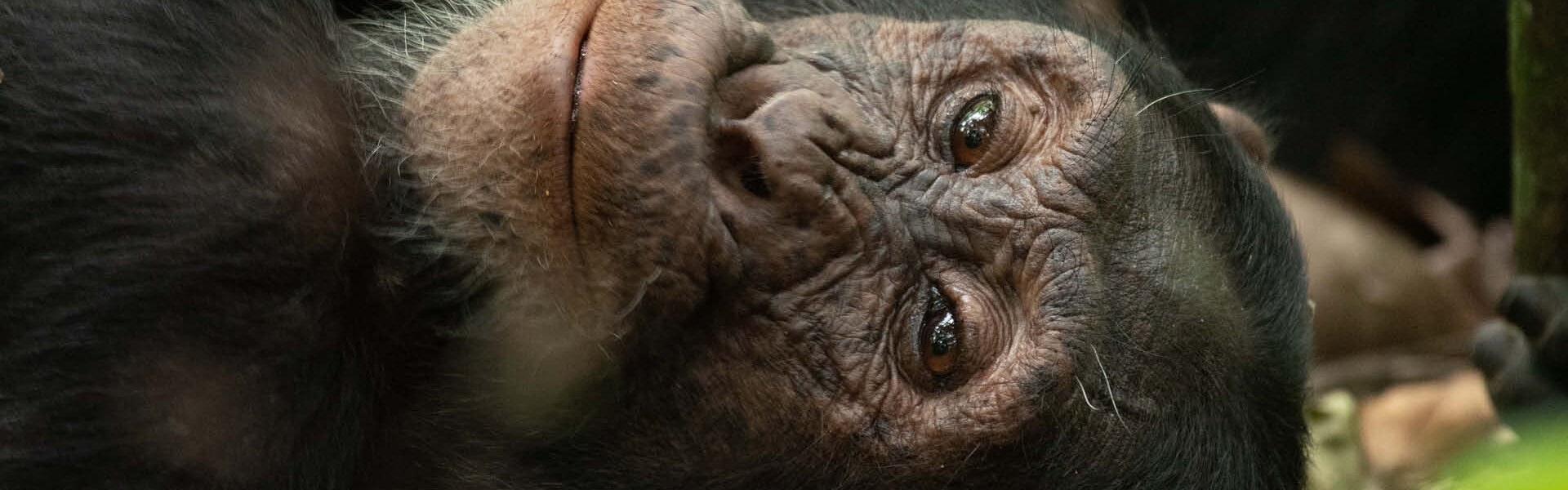
Two or three nights in the Nyungwe region can support chimpanzee tracking and another forest activity. Travellers interested in birdwatching, canopy experiences or longer forest walks may prefer additional time. Nyungwe’s location and scheduled activities should be considered when planning transfers.
Akagera National Park: Two to Three Nights
Two nights in Akagera provides an opportunity for multiple game drives and selected additional activities. Three nights can be particularly rewarding for wildlife enthusiasts, photographers and birdwatchers who prefer more time in the park. Wildlife sightings depend on animal movements, weather and local conditions.
Lake Kivu: One to Three Nights
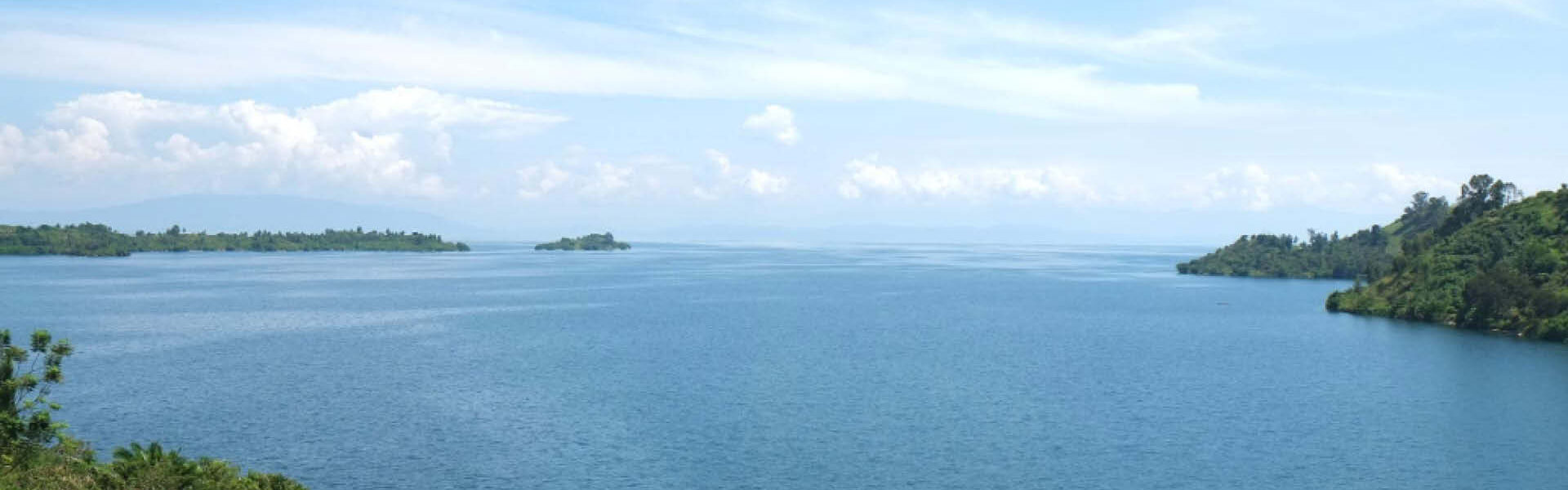
Lake Kivu provides a scenic contrast to Rwanda’s national parks. One night can serve as a short stop between destinations, while two or three nights allows more time for relaxation, cultural visits and suitable lakeside activities. The ideal duration depends on the chosen lakeshore location and onward route.
Kigali: One to Two Nights
Kigali is an important arrival and departure point and offers cultural, historical and contemporary urban experiences. One night may be sufficient for travellers using the city primarily as a gateway. Two nights allows greater flexibility for museums, memorial visits, art galleries and selected city experiences.
How Travel Distances Affect Your Rwanda Safari Itinerary
Rwanda Safari Travel Times are an important consideration when deciding how many days to allocate to a journey. Although Rwanda is relatively small, its winding roads, mountainous terrain and the geographical separation of its national parks mean that transfers can occupy substantial portions of a day.
Kigali to Volcanoes National Park
The drive from Kigali to the Musanze area commonly takes approximately two and a half to three hours, depending on the starting point, road conditions and stops. This makes Volcanoes National Park relatively accessible for short gorilla-focused safaris.
Kigali to Akagera National Park
Travelling from Kigali to Akagera commonly requires approximately two and a half to three hours or more, depending on the park entrance and selected accommodation. Additional driving time may be required within the park.
Kigali to Nyungwe National Park
Nyungwe is considerably farther from Kigali than Volcanoes or Akagera. The journey commonly takes around five to seven hours or longer, depending on the route, accommodation location and stops. Travellers should avoid assuming that Nyungwe can be comfortably included as a brief excursion from Kigali.
Transfers Between National Parks
Transfers between Volcanoes, Nyungwe and Akagera require careful route planning. Some journeys involve passing through or near Kigali, while western routes may incorporate Lake Kivu. Travellers should allow time for scenic roads, rest stops and scheduled activities rather than treating transfer days as full sightseeing days.
How Many Days for Gorilla Trekking and Other Safari Experiences?
The required Rwanda Gorilla Safari Duration depends on the number of activities being combined with the trek. Gorilla trekking itself is normally scheduled as one principal activity day, but a comfortable itinerary also needs to account for arrival, transfers, overnight accommodation and departure.
Gorilla Trekking in Volcanoes National Park
A Rwanda Gorilla Trekking Itinerary generally requires at least three days when travelling through Kigali. This allows an arrival and transfer day, a dedicated trekking day and a return journey. Additional nights are useful when combining gorilla trekking with other experiences.
Golden Monkey Tracking
Golden monkey tracking can be added as another scheduled activity in the Volcanoes National Park region. Travellers should normally allow a separate activity period rather than assuming it can be combined with gorilla trekking on the same morning.
Chimpanzee Tracking in Nyungwe
Chimpanzee tracking requires time to reach the Nyungwe region and participate in an organised forest excursion. Visitors combining chimpanzees with gorilla trekking should account for the considerable distance between the two parks.
Game Drives in Akagera
A Rwanda Wildlife Safari Itinerary can include morning and afternoon game drives in Akagera. Two or more nights generally provide more flexibility for wildlife viewing than a brief visit.
Birdwatching and Cultural Experiences
Specialist birdwatching, cultural encounters and photography activities may require additional time, particularly when visiting several locations. Travellers interested in these experiences should prioritise meaningful visits rather than adding numerous short stops to an already busy itinerary.
How Safari Duration Affects Your Travel Costs
The length of a safari influences accommodation, private transport, guiding, meals and the number of activities included. However, a longer itinerary does not always produce a proportionate increase in total cost because certain expenses, such as gorilla trekking permits, may apply only once.
Accommodation and Number of Nights
Accommodation costs generally increase with the number of nights included. The overall amount also depends on the selected lodge, travel season, room category and accommodation collection. Travellers can balance comfort and expenditure by choosing suitable properties for each destination.
Gorilla and Chimpanzee Permits
Primate tracking permits can represent a substantial portion of the safari budget. Their costs depend on the applicable official rates and eligibility conditions, rather than simply the length of the itinerary. Permit availability should be confirmed before finalising travel arrangements.
Private Transport and Guiding
Longer itineraries generally involve additional vehicle and guiding days. Routes covering distant national parks may also require more fuel and operational time. Efficient itinerary design can help reduce unnecessary transfers without compromising the experience.
Short Versus Long Safari Value
A short gorilla safari may have a relatively high daily cost because permit and transport expenses are concentrated within a few days. A longer journey spreads some fixed expenses across more experiences, although the overall cost will usually be higher. The best value depends on the traveller’s priorities, not simply the lowest price per day.
Choosing the Right Rwanda Safari Duration for Your Travel Style
The Rwanda Private Safari Itinerary that works best for one traveller may not suit another. Choosing the right duration involves considering travel interests, physical comfort, preferred accommodation and the pace at which you wish to explore. Rwanda offers opportunities for short primate-focused journeys, extended wildlife safaris and personalised experiences that combine nature, culture and relaxation.
First-Time Rwanda Safari Travellers
Five to seven days is a practical starting point for many first-time visitors. This allows time for gorilla trekking and selected additional experiences without making the itinerary unnecessarily demanding. Travellers can combine Volcanoes National Park with Lake Kivu, Kigali or another suitable destination, depending on their interests and available travel time.
Gorilla and Primate Enthusiasts
Travellers primarily interested in gorillas and golden monkeys may find four or five days sufficient for a focused primate safari in Volcanoes National Park. Those wishing to include chimpanzee tracking in Nyungwe should consider a longer itinerary because of the additional travel involved and the time required for scheduled forest activities.
Wildlife and Birdwatching Travellers
Wildlife enthusiasts may prefer eight to twelve days, particularly when combining Akagera National Park with Rwanda’s forest destinations. Specialist birdwatchers often benefit from spending additional time in selected habitats, allowing opportunities to observe different species without rushing between locations. Longer stays can also accommodate more game drives and nature walks.
Couples and Luxury Safari Travellers
Couples and travellers seeking refined accommodation may prefer fewer destinations with longer stays. Five to eight days can provide a rewarding balance of wildlife activities, scenic relaxation and personalised experiences. Private journeys can incorporate carefully selected lodges, flexible activity schedules and time to enjoy Rwanda’s landscapes beyond the principal national parks.
Families and Multi-Generational Travellers
Family itineraries should consider the ages of participants, permitted activities, mobility requirements and preferred travel pace. Additional nights can reduce long transfer days and allow suitable activities for different family members. A carefully planned private safari can combine wildlife experiences, cultural visits and relaxation while respecting individual comfort and interests.
Njagi Safaris Travel Styles in Rwanda
Choosing the right Rwanda Safari Duration also depends on how you prefer to travel. Njagi Safaris offers different approaches to exploring Rwanda, allowing travellers to balance wildlife experiences, accommodation preferences, privacy and the pace of their journey.
Our Private Safaris in Rwanda provide personalised journeys with dedicated arrangements, while Tailor-Made Safaris in Rwanda allow itineraries to be developed around individual interests, travel dates and preferred destinations. Couples planning a honeymoon may prefer additional nights at selected lodges, while families may benefit from flexible schedules, suitable activities and fewer long-distance transfers. Fly-in arrangements can also be considered where practical and available, particularly when reducing travel time is a priority.
Explore our Travel Styles collection to discover the different ways of travelling with Njagi Safaris and identify an approach that suits your preferred Rwanda safari duration.
Can You Combine Rwanda and Uganda in One Safari?
Yes. Rwanda and Uganda offer complementary wildlife, primate, cultural and scenic experiences, and cross-border itineraries can be developed when travel conditions and entry requirements permit. However, the appropriate Rwanda and Uganda Safari Duration depends on the destinations included and the time required for border procedures and road transfers.
Five to Seven Days: A Focused Cross-Border Journey
A shorter combined itinerary may concentrate on Kigali, Volcanoes National Park and selected destinations in southwestern Uganda. Such journeys require careful planning and may leave limited time for additional wildlife experiences.
Eight to Twelve Days: A Broader Uganda and Rwanda Safari
A longer itinerary can include primate experiences, wildlife viewing and selected scenic destinations in both countries. Travellers should allocate sufficient time for transfers, permits and the activities that matter most to them.
Travellers interested in extending their journey across the border can explore our How Many Days for a Uganda Safari? guide. It explains the time required to visit Bwindi, Kibale, Queen Elizabeth, Murchison Falls and other destinations, helping travellers plan a realistic itinerary that combines Uganda and Rwanda.
Travel Advisories and Cross-Border Planning
Travellers should review current government travel advisories, entry requirements and applicable health guidance before planning a cross-border journey. Conditions and official recommendations can change, and arrangements should be assessed according to each traveller’s nationality and circumstances. Njagi Safaris can discuss suitable itinerary options based on the prevailing travel conditions and the destinations under consideration.
When Is the Best Time to Plan Your Rwanda Safari?
Rwanda offers travel opportunities throughout the year, although seasonal weather can influence trekking conditions, wildlife viewing and road transfers. The Best Time to Visit Rwanda depends on the activities included in your itinerary and your preferred travel conditions.
Planning During the Relatively Dry Seasons
June to September and December to February are generally favourable for forest trekking, hiking and game drives. These periods can also attract stronger demand for accommodation and gorilla permits.
Planning During the Wetter Seasons
March to May and October to November generally experience increased rainfall. The forests and landscapes become particularly green, while certain activities may involve wetter trails and more flexible scheduling.
Matching Safari Duration with the Season
Short itineraries may benefit from relatively favourable weather because there is limited time to accommodate unexpected changes. Longer journeys offer greater flexibility to adjust the pace and combine activities across destinations. For detailed seasonal guidance, explore our Best Time to Visit Rwanda travel guide.
Practical Considerations Before Choosing Your Safari Length
A well-planned Rwanda Safari Itinerary should balance the number of destinations with available time, activity arrangements and personal comfort. These considerations are particularly important for travellers combining forest trekking, game drives and long-distance transfers.
Arrival and Departure Flight Times
International flight schedules can affect the activities available on the first and final days of your safari. Late arrivals or early departures may require an additional overnight stay in Kigali. Travellers should also allow sufficient time for airport procedures and transfers, particularly when their itinerary includes destinations outside the capital.
Gorilla and Chimpanzee Permit Availability
Gorilla and chimpanzee tracking permits are limited and should be confirmed before finalising your Rwanda Safari Itinerary. Travellers with fixed dates may need to adjust the order of destinations according to permit availability. Booking arrangements well in advance is particularly important during popular travel periods when demand for primate experiences can be high.
Physical Fitness and Travel Comfort
Gorilla trekking, chimpanzee tracking and mountain hiking may involve uneven terrain, steep slopes and physically demanding conditions. Travellers should select activities and travel schedules appropriate to their fitness and mobility requirements. Allowing sufficient time between demanding activities can also improve comfort, particularly for older travellers and those preferring a relaxed safari pace.
Accommodation and Travel Pace
Spending additional nights at selected destinations can provide a more relaxed safari experience and reduce the pressure of frequent transfers. Private itineraries allow accommodation standards, activity schedules and travel arrangements to be adapted to individual preferences. Choosing well-located lodges can also help minimise unnecessary driving and maximise time available for wildlife experiences.
Responsible Travel and Local Considerations
Visitors should follow national park regulations, respect wildlife and observe the guidance of authorised park personnel during trekking and game-viewing activities. Cultural experiences should be approached with respect for local communities, traditions and privacy. Choosing responsible tourism services and allowing sufficient time for meaningful encounters can contribute to more rewarding travel experiences.
Official Resources for Planning Your Rwanda Safari
Reliable Rwanda Safari Planning Guide information should be supported by current guidance from recognised national authorities. The following official resources can help travellers review tourism arrangements, national park information and destination requirements before departure.
Rwanda Development Board
The Rwanda Development Board (RDB) provides official information relating to tourism development and destination management in Rwanda. Its resources are useful when reviewing the country’s tourism framework and relevant institutional arrangements.
Visit Rwanda
Visit Rwanda is Rwanda’s official destination tourism platform. It provides information about national parks, wildlife experiences, cultural attractions and other activities that can help travellers decide which destinations to include in their itinerary.
Rwanda Directorate General of Immigration and Emigration
The Rwanda Directorate General of Immigration and Emigration provides official information about entry and visa arrangements. Travellers should check the requirements applicable to their nationality and intended travel dates before departure.
Frequently Asked Questions About Rwanda Safari Duration
Five to seven days is a practical duration for many first-time visitors. Three days may be sufficient for a focused gorilla trek, while eight to twelve days allows more extensive wildlife and primate experiences.
Yes. A three-day itinerary can include arrival in Kigali, transfer to Volcanoes National Park, one gorilla trek and return to Kigali. Suitable flight schedules and confirmed permits are essential.
Yes. Five days allows a more comfortable gorilla-focused itinerary with time for golden monkey tracking, cultural activities or selected scenic experiences.
It may be possible with carefully coordinated arrangements, but the distance between Volcanoes and Nyungwe national parks makes the itinerary demanding. Six or seven days generally provides greater flexibility.
Seven days offers a rewarding introduction to Rwanda, although it may not be sufficient to explore all three principal national parks comfortably. The best itinerary should prioritise selected experiences.
Approximately ten to twelve days is a practical starting point for combining Volcanoes, Nyungwe and Akagera national parks. Additional time is beneficial for a slower pace and more activities.
Yes, a two-day visit can introduce Kigali and selected nearby attractions. However, two days is generally too limited for a comfortable gorilla trekking safari when international travel is involved.
Two to three nights is a practical allocation for gorilla trekking and another selected activity. Additional time may be appropriate for hiking, photography or cultural experiences.
Two to three nights generally allows chimpanzee tracking and another forest activity. Birdwatchers and nature enthusiasts may prefer a longer stay.
Two to three nights provides time for game drives and selected additional activities. Longer stays are particularly useful for wildlife photography and birdwatching.
Longer itineraries usually involve additional accommodation, transport and guiding costs. However, the overall value depends on the experiences included and how fixed expenses are distributed across the journey.
A focused cross-border itinerary may be possible in one week, depending on destinations, permits and prevailing travel requirements. Travellers seeking several national parks should consider additional time.
Five to seven days is a practical starting point for many first-time visitors, while eight to ten days is more suitable for travellers who want to explore several national parks.
Explore Our Rwanda Safari Packages
Discover our collection of private and tailor-made Rwanda safari itineraries, designed around different travel durations, wildlife interests and accommodation preferences.
Our journeys can combine mountain gorilla trekking in Volcanoes National Park, chimpanzee tracking in Nyungwe, game drives in Akagera, scenic experiences around Lake Kivu and cultural exploration in Kigali. Each itinerary provides a starting point that can be adjusted to your preferred dates, available time and travel priorities.
Plan Your Rwanda Safari
Choosing How Many Days for a Rwanda Safari is an important step towards creating a journey that reflects your interests and expectations. At Njagi Safaris, we develop private itineraries that balance wildlife encounters, travel distances, accommodation preferences and the time available for each destination. From a short gorilla trekking journey to a comprehensive exploration of Rwanda’s national parks, our team can help you identify a suitable route and realistic travel schedule.
Share your preferred travel dates, number of travellers, intended duration and the experiences you wish to include. We will help you explore appropriate accommodation options, activity arrangements and safari costs.