How Can You Experience Nature in Uganda and Rwanda?
Nature Walks in Uganda and Rwanda
Forest Walks in Uganda and Rwanda
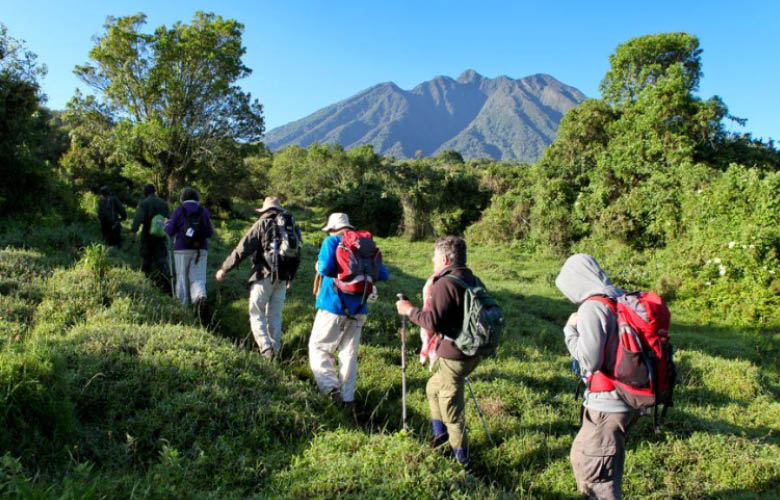
Hiking in Uganda and Rwanda
Canopy Walks in Uganda and Rwanda
Peak Climbing in Uganda and Rwanda
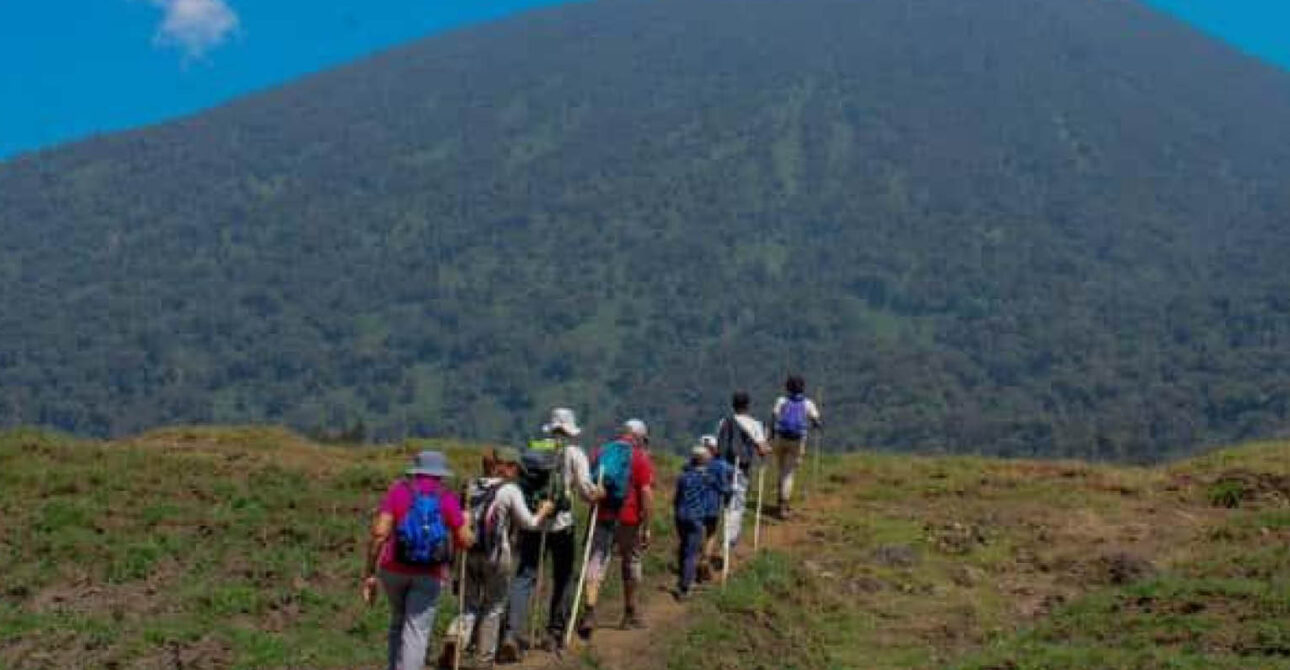
Volcano Hiking in Uganda and Rwanda
Nature Experiences in Uganda
Nature Experiences in Rwanda
Rwanda’s compact geography allows several nature experiences to be combined across forest, volcanic and lakeside landscapes. Nyungwe National Park in the southwest provides rainforest experiences, while Volcanoes National Park in the northwest is centred on the Virunga volcanic landscape. Lake Kivu adds another scenic environment in western Rwanda.
The experience changes with the destination. Nyungwe is suited to forest exploration, hiking, canopy experiences, birding and primate activities. The Volcanoes region provides mountain trails and volcanic landscapes alongside gorilla and golden monkey experiences. Around Lake Kivu, travellers can combine scenic exploration with outdoor activities and time around the lake.
This variety makes Rwanda particularly suitable for shorter itineraries where several landscapes and outdoor experiences need to fit into a relatively compact route.
Nyungwe National Park: Nyungwe is an extensive rainforest landscape known for its biodiversity, including primates, birds, orchids and butterflies. It provides a strong setting for forest-based nature experiences and hiking.
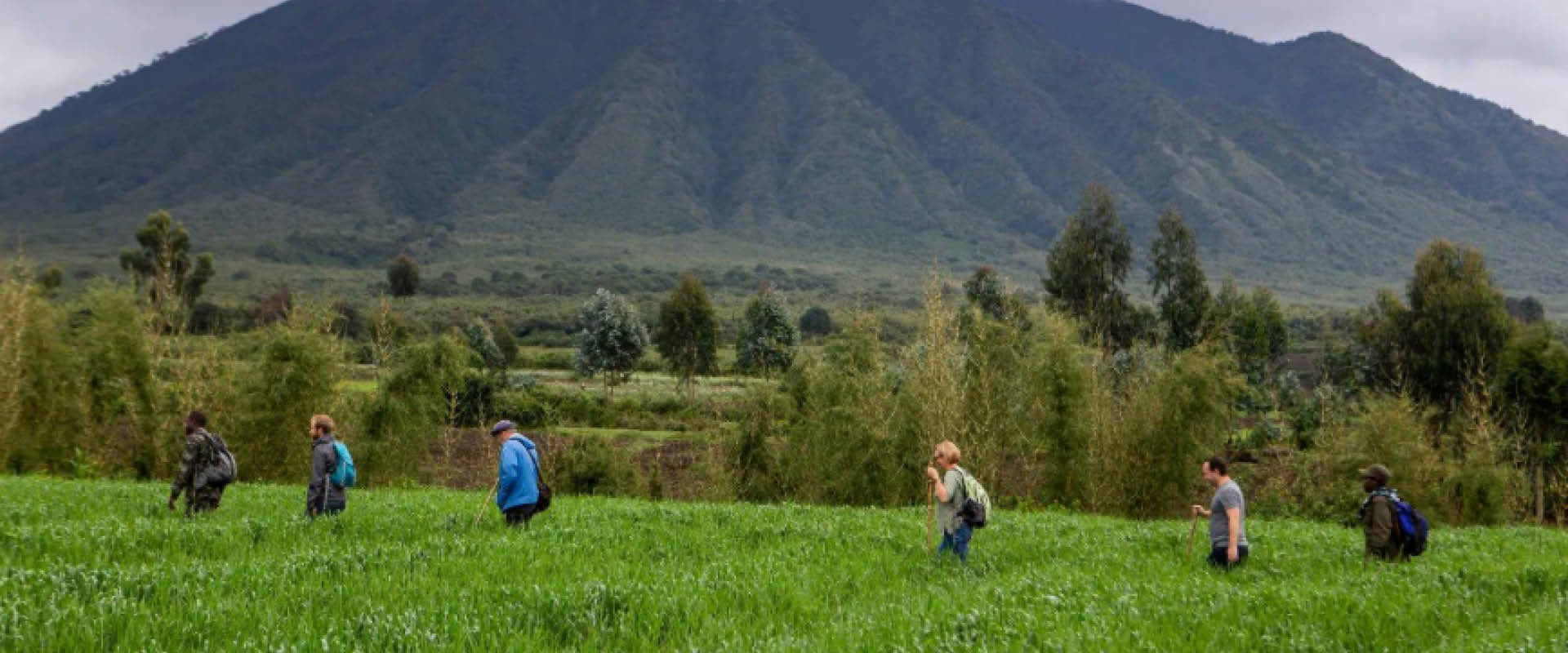
Volcanoes National Park: protects part of the Virunga Massif and includes volcanic mountains, montane forests and other highland habitats. Hiking is among the activities available in the area.
Lake Kivu: The Lake Kivu landscape provides a contrasting setting to Rwanda’s forests and volcanoes, with mountain scenery, lakeside environments and outdoor activities forming part of the wider western Rwanda experience.
Can You Combine Nature Experiences With Wildlife Safaris?
Can You Combine Nature Experiences With Gorilla Trekking and Chimpanzee Tracking?
Can Nature Experiences Be Combined With Birding and Cultural Experiences?
Nature experiences can form part of a wider itinerary that includes birding and cultural activities. Walking-based experiences are particularly useful for birders because moving slowly through different habitats creates opportunities to listen for calls and observe birds in their surroundings.
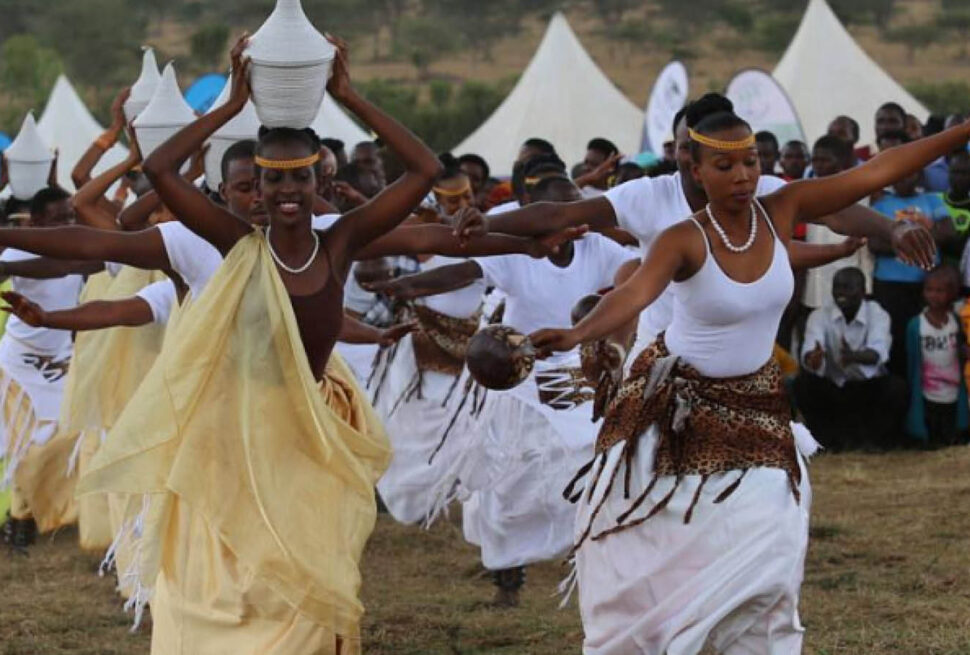
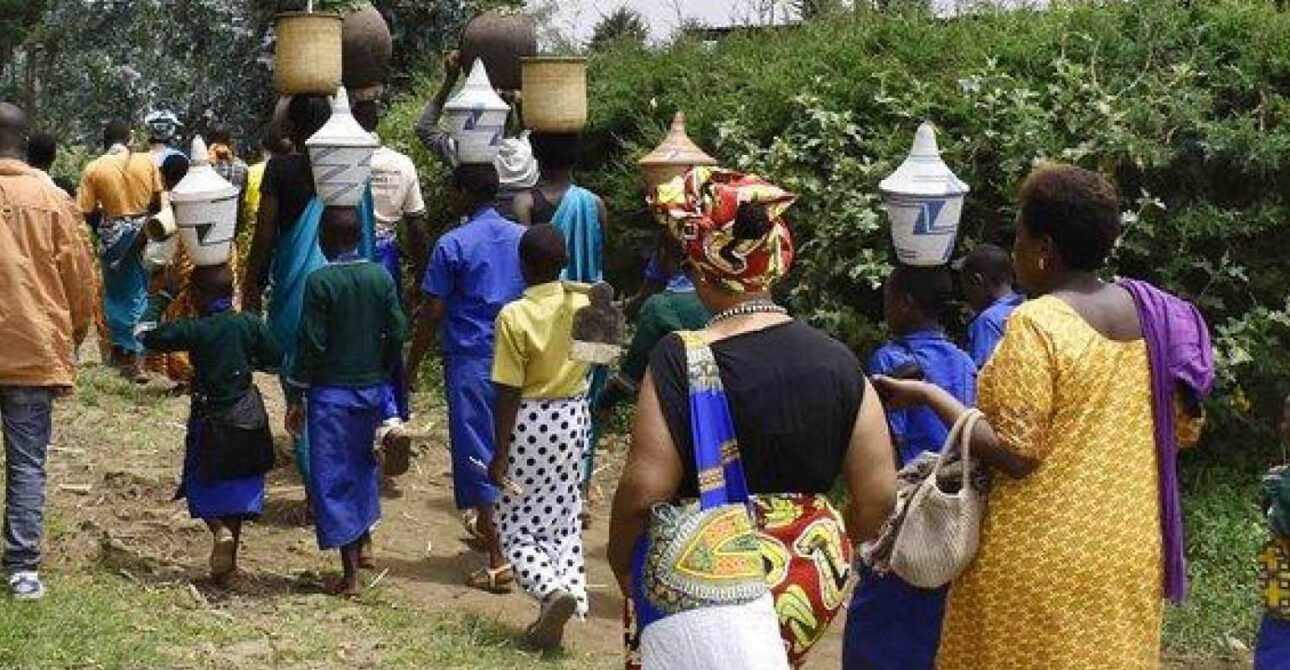
Cultural experiences can provide another dimension by connecting natural landscapes with local communities, livelihoods, traditions and interpretation. Visit Rwanda official tourism information presents nature, adventure and culture as complementary areas of visitor experience.
The combination should be planned around geography and available time. For example, a forest experience can be followed by a cultural visit in the surrounding area, while a mountain or wildlife itinerary can incorporate community experiences along the route.
Which Nature Experience Is Right for You?
What Should You Consider Before Choosing a Nature Experience?
Before selecting a nature experience, consider the destination, physical demands, duration, altitude, terrain and season. These factors can significantly change the character of an activity. A short nature walk and a multi-day mountain journey may both involve walking, but they require very different levels of preparation.
Also consider what you want to see and experience. Forest enthusiasts may prioritise biodiversity and primates, birders may prefer habitats with strong birding opportunities, while mountain travellers may be more interested in elevation, scenery and challenging terrain. Practical considerations also include footwear, rain protection, water, personal fitness and the availability of guides or permits. For activities within protected areas, travellers should confirm current access conditions, regulations and requirements before travelling.
What Is the Best Time for Nature Experiences?
The best time for nature experiences in Uganda and Rwanda depends on the destination and activity rather than one universal season. Rain can affect forest trails, mountain routes and walking conditions, while high-altitude destinations can have significantly different weather from lower-lying areas. For mountain activities, seasonal conditions can be particularly important. UWA notes that the Rwenzori Mountains experience substantial rainfall and recommends January and June–July as the best climbing periods.
For forest walks, nature walks and hiking, travellers can generally plan throughout the year, but should allow for changing trail conditions. The most suitable timing therefore depends on the specific experience, destination and wider safari itinerary. Also Read. Best Time to Visit Uganda for a Safari.
Responsible Tourism During Nature Experiences
Responsible nature tourism means enjoying natural environments while helping protect the landscapes, wildlife and communities connected to them. Travellers should stay on designated trails, avoid littering, refrain from removing plants or natural materials, and keep noise levels appropriate around wildlife.
Guides’ instructions and protected-area regulations should always be followed. Travellers should also avoid feeding or approaching wildlife and should respect local communities and cultural practices encountered along the route. In Uganda, the Uganda Wildlife Authority (UWA) emphasises wildlife and ecosystem conservation, community involvement and sustainable management of protected areas.
In Rwanda, the Rwanda Development Board (RDB) oversees tourism and conservation, with responsible tourism forming part of Rwanda’s approach to protecting natural heritage and supporting communities. Responsible behaviour helps maintain the quality of these natural environments while supporting conservation and positive relationships between tourism, communities and protected landscapes.
FAQs About Nature Experiences in Uganda and Rwanda
The six experiences covered in this guide are Nature Walks, Forest Walks, Hiking, Canopy Walks, Peak Climbing and Volcano Hiking. They range from relatively gentle walking and forest exploration to demanding mountain and summit experiences.
Yes. Several experiences can be combined when destinations and travel time allow. For example, a safari may include forest exploration, hiking, wildlife viewing and cultural activities. The itinerary should account for travel time, physical demands and the location of each activity.
Yes. The six experiences cover a broad range of physical demands. Nature walks and some forest experiences can be relatively gentle, while longer hikes, volcano routes and peak climbs may require substantially greater preparation.
Permit requirements depend on the specific activity, destination and protected area. Specialist experiences such as primate tracking and some mountain activities have particular access requirements. Confirm current requirements before travelling.
Yes. Nature experiences can be incorporated into wider Uganda and Rwanda itineraries alongside wildlife viewing, primate experiences, birding and cultural activities. The practical combination depends on the route, available time and activities selected.
Explore Nature Tours With Njagi Safaris
Plan Your Nature Experience
Choose the nature experience that best fits your interests, available time and preferred level of activity. Njagi Safaris can combine your chosen experiences with wildlife, primate, birding and cultural activities to create a practical private safari. Tell us what you would like to experience, your preferred travel dates, group size and accommodation preference. We can customise your Uganda or Rwanda safari around you.