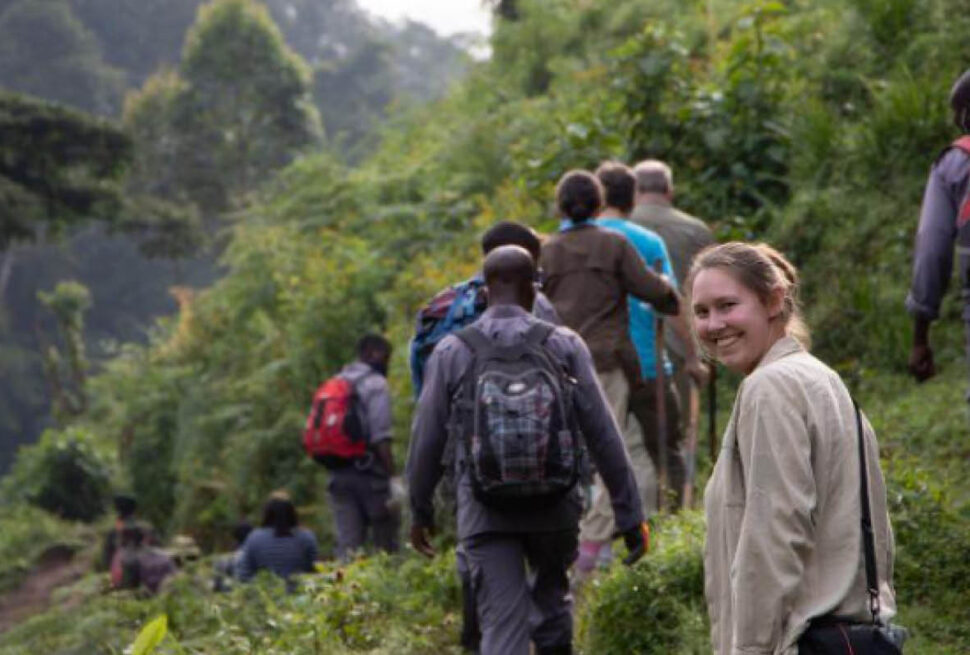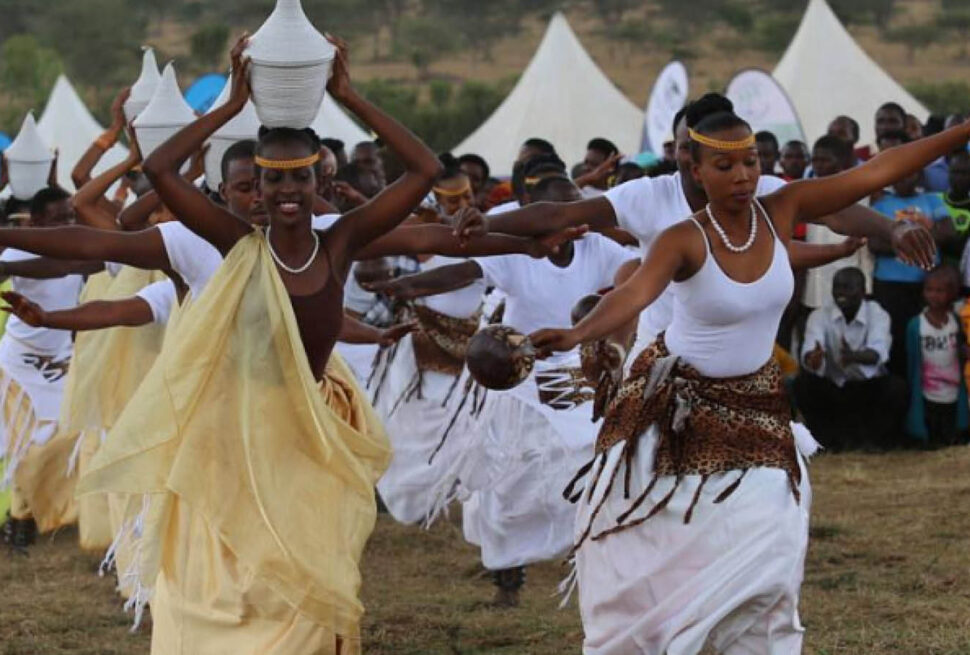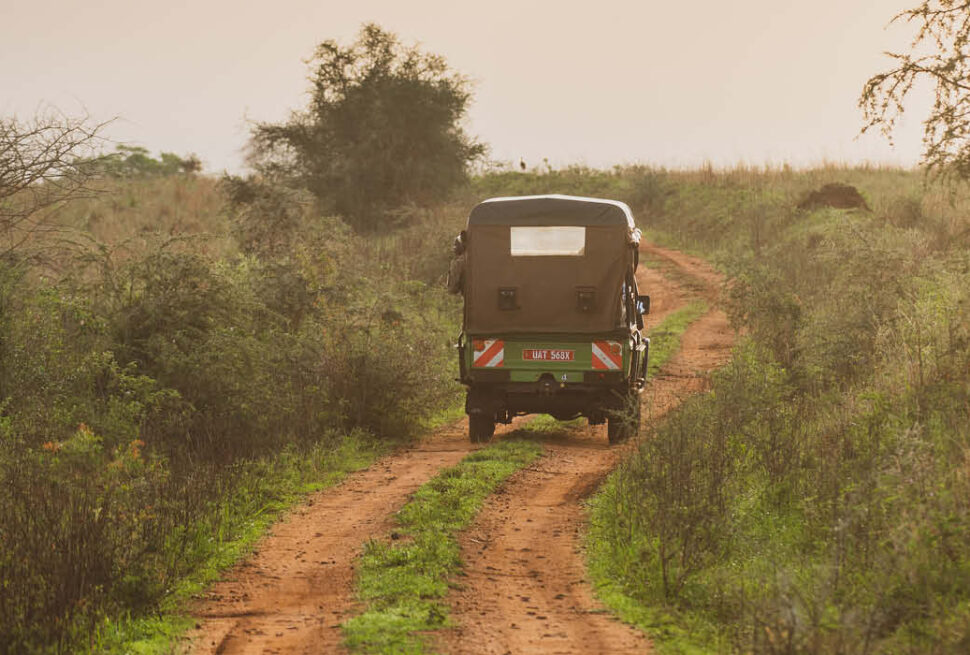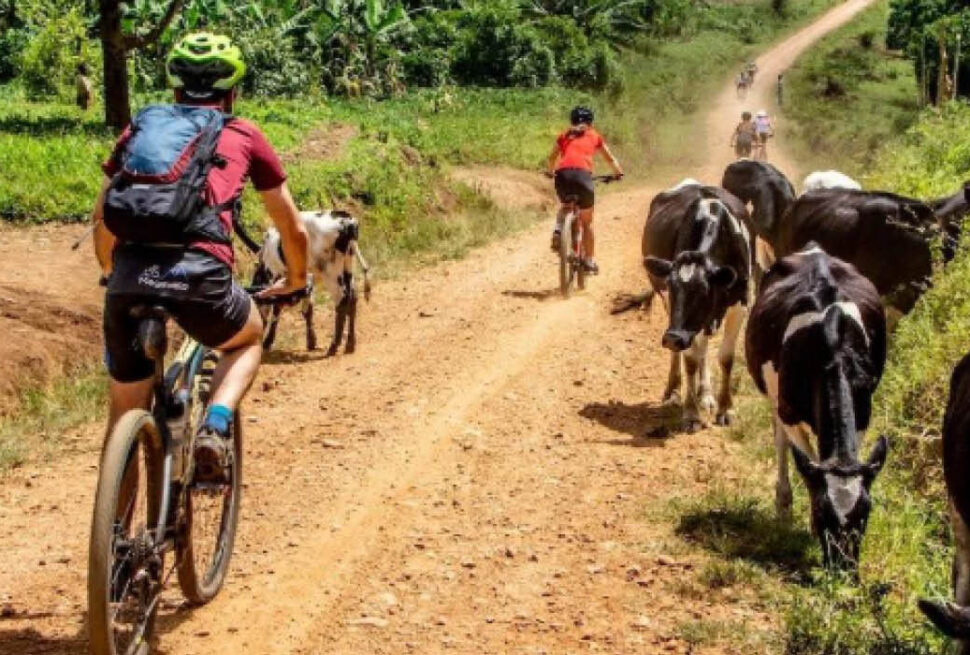
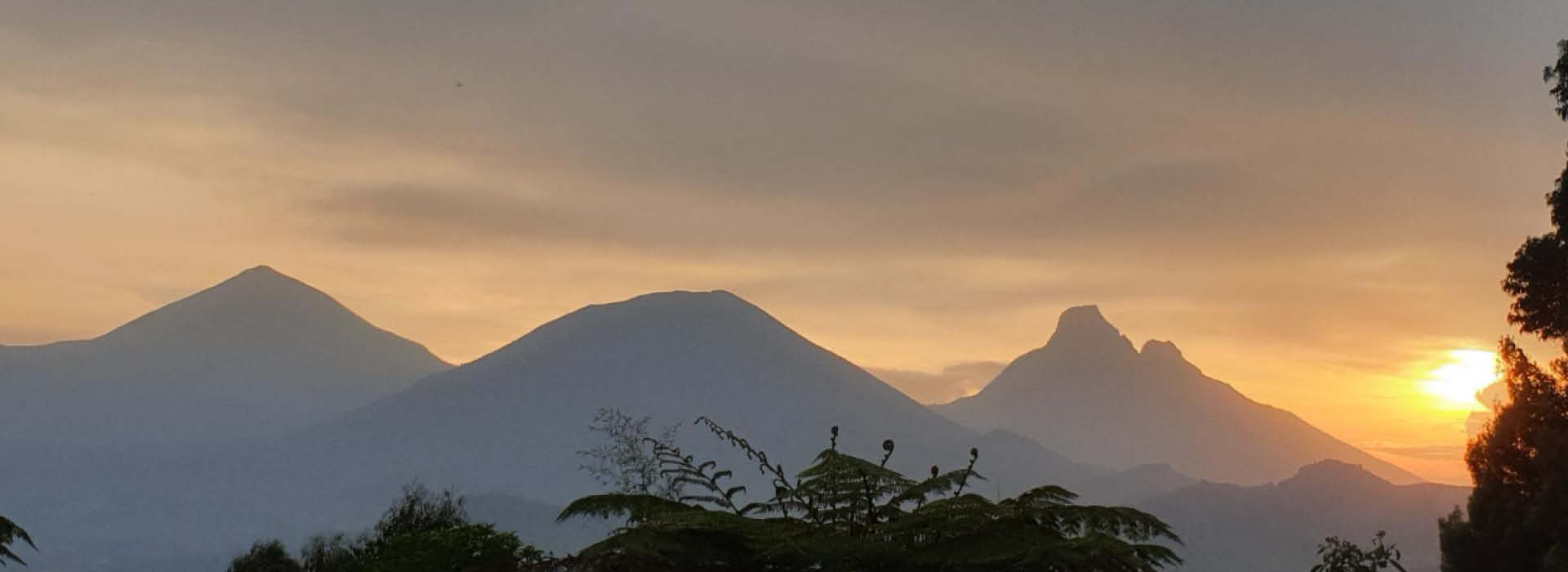
The Best Time to Visit Rwanda depends on the experiences you wish to enjoy, your preferred travel conditions and the type of safari you are planning. Rwanda offers rewarding travel opportunities throughout the year, from mountain gorilla trekking in Volcanoes National Park to chimpanzee tracking in Nyungwe, wildlife viewing in Akagera and cultural experiences across the country.
For many travellers, June to September and December to February provide generally favourable conditions for outdoor activities. These periods are associated with relatively drier weather, making forest trekking, game drives and scenic exploration more manageable. However, the wetter months also offer advantages. Rwanda’s forests become particularly lush, landscapes appear greener and popular destinations may receive fewer visitors. Seasonal rainfall can also influence primate feeding patterns, bird activity and photographic opportunities.
Understanding When to Visit Rwanda therefore involves more than identifying the driest months. It requires considering the relationship between climate, wildlife experiences, accommodation availability and travel costs. At Njagi Safaris, we help travellers select suitable dates and develop private itineraries that reflect their interests, preferred accommodation standards and available time.
Best Time to Visit Rwanda at a Glance
For travellers deciding When to Visit Rwanda, the following overview provides a practical starting point. Seasonal conditions influence trekking comfort, wildlife viewing, birdwatching and travel arrangements, but rewarding experiences are available throughout the year.
Best Time for Gorilla Trekking
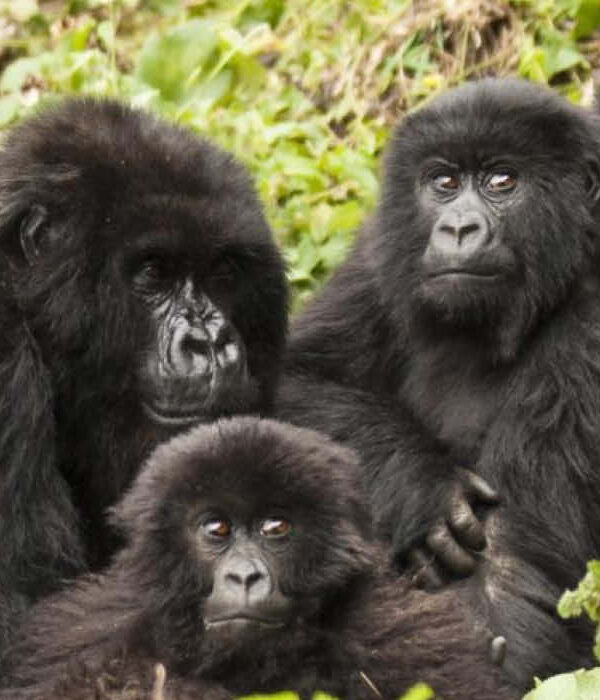
June to September and December to February are generally favourable for Gorilla Trekking in Rwanda, as relatively drier conditions can make the mountain forest trails of Volcanoes National Park more manageable. Gorilla trekking operates throughout the year, however, and encounters are not restricted to particular months.
Best Time for Chimpanzee Tracking
June to September and December to February may offer more comfortable walking conditions for Chimpanzee Tracking in Rwanda, particularly in Nyungwe National Park. However, wetter periods can also provide rewarding chimpanzee encounters. Tracking success depends on chimpanzee movements, food availability and local conditions, not simply rainfall.
Best Time for Savannah Wildlife Safaris
June to September and the relatively dry period from December to February are generally favourable for wildlife safaris in Akagera National Park. During drier months, vegetation may become less dense, and animals can be easier to observe around lakes and other water sources.
Best Time for Birdwatching
November to April can be particularly interesting for Birdwatching in Rwanda, as migratory species may be present alongside resident birds. Rwanda’s forests, wetlands, lakeshores and savannah habitats nevertheless provide opportunities for birdwatching throughout the year.
Best Time for Landscape Photography
March to May and October to November can be rewarding for landscape photography because seasonal rainfall often produces greener hillsides, dramatic skies and rich forest vegetation. The relatively drier months may offer more convenient access to viewpoints and outdoor photography locations.
Best Time for Hiking and Mountain Adventures
June to September and December to February are generally preferable for hiking in Volcanoes National Park and other mountainous destinations. However, high-altitude weather remains unpredictable, and appropriate preparation is essential throughout the year.
Best Time for Quieter Safari Experiences
March to May and October to November may appeal to travellers seeking quieter accommodation and greater flexibility in their itineraries. Rainfall can affect forest trails and some outdoor activities, but these periods offer distinctive scenery and potentially attractive accommodation opportunities.
Best Time for Multi-Park Private Safaris
June to September and December to February are generally convenient for combining gorilla trekking, chimpanzee tracking, wildlife viewing and scenic experiences. Travellers planning several destinations should arrange permits and preferred accommodation well in advance, particularly during popular holiday periods.
These are broad planning guidelines rather than guarantees. Rwanda’s climate varies between the volcanic highlands, southwestern rainforests, eastern savannah and Lake Kivu region. The Best Month to Visit Rwanda therefore depends on the experiences included in your itinerary rather than national weather patterns alone. For travellers combining several activities, our Tailor-Made Safaris in Rwanda allow the route, accommodation and activity schedule to be adapted to preferred travel dates.
Understanding Rwanda’s Weather and Safari Seasons
Rwanda lies just south of the Equator, but its elevation, mountainous landscapes and varied habitats create important differences in temperature and rainfall. Rather than four sharply defined seasons, Rwanda generally experiences alternating wetter and drier periods. These patterns influence forest trekking, game drives, landscape photography and travel arrangements.
Rwanda’s Two Generally Drier Seasons
The principal Rwanda Dry Season extends approximately from June to September, while a shorter relatively dry period generally occurs from December to February. During these months, forest trails may be less muddy, game-drive tracks can be more accessible and outdoor activities may be easier to organise.
These conditions are particularly useful for travellers planning gorilla trekking, chimpanzee tracking, wildlife safaris and longer private journeys. However, dry does not mean rain-free. Rainfall remains possible in Volcanoes and Nyungwe national parks throughout the year.
Rwanda’s Two Main Rainy Seasons
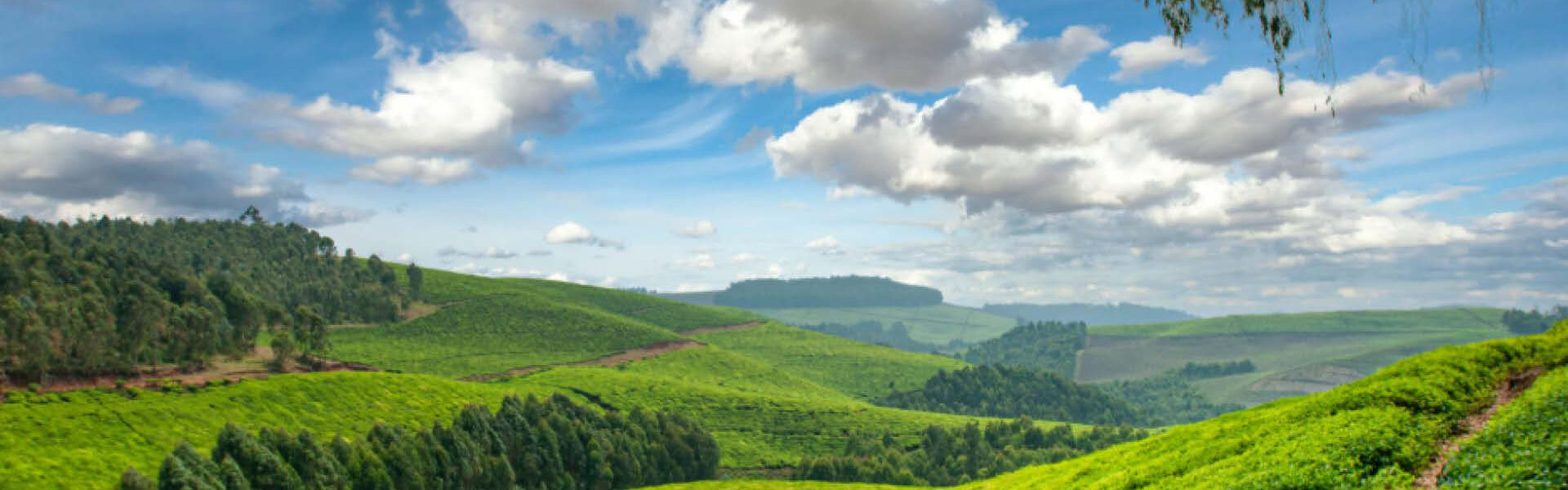
The principal Rwanda Rainy Season periods are generally March to May and October to November. April is commonly among the wetter months in several regions, while October and November bring another period of increased rainfall. These months transform the country’s hillsides, forests and savannah into rich green landscapes.
Rainfall can also make mountain trails slippery, reduce visibility during some activities and affect travel times on unpaved roads. Travellers considering a rainy-season safari should select suitable accommodation, pack appropriate clothing and allow flexibility in their schedules.
How Weather Differs Between Rwanda’s Regions
A single national forecast cannot fully describe Rwanda Safari Weather. Volcanoes National Park experiences cool, often wet mountain conditions because of its elevation. Nyungwe is a humid montane rainforest where rainfall can occur throughout the year.
Akagera National Park, in eastern Rwanda, generally has warmer savannah conditions and a different wildlife-viewing environment. Kigali experiences comparatively moderate temperatures, while Lake Kivu’s lakeside setting creates its own local conditions. For this reason, Rwanda Weather by Month should always be considered alongside the destinations included in a safari.
Why Rainfall Is Possible Throughout the Year
Rwanda’s equatorial location and mountainous terrain mean that rainfall can occur even during the generally drier months. A sunny morning in Kigali may coincide with showers in Volcanoes National Park or Nyungwe Forest. Travellers should therefore prepare for changing conditions, particularly when visiting high-altitude and forest destinations. The Rwanda Meteorology Agency provides official weather information and forecasts that can support travel planning.
When Is Peak Season in Rwanda?
The Rwanda Safari Peak Season generally extends from June to September, with additional demand around Christmas, New Year and selected international holiday periods. July and August are particularly popular for mountain gorilla trekking and multi-destination safaris.
During these months, sought-after accommodation near Volcanoes National Park may fill early, and gorilla trekking permits for preferred dates can become more difficult to secure. Peak season does not mean every destination is equally busy. Visitor numbers differ between Akagera, Nyungwe, Volcanoes and other parts of Rwanda.
Travellers planning a peak-season safari should prioritise advance reservations for gorilla permits, accommodation and specialist activities. At Njagi Safaris, early planning allows us to coordinate trekking arrangements, accommodation locations, private transport and additional activities into a practical itinerary.
When Is Low Season in Rwanda?
The Rwanda Safari Low Season is commonly associated with the wetter months of March to May and October to November, although demand and accommodation pricing vary between destinations. These periods can appeal to travellers seeking greener landscapes, quieter accommodation and greater flexibility when selecting safari properties.
Some lodges introduce seasonal offers during periods of lower visitor demand. However, discounts are not universal, and permit prices do not automatically decrease. Rainfall can affect forest trekking and hiking conditions, but gorilla trekking, chimpanzee tracking and wildlife safaris remain possible throughout the year, subject to operational conditions.
For travellers comfortable with occasional rain and adaptable schedules, low-season travel can offer a rewarding alternative to the busiest months. The important consideration is not simply selecting the cheapest period, but understanding how the season influences the quality, comfort and practicality of the journey.
Rwanda Safari Seasons Month by Month
Understanding Rwanda Safari Month by Month helps travellers compare typical weather conditions, wildlife opportunities and travel considerations. The following guide covers January through December, recognising that conditions vary between Rwanda’s national parks and geographical regions.
Rwanda in January
January generally falls within Rwanda’s shorter relatively dry period. It can be a favourable month for gorilla trekking in Volcanoes National Park, chimpanzee tracking in Nyungwe and wildlife viewing in Akagera. Forest trails may be more manageable than during the wetter months, although showers remain possible. January is also interesting for birdwatchers because migratory species may be present alongside resident birds. Accommodation demand can remain relatively high around New Year before easing later in the month.
Rwanda in February
February often continues the relatively dry conditions experienced during January. It can be a suitable month for mountain gorilla trekking, golden monkey tracking, savannah game drives and multi-park private safaris. Akagera’s wildlife viewing can be rewarding, particularly where animals gather near available water. Birdwatching opportunities remain attractive across Rwanda’s forests, wetlands and savannah habitats. Travellers should still arrange permits and preferred accommodation in advance.
Rwanda in March
March generally marks the beginning of the longer rainy season. Rainfall becomes more frequent, bringing greener landscapes and changing forest conditions. Gorilla and chimpanzee tracking remain available, although trails may become muddy and slippery. March can appeal to photographers interested in Rwanda’s lush scenery and dramatic mountain landscapes. Some accommodation properties may also offer greater availability than during the busiest travel months.
Rwanda in April
April is commonly among the wettest months in Rwanda. Forest trails can become particularly muddy, making trekking and hiking more physically demanding. However, April offers lush rainforest scenery, green hillsides and quieter experiences at some accommodation properties. Wildlife viewing in Akagera remains possible, although rainfall and denser vegetation can influence sightings. Travellers choosing April should prioritise appropriate footwear, reliable transport and flexible itineraries.
Rwanda in May
May often remains wet during its early weeks, with rainfall generally beginning to ease as the country approaches the main dry season. Forests and hillsides are frequently green, creating attractive conditions for landscape photography. Gorilla trekking and chimpanzee tracking remain possible, although some trails may still be slippery. May can be worth considering for travellers interested in quieter accommodation and nature-focused experiences. The precise timing of improving conditions varies between years and destinations.
Rwanda in June
June generally marks the beginning of Rwanda’s main dry season. It is often considered one of the Best Time for Rwanda Safari periods, particularly for travellers combining gorilla trekking, chimpanzee tracking and savannah wildlife viewing. Forest trails may become more manageable, while game drives in Akagera can benefit from improving visibility.
June also marks the beginning of increased international travel demand. Advance reservations are particularly important for gorilla trekking permits and popular accommodation near Volcanoes National Park.
Rwanda in July
A Rwanda Safari in July is popular because of generally favourable conditions for trekking and wildlife activities. Volcanoes National Park offers rewarding opportunities for gorilla trekking, while Akagera can provide excellent game-drive experiences.
Nyungwe’s forest trails may be more manageable during relatively dry weather. However, July is also one of Rwanda’s busiest international travel months. Travellers should prioritise early permit and accommodation reservations, particularly when planning a private gorilla-focused safari.
Rwanda in August
August is another popular month for Rwanda safaris. Relatively dry conditions often favour gorilla trekking, golden monkey tracking, game drives and scenic travel. Akagera’s wildlife can be easier to observe in some areas as vegetation becomes less dense. The month is attractive for families and travellers combining Rwanda’s major national parks. Accommodation demand can remain high, particularly around Volcanoes National Park.
Rwanda in September
September is generally a transitional month between the main dry season and the shorter rainy period. Early September may still provide favourable conditions for gorilla trekking and wildlife safaris. Rainfall can become more frequent as the month progresses, although conditions vary between regions. September can be attractive for travellers seeking a balance between established safari activities and somewhat quieter travel periods. Visitors should consider the possibility of changing weather when planning forest activities.
Rwanda in October
October commonly brings increased rainfall across much of Rwanda. The countryside becomes greener, and forest environments can be particularly atmospheric. Gorilla trekking and chimpanzee tracking continue, although wet trails may make walking more demanding. Landscape photography can be rewarding, especially around Rwanda’s volcanic highlands and forested regions. Travellers considering October should allow flexibility for changing weather conditions.
Rwanda in November
November is generally associated with Rwanda’s shorter rainy season. Forests and hillsides are often lush, providing attractive scenery for photography and nature-focused travel. Birdwatching opportunities become increasingly interesting as seasonal migrants arrive in suitable habitats. Primate tracking remains available, although muddy forest trails can affect comfort. November may offer quieter accommodation experiences, subject to individual lodge availability and seasonal pricing.
Rwanda in December
A Rwanda Safari in December can be rewarding as the shorter relatively dry period develops. Gorilla trekking, wildlife safaris and scenic journeys remain popular, particularly towards Christmas and New Year. Birdwatching opportunities are also attractive, with resident and migratory species present across different habitats. Early December may be quieter at some properties, while festive holiday demand can increase substantially later in the month.
Best Time for Gorilla Trekking in Rwanda
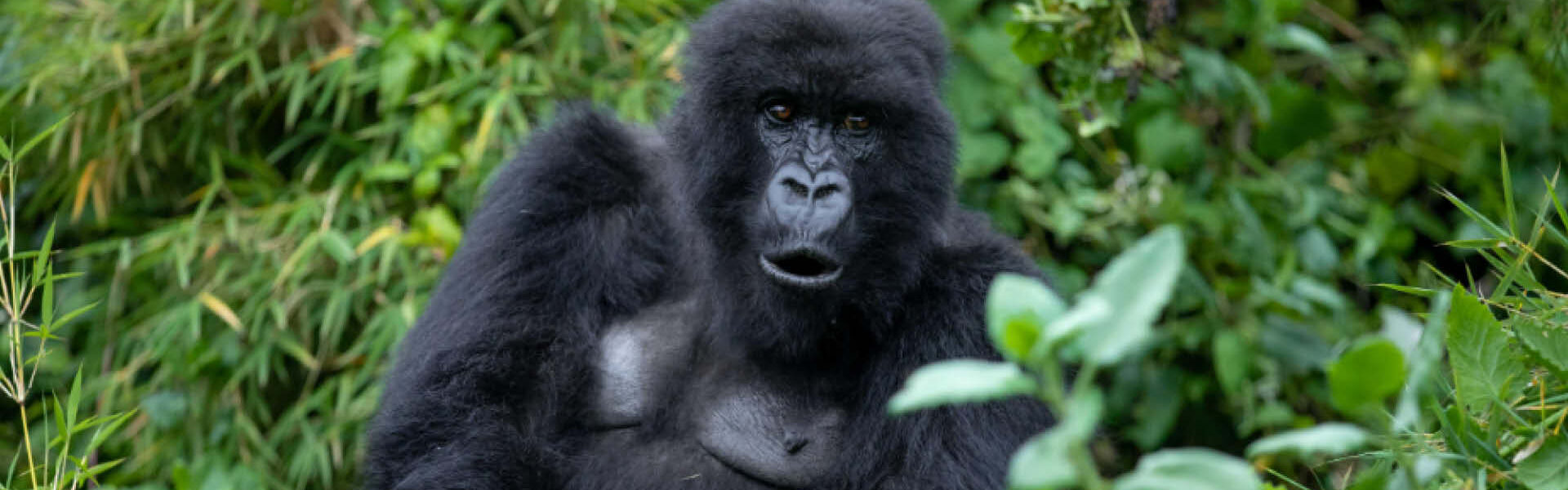
The Best Time for Gorilla Trekking in Rwanda is generally during the relatively drier months of June to September and December to February. These periods can provide more manageable walking conditions in the mountainous forests of Volcanoes National Park. However, gorilla trekking is available throughout the year, and successful encounters are not limited to the dry season.
Gorilla Trekking in Volcanoes National Park
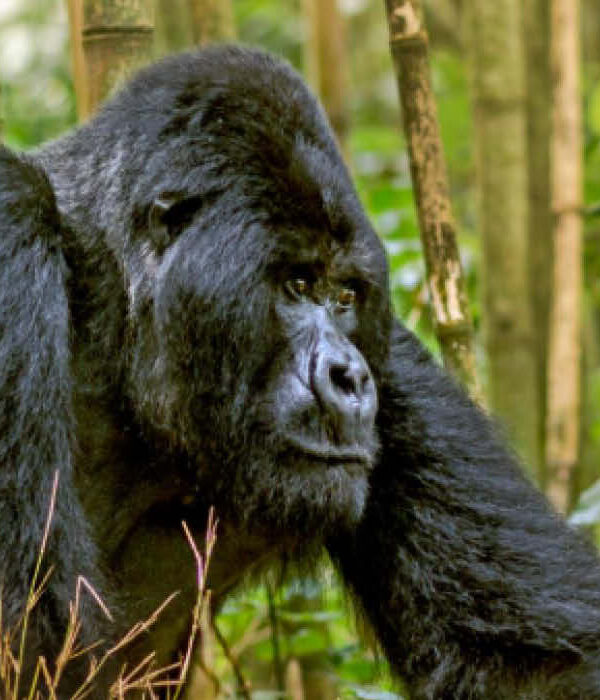
Volcanoes National Park is Rwanda’s principal mountain gorilla trekking destination, situated within the dramatic Virunga volcanic landscape. During relatively drier months, some forest trails may be firmer and less slippery, making walking conditions more comfortable.
Nevertheless, gorilla trekking remains physically demanding because of steep slopes, dense vegetation, uneven ground and the altitude. The wetter months bring lush forest scenery, but rainfall can make trekking more challenging. Trekking duration cannot be reliably predicted by season. It depends on the assigned gorilla group’s location, movements and terrain.
Does the Rainy Season Affect Gorilla Sightings?
Rainfall can affect walking conditions and the comfort of a gorilla trek, but it does not mean mountain gorillas disappear during wetter months. Trekking is coordinated by authorised park personnel and trackers who monitor habituated gorilla groups. Travellers should not assume that any particular month guarantees a shorter trek or closer encounter. Instead, travel dates should be selected with consideration for fitness, weather preferences and the wider itinerary.
When Should Gorilla Trekking Permits Be Booked?
Gorilla trekking permits are limited and subject to availability. For popular travel periods, particularly July, August and the festive holidays, advance planning is advisable. Njagi Safaris coordinates permit arrangements alongside accommodation, transport and other safari activities, helping travellers develop practical itineraries for their preferred dates.
Combining Gorilla Trekking with Golden Monkey Tracking
Golden monkey tracking is another distinctive primate experience available in Volcanoes National Park. It can be incorporated into a gorilla-focused itinerary, particularly for travellers interested in spending additional time exploring the Virunga forest environment. Relatively drier conditions may make forest walking more comfortable, but golden monkey tracking is not exclusively a dry-season activity. Travellers should allow sufficient time for both experiences rather than attempting to compress them into an unnecessarily demanding schedule.
Best Time for Chimpanzee Tracking in Rwanda
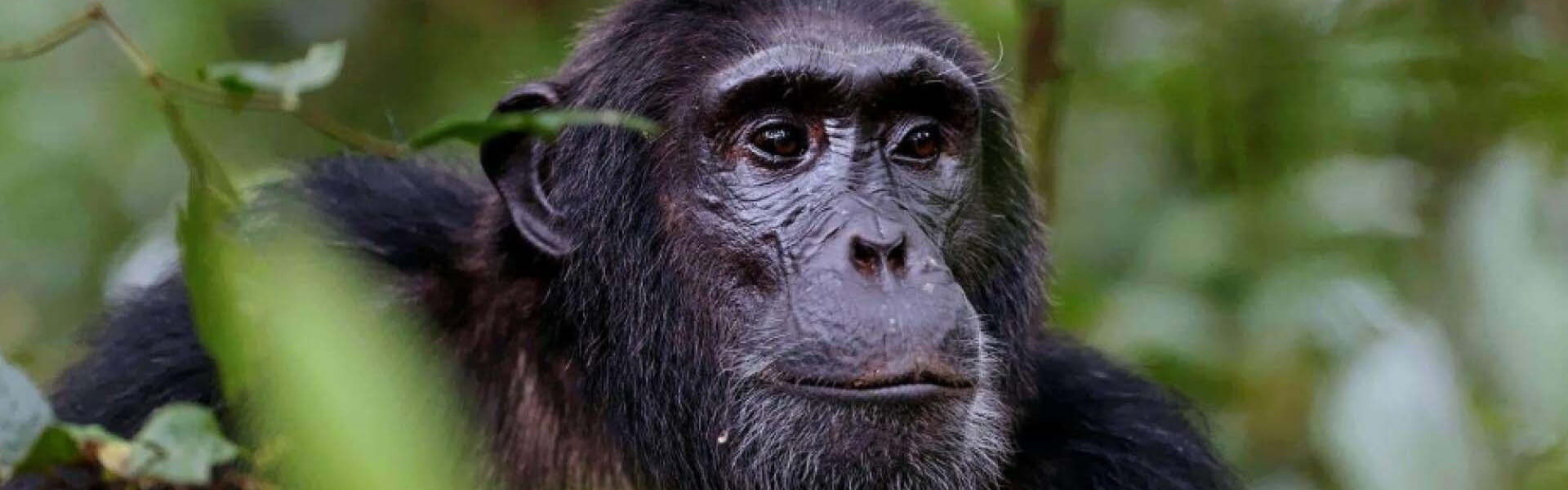
The Best Time for Chimpanzee Tracking in Rwanda depends on the balance between forest walking conditions and seasonal chimpanzee behaviour. Nyungwe National Park is Rwanda’s principal destination for established chimpanzee-tracking experiences. Tracking is available throughout the year, but rainforest conditions and chimpanzee movements can vary considerably.
Chimpanzee Tracking During the Wetter Months
March to May and October to November may offer interesting chimpanzee-tracking opportunities because seasonal rainfall influences forest vegetation and fruiting patterns. At certain times, food availability can affect where chimpanzees feed and how they move through the forest. However, these patterns are variable and should not be interpreted as a guarantee of easier tracking or more reliable sightings.
Chimpanzee Tracking During the Drier Months
June to September and December to February generally offer more manageable walking conditions. Trails may be less slippery, making longer forest excursions more comfortable. Chimpanzees may still travel considerable distances depending on feeding conditions and group movements.
How Forest Conditions Affect Chimpanzee Tracking
Chimpanzees are mobile animals whose movements are influenced by food availability, habitat conditions and social behaviour. Tracking may involve walking through uneven terrain and dense vegetation. Visitors should therefore prepare for variable walking distances and follow the instructions of authorised guides.
Choosing the Right Season for Chimpanzee Tracking
Travellers prioritising walking comfort may prefer relatively drier months. Those interested in green rainforest scenery and potentially different feeding conditions may consider wetter periods. Neither option guarantees a particular encounter, and suitable dates should be selected according to the wider itinerary.
Best Time for Wildlife Safaris in Rwanda
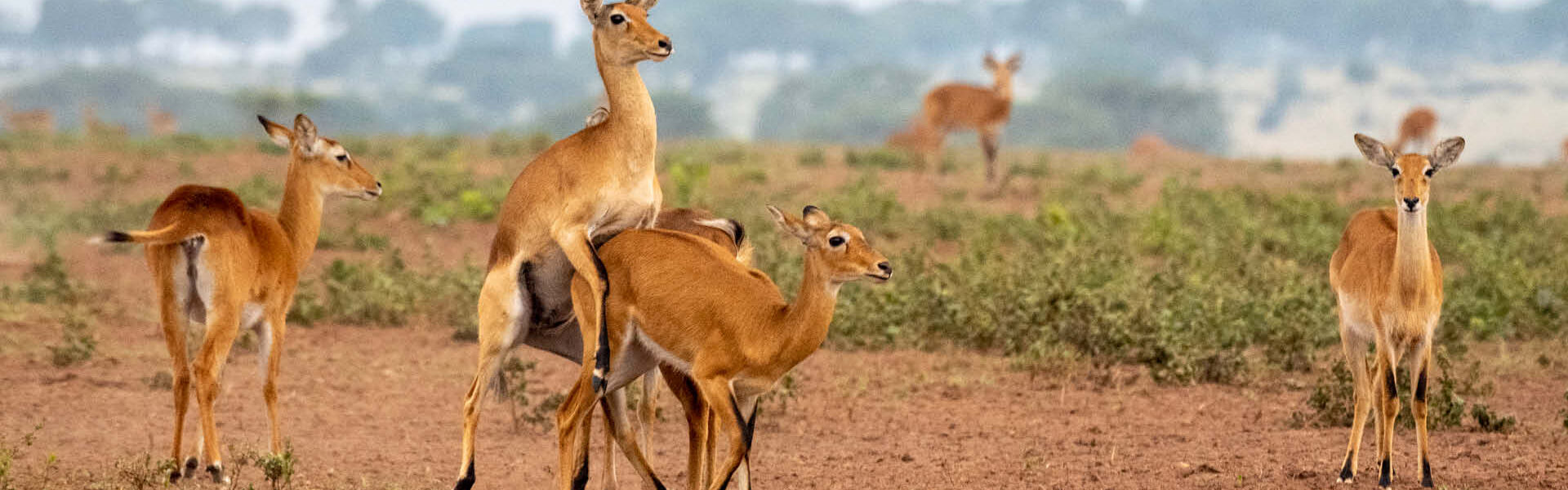
The Best Time for Wildlife Viewing in Rwanda is generally during the relatively drier months, particularly June to September and December to February. Akagera National Park is Rwanda’s principal savannah wildlife destination, offering opportunities to observe elephants, buffaloes, giraffes, zebras, antelopes, lions, rhinoceroses and numerous bird species. For a broader overview, explore our Wildlife Safaris in Rwanda and the dedicated Game Drive in Rwanda guide.
Wildlife Viewing During the Dry Seasons
During drier periods, vegetation may become less dense in some areas. Animals may also concentrate around available water and feeding areas, potentially improving viewing opportunities. However, sightings remain dependent on wildlife movements, habitat conditions and the route taken.
Wildlife Viewing During the Rainy Seasons
Rainfall transforms Akagera’s landscapes, producing green grasslands, fuller vegetation and attractive scenery. Wildlife remains present throughout the year, although taller vegetation can make some animals more difficult to observe. The greener months can be particularly appealing to landscape photographers and visitors interested in the park’s wider ecosystem.
Best Time for Morning and Afternoon Game Drives
Early morning and late afternoon are commonly preferred for game drives because temperatures may be more comfortable and certain animals are active during these periods. The ideal schedule depends on the season, park arrangements and the wildlife experience being planned.
Combining Akagera with Other Rwanda Destinations
Akagera can be combined with Volcanoes National Park, Nyungwe, Kigali and Lake Kivu within a private itinerary. Travellers interested in these combinations can explore our Wildlife Safaris in Rwanda for additional planning guidance.
Best Time for Birding in Rwanda
The Best Time for Birding in Rwanda depends on the species and habitats that travellers wish to explore. Rwanda supports diverse birdlife across montane forests, wetlands, lakes, agricultural landscapes and savannah ecosystems. Birdwatching is possible throughout the year, although seasonal migration, breeding behaviour and rainfall can influence observations.
Birdwatching During the Migratory Season
November to April can be particularly interesting for observing Palearctic migratory birds alongside resident species. The exact timing of arrivals and departures varies by species and environmental conditions.
Forest Birding in Nyungwe
Nyungwe National Park is particularly important for forest birdwatching, including species associated with the Albertine Rift. Birding conditions depend on weather, visibility, trail accessibility and bird activity. Dedicated birdwatchers may benefit from flexible schedules and specialist guiding.
Savannah and Wetland Birding in Akagera
Akagera offers opportunities to observe birds associated with lakes, wetlands, grasslands and woodland habitats. Different species may be more conspicuous during particular seasons. Boat-based wildlife activities and guided birdwatching excursions can complement traditional game drives.
Choosing a Birding Season
Specialist birdwatchers should select dates according to target species, preferred habitats and the broader safari programme. Travellers combining birding with gorilla trekking or wildlife viewing may find the relatively drier months convenient for multi-destination travel.
Best Time for Hiking, Cultural and Adventure Experiences in Rwanda
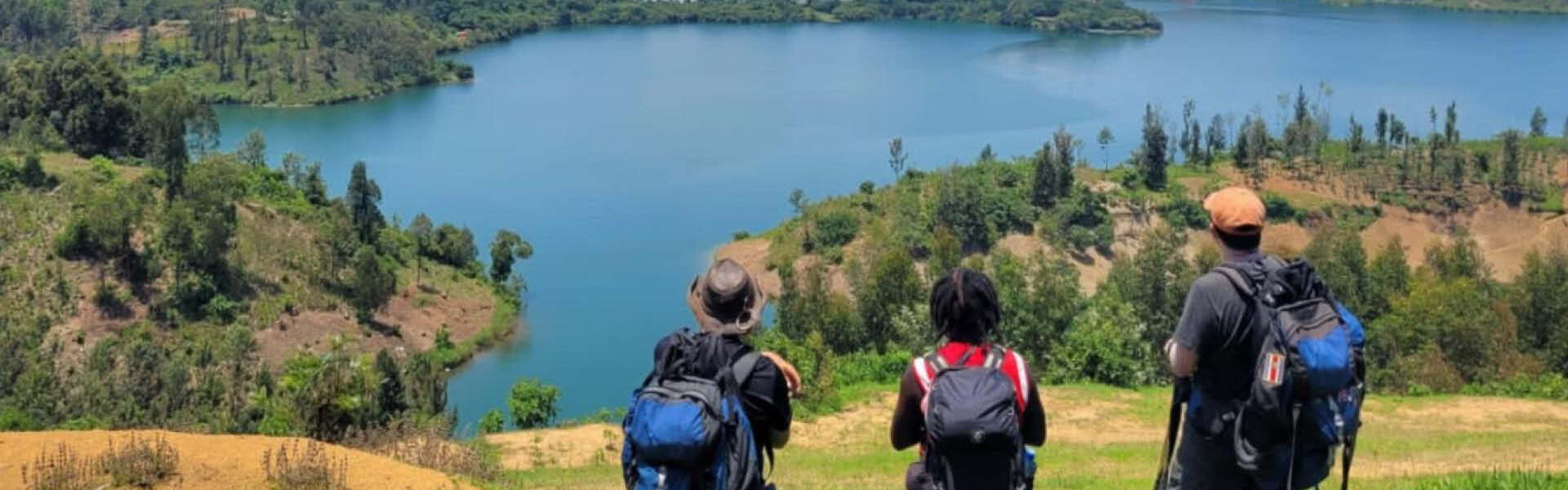
Rwanda offers hiking, cycling, cultural exploration, scenic travel and lake-based experiences throughout the year. The most suitable months depend on the activity, destination and level of physical preparation required.
Hiking in Volcanoes National Park
Relatively drier months generally provide more manageable conditions for mountain hiking. However, high-altitude weather can change rapidly, and trails may remain wet even during the dry season.
Forest Walks and Canopy Experiences in Nyungwe
Nyungwe offers forest walks and canopy experiences in a humid montane environment. Rainfall can influence trail conditions and activity arrangements, so visitors should prepare for changing weather.
Lake Kivu and Scenic Exploration
Lake Kivu can be visited throughout the year for scenic relaxation, cultural experiences and selected water-based activities. Weather conditions should be considered when planning boat excursions, cycling or lakeside activities.
Cultural and Community-Based Experiences
Cultural experiences in Kigali, Musanze, Nyanza and other destinations can be included throughout the year. Rainfall may affect some outdoor visits, but museums, heritage experiences and many community activities are not restricted to particular seasons.
How Safari Prices Change Between Seasons
Understanding Rwanda Safari Prices by Season helps travellers make informed decisions about accommodation, permits, transport and the overall cost of their journey. Although seasonal demand can influence safari prices, not every component becomes cheaper during wetter months.
Peak-Season Accommodation Rates
Popular safari lodges may apply higher rates during periods of strong demand. Travellers seeking particular properties or accommodation categories should plan early.
Low-Season Lodge Offers
Some accommodation providers introduce seasonal promotions during quieter periods. These offers vary by property and should not be assumed to apply across Rwanda. A lower accommodation rate may improve the overall value of a safari, particularly for longer itineraries.
Gorilla and Chimpanzee Permit Costs
Primate permits are governed by the relevant authorities and their published conditions. Travellers should not assume that gorilla or chimpanzee permits automatically become cheaper during low season. Any promotional or concessionary rates must be confirmed against the rules applicable to the traveller and travel dates.
International Flights and Domestic Transfers
International airfares depend on airline schedules, booking lead times, holiday periods and demand. Private transport and guiding costs may be less sensitive to seasonal changes than accommodation prices. Domestic transfer arrangements, where applicable, should be evaluated alongside itinerary duration and convenience.
Planning a Safari Around Your Budget
Travellers seeking value should consider total safari costs rather than accommodation rates alone. A well-planned itinerary balances park fees, permits, accommodation, guiding, transport and travel time. Njagi Safaris prepares personalised quotations based on the selected dates, number of travellers and preferred accommodation collection.
Is a Low-Season Rwanda Safari Worth It?
A low-season Rwanda safari can be rewarding for travellers who appreciate green landscapes, quieter destinations and a flexible approach to outdoor activities. The wetter months do not prevent visitors from enjoying Rwanda’s wildlife, primates and cultural heritage. However, travellers should understand the practical differences before choosing their dates.
Weather and Outdoor Comfort
Peak or relatively dry periods generally offer more manageable conditions for outdoor activities. During wetter months, visitors should expect more frequent rainfall and occasional changes to planned activities.
Gorilla and Chimpanzee Trekking Conditions
Gorilla trekking may involve less muddy terrain during relatively dry periods. Rainy-season trekking can require greater physical effort because of slippery forest trails. Chimpanzee tracking is possible throughout the year, with forest conditions and animal movements varying seasonally.
Wildlife Viewing Opportunities
Drier periods can improve visibility in some savannah habitats. Wetter periods produce greener landscapes, although vegetation may become denser. Wildlife encounters cannot be guaranteed in either season.
Accommodation Availability and Travel Costs
Peak-season demand may reduce accommodation flexibility and increase rates at certain properties. Quieter periods can provide opportunities for seasonal accommodation offers, depending on availability.
Visitor Numbers and Safari Atmosphere
Popular destinations may receive more visitors during established peak periods. Some low-season dates offer a quieter atmosphere, which can appeal to travellers seeking a more relaxed experience.
Photography and Landscape Conditions
Drier periods can provide more comfortable access to outdoor viewpoints. Rainy periods often produce lush scenery, misty mountains and dramatic skies. Both seasons offer distinctive photographic opportunities.
Road Conditions and Travel Planning
Roads and forest access routes are generally easier to navigate during relatively dry periods. Heavy rainfall can affect certain routes, making appropriate vehicles and flexible scheduling important.
Choosing the Best Rwanda Safari Season for Your Travel Style
The Best Time for Rwanda Safari experiences depends on how travellers wish to spend their time. A gorilla-focused itinerary may have different seasonal priorities from a birdwatching expedition, wildlife photography safari or cultural journey.
Gorilla and Primate Enthusiasts
Travellers prioritising mountain gorillas may prefer relatively drier months for walking comfort. Those combining gorilla trekking with chimpanzee tracking should consider the different conditions in Volcanoes and Nyungwe national parks.
Wildlife Photography Travellers
Photographers may favour dry-season visibility in Akagera or wetter-season landscapes in Rwanda’s mountainous regions. Flexible departure times and private guiding can help accommodate changing light and wildlife activity.
Birdwatchers and Nature Enthusiasts
Birdwatchers should consider migratory seasons, forest habitats and target species. Specialist itineraries may require more time in particular destinations rather than a general multi-park route.
Couples and Private Safari Travellers
Private safaris can be adapted to different seasons and travel preferences. Accommodation selection, journey pace and the balance between wildlife and relaxation may be more important than travelling during a particular month.
Families and Small Groups
Families may prefer relatively drier periods for outdoor comfort, although school holidays can increase demand. Age restrictions for certain activities, including gorilla and chimpanzee tracking, should be considered before selecting an itinerary.
Travellers Combining Uganda and Rwanda
Cross-border safaris can combine Rwanda’s gorilla trekking, wildlife and cultural experiences with Uganda’s national parks and primate destinations. Seasonal conditions differ between destinations, so route planning should consider both countries rather than assuming identical weather patterns.
How to Choose the Right Safari Season in Rwanda
Choosing the right safari season in Rwanda involves balancing weather conditions, preferred activities, accommodation availability and travel budget. The Best Time to Visit Rwanda will ultimately depend on the experiences you wish to prioritise, from gorilla trekking and wildlife viewing to birdwatching, hiking and cultural exploration. The following considerations will help you identify suitable travel dates and plan a rewarding safari experience
Identify Your Main Safari Interests
Begin by deciding which experiences matter most. Gorilla trekking, chimpanzee tracking, game drives, birdwatching, hiking and cultural exploration each have different practical considerations. Travellers prioritising primate trekking may prefer relatively drier months for walking comfort, while birdwatchers and photographers may find particular advantages in wetter periods. Identifying your main interests will help determine the most suitable travel dates.
Compare Weather Across Your Destinations
Consider the conditions in Volcanoes, Nyungwe and Akagera national parks separately. Rainfall and temperature can vary considerably between Rwanda’s mountainous forests and eastern savannah. A month offering favourable game-drive conditions in Akagera may still bring rain to the forests of Nyungwe or Volcanoes National Park. Understanding these regional differences helps travellers prepare for the activities included in their itinerary.
Review Permit and Accommodation Availability
Check gorilla and chimpanzee permit availability before confirming your travel dates. These activities operate under regulated arrangements, and availability may be limited during popular travel periods. Accommodation choices should also be reviewed, particularly when travellers prefer specific lodges or room categories. Coordinating permits and accommodation early helps avoid unnecessary changes to the itinerary.
Consider Your Preferred Travel Pace
A shorter safari may require more carefully coordinated transfers and activity schedules, particularly when combining destinations in different parts of Rwanda. Longer journeys provide greater flexibility to explore national parks, enjoy cultural experiences and accommodate changing weather. Travellers who prefer a relaxed pace may benefit from spending additional nights at selected destinations rather than moving frequently between locations.
Balance Seasonal Conditions and Budget
A relatively dry period may offer more convenient outdoor conditions, although popular travel months can bring stronger demand for accommodation and safari services. A wetter period may provide different photographic opportunities, quieter destinations and potential accommodation savings. However, permit costs and other safari expenses do not necessarily decrease with the season. The right decision depends on the overall experience you wish to achieve and the value offered by your chosen itinerary.
Practical Travel Considerations for Visiting Rwanda
Planning a comfortable Rwanda safari involves more than selecting suitable travel dates. Clothing, health preparations, physical fitness and responsible travel practices are important considerations, particularly when combining forest trekking, wildlife viewing and cultural experiences across destinations with different weather conditions.
What to Pack for Rwanda’s Changing Weather
Lightweight clothing, comfortable walking shoes, waterproof outerwear and suitable sun protection are useful throughout the year. Travellers should also prepare for changing temperatures between Rwanda’s warmer lowlands and cooler mountainous regions. Forest trekking may require sturdy boots, long trousers, gloves and additional rain protection. A small daypack, reusable water bottle and layered clothing can provide greater comfort during outdoor activities.
Health and Travel Preparation
Travellers should review applicable entry requirements, vaccination guidance and personal medical needs before departure. Professional health advice is particularly useful when planning activities in forested or remote destinations. Comprehensive travel insurance is recommended, including appropriate medical assistance and emergency evacuation coverage. Visitors should also confirm that their insurance covers planned activities such as gorilla trekking, chimpanzee tracking and mountain hiking.
Accessibility and Physical Fitness
Gorilla trekking, chimpanzee tracking and mountain hiking can involve uneven terrain, steep trails and physically demanding conditions. The level of difficulty may vary according to weather, location and the activity undertaken. Travellers with mobility concerns should discuss their requirements before booking. Suitable alternatives, accommodation arrangements and available assistance can then be considered when developing a private safari itinerary.
Travelling Responsibly in Rwanda
Responsible travel involves respecting wildlife, following park regulations and observing the instructions of authorised guides. During primate tracking, visitors should maintain appropriate distances and follow established conservation and health protocols. Community experiences should also respect local traditions, privacy and cultural expectations. Supporting responsibly organised activities can help tourism contribute positively to conservation and community livelihoods.
Travel Considerations for LGBTQ+ Visitors
LGBTQ+ travellers should consider Rwanda’s legal environment and prevailing social attitudes when planning their safari. Consensual same-sex sexual activity between adults is not criminalised, although social attitudes can be conservative, and visitors may prefer discretion regarding public displays of affection. Njagi Safaris approaches private safari planning with professionalism and respect for individual preferences. Travellers can explore our LGBTQ+ Safaris in Rwanda page for further guidance on accommodation considerations, privacy and personalised travel arrangements.
Official Resources for Planning Your Rwanda Safari
Reliable travel planning should be supported by current information from recognised national authorities. Travellers can consult the following official resources for guidance on tourism arrangements, national parks, seasonal weather conditions and practical preparations when deciding on the Best Time to Visit Rwanda.
Rwanda Development Board
The Rwanda Development Board (RDB) oversees important aspects of Rwanda’s tourism development and destination management. Its official information helps travellers understand the country’s tourism framework, conservation priorities and relevant arrangements for visiting established tourism destinations.
Visit Rwanda
Visit Rwanda is Rwanda’s official destination tourism platform, providing information about national parks, wildlife experiences, cultural attractions and other travel opportunities. It is a useful resource for exploring destinations and identifying activities to include in a private Rwanda safari.
Rwanda Meteorology Agency
The Rwanda Meteorology Agency provides weather forecasts and climate information that can support seasonal travel planning. Its resources help travellers understand rainfall patterns, temperature variations and changing weather conditions, particularly when preparing for forest trekking and outdoor activities.
Frequently Asked Questions About the Best Time to Visit Rwanda
The Best Month to Visit Rwanda depends on your interests. June to September and December to February are generally favourable for gorilla trekking and outdoor activities, while wetter months offer greener landscapes and different rainforest experiences.
June to September and December to February are generally preferred because forest trails may be less muddy. Gorilla trekking operates throughout the year.
Yes. Rwanda can be visited throughout the year. Rainy-season travel requires appropriate clothing, flexible scheduling and preparation for wet trails, particularly in mountainous and forested areas.
Accommodation at popular properties may be more expensive during peak periods. However, overall safari costs also depend on permits, transport, guiding, duration and accommodation standards.
June to September and December to February generally offer favourable conditions for game drives. Wildlife viewing remains possible throughout the year.
Wetter periods may influence chimpanzee feeding patterns and forest activity, but sightings are not guaranteed. Drier periods generally provide more manageable walking conditions. Both can be suitable depending on the traveller’s priorities.
November to April is particularly interesting for many migratory species, while resident birds can be observed throughout the year. The best dates depend on the habitats and species being targeted.
Yes. A private Rwanda safari can combine gorilla trekking in Volcanoes National Park with game drives in Akagera, chimpanzee tracking in Nyungwe and other experiences.
December can be suitable for gorilla trekking, wildlife viewing and cultural exploration. Rainfall may decrease as the month progresses, although conditions vary. Holiday-period accommodation should be arranged early.
Yes. July generally falls within Rwanda’s main dry season and is popular for gorilla trekking, hiking and wildlife safaris. Advance booking is advisable.
Rwanda’s principal national parks offer tourism activities throughout the year, although particular activities may be affected by weather, conservation requirements or operational arrangements.
Rwanda does not criminalise consensual same-sex sexual activity between adults, but conservative social attitudes may affect travellers’ experiences.
LGBTQ+ visitors should review current travel advice, exercise personal discretion and consider discussing accommodation or privacy preferences with their safari organiser.
Travellers planning gorilla trekking during popular travel periods should arrange permits and accommodation as early as practical.
The appropriate booking lead time depends on travel dates, itinerary complexity, accommodation preferences and availability.
Explore Our Rwanda Safari Packages
Discover our selection of private and tailor-made Rwanda safari itineraries, combining gorilla trekking, chimpanzee tracking, savannah wildlife viewing, cultural experiences and scenic destinations.
Our safari packages provide practical starting points for travellers exploring different durations, destinations and accommodation standards. Each itinerary can be reviewed and adapted according to your preferred travel dates, interests and available budget.
Plan Your Rwanda Safari
Choosing the Best Time to Visit Rwanda is an important part of creating a rewarding safari experience. At Njagi Safaris, we help travellers plan private journeys that balance seasonal conditions, wildlife interests, accommodation preferences and practical travel arrangements.
From gorilla trekking in Volcanoes National Park to chimpanzee tracking in Nyungwe and game drives in Akagera, we develop itineraries around each traveller’s priorities. Share your preferred travel dates, number of travellers, intended duration and the experiences you wish to include. Our team will help you explore suitable routes, accommodation options, activity arrangements and indicative costs.