
Buganda Kingdom
Buganda Kingdom is one of Uganda’s most historically significant cultural institutions, celebrated for its royal heritage, enduring traditions, historical landmarks and the cultural identity of the Baganda people. Centred in central Uganda, with important royal and administrative sites around Kampala and Mengo, the kingdom offers travellers an opportunity to explore an influential part of Uganda’s history while experiencing the living traditions of its communities.
From the UNESCO-listed Kasubi Tombs and the royal heritage of Mengo to traditional music, dance, crafts and Lake Victoria’s surrounding landscapes, Buganda offers a rich introduction to Uganda’s cultural diversity. Its location makes it particularly accessible for visitors arriving through Entebbe or beginning a wider Uganda safari in Kampala.
Buganda Kingdom at a Glance
- Location: Central Uganda, with important cultural and royal institutions in and around Kampala.
Landscape: Urban centres, historical royal compounds, agricultural countryside, wetlands, forest remnants and Lake Victoria’s shoreline.
Best known for: The Kabaka, Buganda royal heritage, Kasubi Tombs, traditional cultural institutions and Ganda customs.
Other experiences: Historical tours, traditional music and dance, cultural interpretation, local food, crafts and selected community experiences.
Principal visitor areas: Kasubi, Mengo, Bulange, Kabaka’s Lake, Naggalabi Buddo and other culturally significant locations.
Safari style: Suitable for private cultural journeys, Kampala excursions, heritage-focused visits and longer Uganda safari itineraries.
Planning priority: Confirm access to royal sites, guided tour arrangements and cultural institutions before finalising the itinerary.
A kingdom of enduring cultural importance: Buganda is a living traditional kingdom whose institutions, customary practices and royal history continue to influence cultural life in central Uganda. Its heritage includes the Kabaka’s traditional leadership, the Lukiiko, clan traditions, oral history and historic royal sites.
The Tombs of Buganda Kings at Kasubi are recognised as a UNESCO World Heritage Site for their cultural and architectural significance. Their importance extends beyond the structures themselves, as the site remains closely connected to spiritual traditions and the identity of the Baganda people.
Buganda is more than a historical sightseeing destination. Its royal institutions, living customs and communities make it a place where visitors can explore the relationship between Uganda’s past and present.
Why Visit Buganda Kingdom?
The appeal of Buganda Kingdom begins with its remarkable royal heritage and the opportunity to learn about one of East Africa’s longstanding traditional institutions. The kingdom’s history is reflected in its palaces, royal burial sites, cultural ceremonies, traditional leadership and the everyday practices of the Baganda people.
Kasubi Tombs is among the most significant cultural landmarks. The site is associated with the burial of former Kabakas and preserves important traditions of royal remembrance, spiritual identity and architectural heritage. A guided visit provides context for understanding its significance and the responsibilities involved in protecting it.
Mengo and the surrounding royal sites offer another perspective on Buganda’s history. The Kabaka’s Palace, Bulange and nearby landmarks help explain the relationship between traditional leadership, colonial history and Uganda’s political development.
Buganda also rewards travellers interested in living culture. Kiganda music and dance, traditional food, crafts, language and community experiences provide opportunities to engage with heritage beyond monuments.
For visitors exploring Uganda, Buganda can serve as a cultural introduction before continuing to national parks, lakes, forests and other destinations. Explore our Uganda Safari Destinations.
Things to Do in Buganda Kingdom
Buganda Kingdom offers cultural and historical experiences that can be incorporated into a Kampala excursion or a longer Uganda safari. The most suitable activities depend on your interests, available time and the visitor arrangements at individual royal and cultural sites.
Explore Kasubi Royal Tombs
The Tombs of Buganda Kings at Kasubi are among Uganda’s most important cultural heritage sites. Recognised by UNESCO, the site is associated with the burial of Buganda kings and the preservation of royal traditions.
A guided visit introduces travellers to the site’s historical, spiritual and architectural importance. Access to individual areas may be restricted because the tombs remain culturally significant places rather than ordinary museum exhibits. Confirm current visitor access and conservation arrangements before planning a visit.
Visit Kabaka’s Palace in Mengo
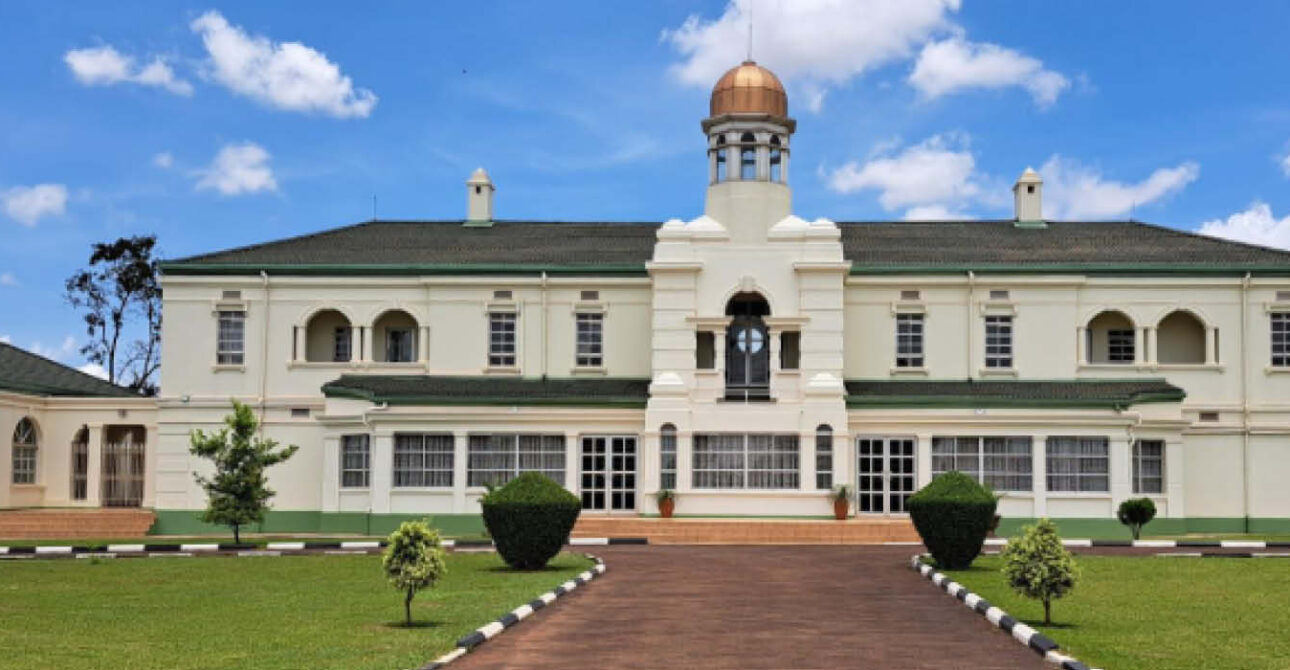
Kabaka’s Palace, commonly associated with the Lubiri in Mengo, is an important landmark in Buganda’s royal history.
The palace grounds and associated historical sites provide context for understanding the kingdom’s traditional leadership and important events in Uganda’s modern history. Some visitor experiences also address the difficult history of detention and political violence associated with nearby facilities.
Discover Bulange and Buganda’s Parliament
Bulange in Mengo is associated with the Lukiiko, Buganda’s traditional parliamentary institution. The building is an important symbol of the kingdom’s administrative and cultural identity, reflecting the continued role of traditional institutions in contemporary Buganda.
Visitors interested in governance, architecture and royal heritage can learn about its significance through appropriately arranged cultural interpretation. Access to the building or its interior should be confirmed in advance.
Explore Kabaka’s Lake
Kabaka’s Lake in Kampala is a historic man-made lake associated with the reign of Kabaka Mwanga II. The lake provides an opportunity to explore a different aspect of Buganda’s royal history and the relationship between cultural landmarks and the surrounding urban landscape.
Visitors can appreciate the setting and learn about its historical origins, while respecting local communities and avoiding activities that could disturb the lake environment.
Visit Naggalabi Buddo Coronation Site
Naggalabi Buddo is a culturally important location associated with the traditional coronation ceremonies of Buganda’s kings. The site offers insight into the customs, symbols and rituals connected with royal succession and the institution of the Kabaka. As a culturally sensitive location, visits should be arranged respectfully, with local guidance and permission for access to any restricted areas.
Experience Traditional Kiganda Music and Dance
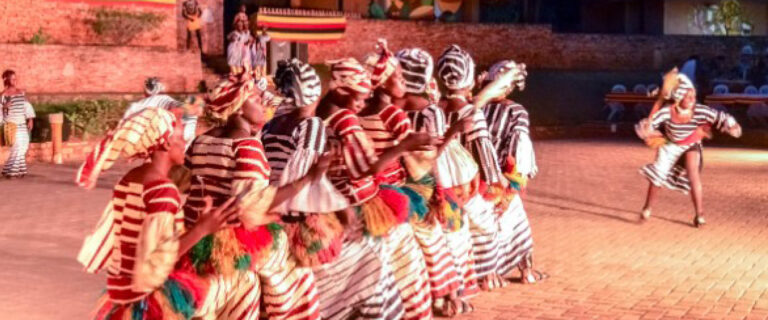
Traditional music and dance are important expressions of Ganda cultural identity. Performances may introduce visitors to dances such as Bakisimba, Nankasa and Muwogola, accompanied by drumming and other traditional musical forms.
These experiences are most meaningful when arranged through local cultural groups that explain the context of the performances and benefit directly from visitors’ participation.
Discover Buganda Food and Culinary Traditions
Food provides an accessible introduction to the traditions of the Baganda people. Visitors may encounter matooke, groundnut sauce, luwombo and other dishes associated with central Uganda’s culinary heritage. Preparation methods, serving customs and the cultural importance of particular foods can form part of a guided culinary experience.
Explore Crafts, Markets and Community Heritage
Buganda’s cultural heritage is also reflected in traditional crafts, barkcloth production, local markets and the skills of artisans. Visitors can explore selected workshops or community-led experiences to learn about materials, techniques and the significance of traditional products.
Barkcloth, historically associated with the mutuba tree and important cultural practices, is a particularly distinctive element of Ganda heritage. Cultural encounters should be arranged through responsible local providers.

Buganda Royal and Cultural Visitor Areas
Understanding Buganda’s principal royal and cultural visitor areas helps travellers plan a meaningful journey through the kingdom’s historical landscape.
Unlike a national park with designated tourism sectors, Buganda’s heritage attractions are distributed across Kampala, surrounding districts and other parts of central Uganda. Many remain active cultural institutions or spiritually significant locations, making appropriate visitor arrangements essential.
Kasubi Royal Tombs
Kasubi is one of Buganda’s most important royal heritage areas and is home to the UNESCO-listed Tombs of Buganda Kings.
The site is closely associated with royal burial traditions, architectural heritage and cultural identity. It offers visitors an opportunity to understand the importance of royal remembrance within Buganda society. Visits should follow the guidance of authorised custodians and respect restrictions around sacred spaces.
Mengo Royal and Administrative Area
Mengo is closely associated with Buganda’s royal and administrative institutions. The area includes the Kabaka’s Palace and Bulange, providing opportunities to explore the kingdom’s traditional leadership, historical architecture and political heritage. A guided visit can connect these landmarks within a broader account of Buganda’s history.
Kabaka’s Lake and Surrounding Heritage
Kabaka’s Lake is a notable historical landmark associated with royal ambitions during the reign of Kabaka Mwanga II. Its setting offers opportunities for historical interpretation and photography, subject to appropriate access and environmental considerations. The lake can be included within a broader Mengo heritage excursion.
Naggalabi Buddo
Naggalabi Buddo is associated with the traditional coronation of Buganda’s kings and remains significant to the kingdom’s cultural identity. A visit can introduce travellers to royal succession traditions and the historical importance of ceremonial locations. Access should be arranged with appropriate local guidance.
Cultural Communities and Traditional Craft Areas
Beyond the best-known royal sites, Buganda’s cultural heritage is preserved through communities, artisans, traditional performers and cultural organisations. Locally arranged visits can introduce travellers to barkcloth making, traditional food, storytelling and other aspects of Ganda life. These experiences should respect the everyday activities and privacy of participating communities.
Landscapes, Wildlife and Cultural Heritage
Buganda Kingdom occupies an extensive cultural landscape in central Uganda, encompassing urban settlements, agricultural communities, forest remnants, wetlands and the northern shores of Lake Victoria. These environments have influenced the livelihoods, settlement patterns and traditions of the Baganda people over generations.
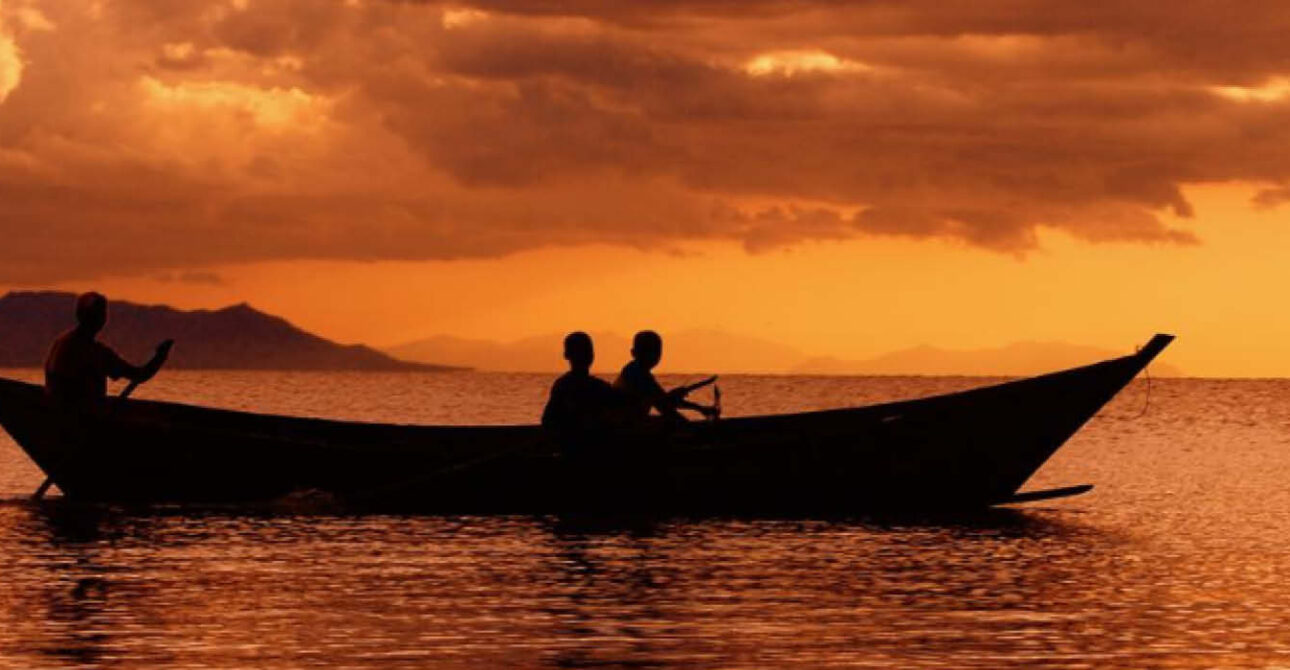
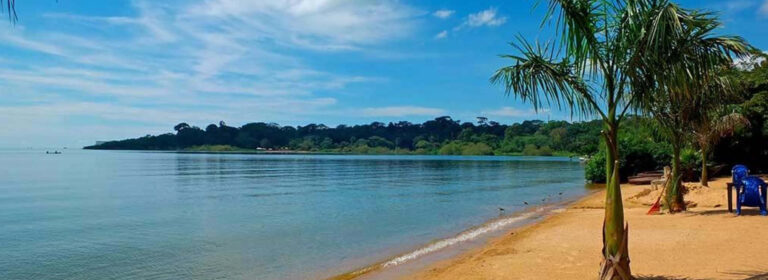
Lake Victoria is particularly important to the region’s geographical identity. Its shoreline, islands and fishing communities contribute to the cultural and economic life of central Uganda. The lake also provides opportunities for scenic excursions, birdwatching and selected water-based activities, subject to local safety conditions and operating arrangements.
Away from the urban centres, Buganda’s countryside includes banana plantations, cultivated hills, wetlands and woodland habitats. These landscapes illustrate the close relationship between agriculture, natural resources and traditional community life.
The kingdom’s cultural heritage is equally significant. Clan traditions, royal institutions, oral history, music, food and crafts remain important expressions of Ganda identity. The production of barkcloth, recognised by UNESCO as intangible cultural heritage, is among the distinctive traditions associated with the region.
For travellers, Buganda offers an opportunity to explore the connections between natural landscapes, royal history and living cultural traditions within central Uganda.
Birdlife of Central Uganda
Buganda’s wetlands, lake shores, cultivated landscapes and woodland habitats support a variety of bird species. Birdwatchers may encounter kingfishers, herons, egrets, weavers and other birds associated with freshwater and agricultural environments. Species and sightings depend on habitat conditions, location and seasonal movements.
Selected excursions around Lake Victoria and other suitable natural areas can complement cultural heritage tours. Travellers seeking specialised birdwatching experiences should arrange visits with knowledgeable guides and respect protected habitats.
Buganda Royal Heritage and Traditional Institutions
Buganda’s royal heritage is closely connected to the institution of the Kabaka, the Lukiiko, clan structures and traditional customs.
Royal sites such as Kasubi Tombs, Mengo and Naggalabi Buddo provide opportunities to explore the kingdom’s historical institutions and ceremonial traditions. These locations are important not only for their architecture but also for the cultural meanings attached to them.
Traditional leadership and cultural organisations continue to play a role in preserving language, customs and historical knowledge. Visitors should approach these institutions with respect and recognise that access to certain places and ceremonies may be restricted.
Where to Stay in Buganda Kingdom
Choosing where to stay when exploring Buganda Kingdom begins with identifying the cultural and historical attractions you intend to visit. Kampala provides the widest range of accommodation and is a practical base for excursions to Kasubi, Mengo and other royal heritage sites.
Accommodation ranges from comfortable guesthouses and established city hotels to Premium properties and selected luxury retreats. The best choice depends on your preferred comfort level, travel schedule and the location of your planned activities.
Kampala City Centre
Central Kampala is a convenient base for travellers interested in the city’s historical attractions, cultural institutions, restaurants and markets.
Accommodation in the city centre can provide access to guided excursions covering Kasubi, Mengo and other locations, although traffic conditions should be considered when planning daily transfers. This area can suit visitors with limited time who want to combine Buganda heritage with a broader Kampala experience.
Mengo and Rubaga Areas
Mengo and Rubaga are worth considering for travellers particularly interested in Buganda’s royal and historical heritage. These areas are associated with important cultural landmarks and offer access to the wider Kampala road network.
Accommodation availability and facilities vary, so travellers should confirm property standards and travel arrangements before booking.
Kololo, Nakasero and Surrounding Kampala Areas
Kololo, Nakasero and nearby residential areas offer accommodation options for travellers seeking established city hotels and access to restaurants and other services. These locations can provide a comfortable base for private cultural excursions around Kampala.
The most suitable property depends on your itinerary, preferred comfort level and the amount of time available for transfers.
Entebbe and Lake Victoria Shoreline
Entebbe offers an alternative base for visitors who prefer to stay near Lake Victoria or require convenient access to Entebbe International Airport. Travellers can combine selected lakeside experiences with a separately planned cultural excursion to Buganda’s royal sites around Kampala.
Traffic between Entebbe and Kampala should be considered when scheduling visits, especially on days involving international flights.
Rural Buganda and Lake Victoria Islands
Selected countryside retreats and island accommodation may appeal to travellers seeking quieter surroundings and scenic landscapes. These locations can complement a cultural journey, particularly for visitors interested in community experiences, birdwatching or relaxation.
Island transfers and rural accommodation arrangements should be confirmed in advance, including transport, safety provisions and access to the mainland.
How to choose: Select accommodation according to your preferred comfort level, the royal sites you intend to visit and your wider Uganda safari route. Explore our Safari Itineraries, Accommodation Collection and Travel Styles when planning your stay.
Best Time to Visit Buganda Kingdom
The best time to visit Buganda Kingdom depends on your preferred cultural experiences, travel dates and interest in outdoor sightseeing. Its principal royal and historical attractions can be explored throughout the year, although rainfall, traffic conditions and visitor arrangements can influence the experience.
Central Uganda generally experiences relatively drier periods around December to February and June to August. These months can be convenient for guided cultural tours, visits to historical landmarks and outdoor excursions around Kampala and Lake Victoria.
Wetter periods, commonly occurring around March to May and September to November, bring greener landscapes and occasional heavy rainfall. Cultural attractions may still be accessible, although outdoor visits and transfers can be affected by changing weather.
Buganda’s traditional ceremonies and cultural events do not necessarily follow the same calendar as the tourism seasons. Visitors interested in particular celebrations should confirm official dates, public access arrangements and any cultural restrictions before planning their journey.
The region’s equatorial climate means warm conditions are common throughout the year, with rainfall possible even during relatively dry periods. Comfortable walking shoes, lightweight clothing, sun protection and a light rain jacket are useful for cultural excursions.
For a rewarding experience, plan around the attractions and cultural activities that interest you most rather than relying on a single preferred travel season.
How to Get to Buganda Kingdom
Reaching Buganda Kingdom is generally straightforward because many of its best-known royal and cultural attractions are located in Kampala and surrounding parts of central Uganda. The most suitable transport arrangement depends on your arrival point, accommodation and the specific sites included in your itinerary.
By Road from Entebbe International Airport
Entebbe International Airport is Uganda’s principal international air gateway and a common arrival point for visitors planning to explore Buganda’s cultural heritage.
Travellers can continue by road to Kampala, where attractions such as Kasubi Tombs, Mengo and Bulange are located. Transfer times depend heavily on traffic, the location of your accommodation and the route taken. Allow sufficient time, particularly when travelling during busy periods.
By Private Safari Vehicle
A private safari vehicle is a convenient option for visiting Buganda’s historical landmarks and cultural attractions. This arrangement allows travellers to combine several locations within a planned itinerary, with time allocated for guided interpretation, photography and rest stops.
Because Kampala experiences significant traffic congestion, the order of attractions should be carefully planned to minimise unnecessary travel.
By Domestic or Charter Flight
Domestic flights are generally unnecessary for visiting Buganda’s principal cultural sites around Kampala because the attractions are accessible by road.
Travellers arriving from distant safari destinations may use domestic or charter flights to Entebbe or another suitable operating airfield, followed by a road transfer. Flight availability, baggage allowances and onward transport should be confirmed before booking.
Connecting from Other Safari Destinations
Buganda Kingdom can be incorporated into a longer Uganda safari that includes Entebbe, Jinja, Lake Mburo National Park, Murchison Falls National Park or other destinations.
Cultural excursions around Kampala can be arranged at the beginning or end of a safari, depending on international flight schedules and the wider route. A well-planned itinerary allows time to explore Buganda’s heritage without creating unnecessary pressure around airport transfers.
Safari Packages Featuring Buganda Kingdom
Explore Uganda safari packages that incorporate Buganda Kingdom’s royal heritage, historical landmarks and cultural experiences alongside the country’s wildlife and natural attractions.
Depending on the itinerary, a cultural visit may include Kasubi Tombs, Mengo, Bulange, traditional performances or selected community experiences before continuing to national parks and other destinations. Buganda is particularly well suited to travellers seeking a cultural introduction to Uganda at the beginning or end of a longer safari.
Heritage Trails

Combine Buganda Kingdom with Other Destinations
Combining Buganda Kingdom with other destinations can create a more varied Uganda safari, bringing together royal heritage, contemporary culture, wildlife and scenic landscapes. The most suitable combination depends on your available time, arrival arrangements and preferred activities.
Buganda Kingdom and Kampala City
Combine Buganda’s royal heritage sites with a broader Kampala City experience. A cultural itinerary can include Kasubi Tombs, Mengo and other royal landmarks alongside selected markets, museums and historical attractions. This combination is particularly suitable for travellers seeking an introduction to Uganda’s cultural and urban life.
Buganda Kingdom and Entebbe
Buganda’s cultural attractions can be combined with Entebbe for a journey featuring royal heritage and the landscapes of Lake Victoria. Entebbe provides opportunities for selected nature experiences, lakeside relaxation and access to Uganda’s principal international airport.
Buganda Kingdom and Jinja
Travellers can combine Buganda cultural experiences with Jinja for a journey that connects historical heritage with activities around the River Nile.
Jinja offers scenic and adventure experiences that can complement a cultural visit to Kampala. The combination is suitable for travellers who want to explore different aspects of central and eastern Uganda within a relatively compact itinerary.
Buganda Kingdom and Other Uganda Safari Destinations
Travellers with more time can extend their journey to national parks and other cultural regions. Possible combinations include Lake Mburo National Park, Ankole Region, Acholi Region, Tooro Kingdom, Murchison Falls National Park and longer wildlife itineraries towards western or northern Uganda.


Responsible Travel in Buganda Kingdom
Visiting Buganda Kingdom offers an opportunity to experience Uganda’s royal heritage while supporting the communities and institutions that preserve its cultural traditions. Responsible tourism begins with respecting the Kabaka’s cultural institution, traditional customs and the historical significance of royal and sacred sites.
During visits to Kasubi Tombs, Mengo and other heritage locations, follow the instructions of authorised guides and custodians. Seek permission before photographing people, ceremonies or culturally sensitive spaces, and observe any restrictions on access, clothing or visitor conduct. The Buganda Kingdom cultural institution provides a relevant reference for understanding the kingdom’s heritage and traditional leadership.
Royal sites such as Kasubi Tombs carry cultural and spiritual significance beyond their architectural value. Visitors should approach these locations with respect and avoid treating sacred traditions as ordinary entertainment. The UNESCO World Heritage Centre provides further information about the cultural importance and conservation of the Tombs of Buganda Kings at Kasubi.
Choose locally guided experiences, cultural performances and craft activities that provide meaningful benefits to participating communities. When exploring Lake Victoria, wetlands or rural landscapes, avoid disturbing wildlife, damaging habitats or leaving waste behind.
For broader destination information and responsible tourism guidance, consult the Uganda Tourism Board. By travelling thoughtfully, visitors can contribute to cultural preservation, respectful heritage interpretation and sustainable community livelihoods.
Frequently Asked Questions About Buganda Kingdom
Buganda Kingdom is located in central Uganda, with important royal and cultural institutions situated in and around Kampala. Its historical territory extends across several parts of central Uganda, including areas surrounding Lake Victoria. Kampala provides a convenient base for visiting many of its best-known heritage attractions.
Buganda Kingdom is known for its royal heritage, the institution of the Kabaka, the Kasubi Royal Tombs, traditional cultural practices and historically significant sites around Kampala. Its cultural identity is also expressed through the Luganda language, clan traditions, music, dance, food and crafts.
Popular experiences include visiting Kasubi Tombs, exploring the royal heritage of Mengo, learning about Bulange, visiting Kabaka’s Lake and discovering the historical significance of Naggalabi Buddo. Traditional music, dance, food and community-led cultural experiences can also complement a visit.
Kasubi Tombs is a UNESCO World Heritage Site associated with the burial of Buganda kings and the preservation of royal traditions. The site has architectural, historical and spiritual importance to the Baganda people. Visitors should respect its sacred character and follow the guidance of authorised custodians.
Guided heritage visits may be available at designated areas associated with Kabaka’s Palace in Mengo. Access to the palace itself and particular sections of the grounds is restricted, and visitors should not assume that all areas are open to the public. Confirm current arrangements with an authorised guide before visiting.
Bulange is the building associated with Buganda’s Lukiiko, the kingdom’s traditional parliamentary institution. It is an important symbol of Buganda’s cultural administration and historical governance. Visitors can learn about its significance through appropriately arranged cultural interpretation, subject to access arrangements.
Traditional Kiganda performances include Bakisimba, Nankasa and Muwogola, which are associated with Buganda’s musical and dance heritage. Visitors may experience these traditions through cultural groups and organised performances. The meaning and presentation of dances can vary according to the occasion.
One or two days can provide an introduction to major royal and historical sites around Kampala. Travellers interested in additional cultural experiences, traditional crafts, community visits or Lake Victoria may benefit from more time. The ideal duration depends on the attractions selected and traffic conditions.
Buganda Kingdom can be explored throughout the year. The relatively drier periods around December to February and June to August are often convenient for outdoor cultural excursions. Visitors interested in specific ceremonies should confirm official dates and public access arrangements before travel.
Kampala is a practical accommodation base for exploring Kasubi, Mengo and other royal heritage sites. Entebbe may suit visitors who prefer lakeside surroundings or convenient airport access. The most suitable location depends on the planned attractions, accommodation preferences and transfer arrangements.
Most visitors travel by road from Entebbe International Airport to Kampala, where several important Buganda heritage attractions are located. Travel time depends on traffic and the location of your accommodation. A private transfer can be arranged as part of a wider Uganda safari.
Yes. Buganda cultural experiences can be combined with Kampala, Entebbe, Jinja, Lake Mburo National Park, Murchison Falls National Park and other destinations. A cultural excursion can be particularly convenient at the beginning or end of a Uganda safari, depending on flight schedules and the wider route.
Plan Your Visit to Buganda Kingdom
Plan your visit to Buganda Kingdom by selecting the royal heritage sites, cultural experiences and historical landmarks that interest you most. From Kasubi Tombs and the royal institutions of Mengo to traditional music, crafts and the landscapes of Lake Victoria, Buganda offers an opportunity to explore an important part of Uganda’s cultural identity.
Njagi Safaris can help organise a private Uganda journey that combines Buganda’s heritage with Kampala excursions, Entebbe, Jinja and wildlife destinations across the country. Our approach considers local visitor arrangements, cultural sensitivities, accommodation preferences and practical travel times.
Share your preferred travel dates, group size, accommodation preferences and interests through the enquiry form below. Our team will help you plan a culturally respectful itinerary tailored to your journey.