
Mount Elgon National Park
Mount Elgon National Park is one of Uganda’s distinctive mountain destinations, celebrated for its ancient volcanic landscape, high-altitude trekking routes, forest habitats and dramatic scenery. Located in eastern Uganda along the border with Kenya, the park protects part of Mount Elgon, an extinct volcano whose broad summit area includes Wagagai Peak, rising to approximately 4,321 metres above sea level.
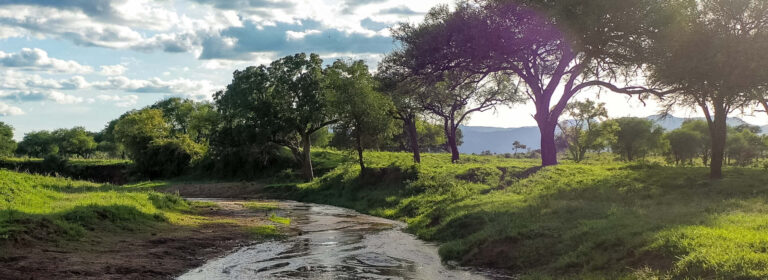
Unlike Uganda’s better-known savannah parks, Mount Elgon National Park offers a quieter, walking-focused experience. Visitors can explore montane forests, bamboo zones, moorlands and volcanic landscapes while discovering the mountain’s rich birdlife, unusual vegetation and geological features.
From guided nature walks and birdwatching to multi-day mountain expeditions, Mount Elgon can be incorporated into a private Uganda safari that combines outdoor adventure with the cultural and scenic attractions of eastern Uganda. Explore our Uganda Safari Destinations or discover the wider Mount Elgon Region to plan a more complete highland journey.
Mount Elgon National Park at a Glance
- Location: Eastern Uganda, along the Uganda–Kenya border.
- Landscape: An ancient volcanic mountain with montane forests, bamboo vegetation, heathlands, moorlands, caves and a broad summit caldera.
- Highest peak: Wagagai Peak, approximately 4,321 metres above sea level.
- Best known for: Mountain hiking, multi-day trekking and distinctive volcanic scenery.
- Other experiences: Birdwatching, guided nature walks, forest exploration and visits to accessible caves.
- Main trekking approaches: Sasa Trail, Sipi Trail and Piswa Trail.
- Safari style: Suitable for active travellers, hikers, birdwatchers, photographers and visitors seeking nature-based experiences.
- Planning priority: Choose a suitable trail, assess fitness and arrange authorised guiding, park entry, camping and transport before travelling.
- A mountain of ecological importance: Mount Elgon’s vegetation changes dramatically with elevation. Lower montane forests give way to bamboo, heath and Afro-alpine plant communities, creating habitats for specialised birds and other wildlife. The mountain also forms an important water catchment for surrounding communities.
Mount Elgon National Park is therefore more than a summit destination. Its forests, volcanic formations, highland habitats and walking routes offer an opportunity to explore a different side of Uganda’s protected landscapes.
Why Visit Mount Elgon National Park?
The principal appeal of Mount Elgon National Park is the opportunity to explore one of East Africa’s remarkable volcanic mountains on foot. Its established trekking routes lead through changing vegetation zones, offering an experience that combines physical activity, mountain scenery and close contact with nature.
For experienced hikers, reaching Wagagai Peak and exploring the surrounding caldera can be the highlight of a multi-day expedition. Unlike technical climbing destinations, the established Mount Elgon summit routes are primarily trekking experiences, although altitude, distance, weather and uneven terrain still demand preparation.
The park also appeals to visitors interested in forest ecology, birdwatching and geological landscapes. Guided walks reveal mountain vegetation, streams, volcanic caves and habitats that contrast with the savannah environments found elsewhere in Uganda.
Beyond the park, the surrounding Mount Elgon Region offers additional experiences, including Sipi Falls, coffee tours and cultural encounters. This makes Mount Elgon National Park a rewarding destination for travellers seeking a combination of adventure, nature and local heritage within a carefully planned Uganda itinerary.
Things to Do in Mount Elgon National Park
Mount Elgon National Park offers outdoor experiences centred on mountain trekking, forest exploration and highland biodiversity. The most suitable activities depend on your available time, fitness, interests and the trekking route selected.
Mountain Hiking and Trekking
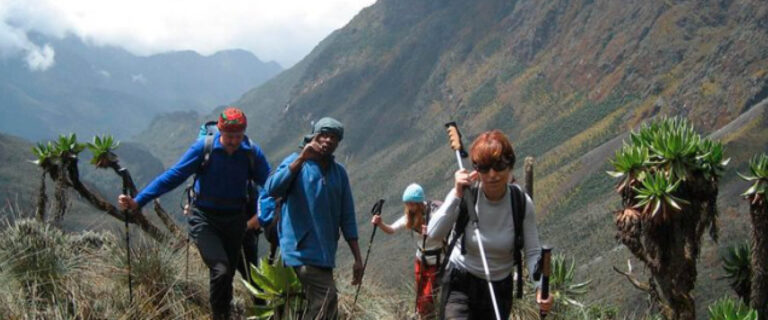
Mount Elgon hiking is the park’s signature activity. Established routes take visitors through forests, bamboo vegetation, heathlands and open moorlands towards the mountain’s upper slopes. Multi-day expeditions can culminate at Wagagai Peak, while shorter guided walks provide opportunities to experience the park without attempting the summit.
Although Mount Elgon is generally considered a non-technical trekking mountain, its trails can be steep, uneven and slippery. Weather conditions and altitude add to the physical demands. Visitors should choose a route that matches their fitness and arrange authorised guides and suitable equipment.
Wagagai Peak Summit Trek
Reaching Wagagai Peak is one of the principal objectives for visitors undertaking a Mount Elgon summit trek. At approximately 4,321 metres above sea level, the peak stands on the rim of the mountain’s vast volcanic caldera.
The summit journey normally requires several days of walking and overnight camping. Along the way, hikers encounter changing mountain vegetation, exposed landscapes and views across the upper volcanic terrain.
Reaching the summit requires appropriate preparation, warm clothing and sufficient time for the selected route. Altitude-related symptoms are possible even on non-technical mountains, so gradual ascent and attention to personal health are important.
Guided Forest and Nature Walks
Visitors who prefer a shorter experience can explore selected forest trails with authorised guides. The Kapkwai Forest Exploration Centre area is particularly associated with nature walks through montane forest habitats.
Guided walks introduce visitors to mountain vegetation, streams, birdlife and the ecological changes occurring across different elevations. They can be incorporated into a short visit or combined with other experiences in the wider Mount Elgon Region. Trail accessibility, duration and guiding arrangements should be confirmed before arrival.
Birdwatching
Mount Elgon National Park is an appealing destination for birdwatchers interested in montane forests and highland species. Different elevations support varied bird communities, from forest birds on the lower slopes to species associated with open mountain habitats.
Birdwatching is especially rewarding when undertaken with an experienced local guide who understands seasonal bird activity, habitat preferences and suitable observation areas. Dedicated birders can combine Mount Elgon with other destinations through our Uganda Birding Guide.
Exploring Volcanic Caves
Mount Elgon’s volcanic geology has produced caves, rock shelters and other distinctive formations along parts of the mountain. Selected caves can be visited during authorised guided walks or longer trekking expeditions.
Tutum Cave, for example, is associated with the Sipi trekking route, while other caves occur around the mountain’s lower slopes and surrounding landscapes. Visitors should follow park guidance, avoid entering restricted or unsafe caves and respect any cultural significance attached to particular sites.
Mountain Camping
Multi-day trekking on Mount Elgon involves overnight stays at designated campsites along established routes. Camping allows hikers to experience the mountain’s changing environments and prepare for longer walks towards the summit.
Facilities are generally basic, and visitors should arrange suitable tents, sleeping equipment, food, water treatment and other supplies in advance. High-altitude nights can be cold, so warm sleeping bags and layered clothing are important. Camping locations and facilities should be confirmed with the Uganda Wildlife Authority and the trekking team before departure.
Wildlife and Nature Photography
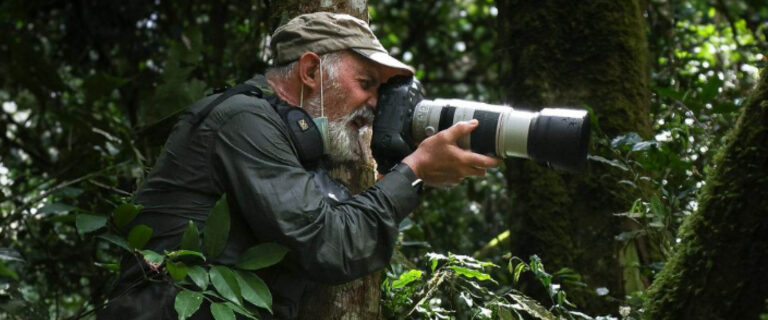
Mount Elgon’s forests, volcanic landscapes and highland vegetation provide opportunities for nature and landscape photography. Photographers can capture bamboo forests, moss-covered vegetation, mountain ridges, volcanic formations and open moorland scenery.
Wildlife photography requires patience because many forest animals are elusive. Visitors should remain on authorised trails and avoid disturbing wildlife or sensitive habitats in pursuit of photographs.
Exploring the Caldera and Mountain Landscapes
The broad summit caldera is one of Mount Elgon’s most remarkable geological features. Its extensive volcanic landscape, surrounding peaks and high-altitude vegetation distinguish the mountain from many other trekking destinations.
Exploring the caldera is generally part of a longer trekking itinerary rather than a short day excursion. Access depends on the selected route, prevailing conditions and official park arrangements. For visitors interested in geology, landscape photography and mountain ecology, this experience adds depth to a summit expedition.

Mount Elgon Hiking Trails and Visitor Areas
Understanding the main trekking routes is essential when planning a visit to Mount Elgon National Park. The Sasa, Sipi and Piswa trails are established approaches to the upper mountain, but they differ in starting elevation, difficulty, scenery and typical duration.
Selecting the right trail influences your accommodation, transport, camping arrangements and the overall length of your safari.
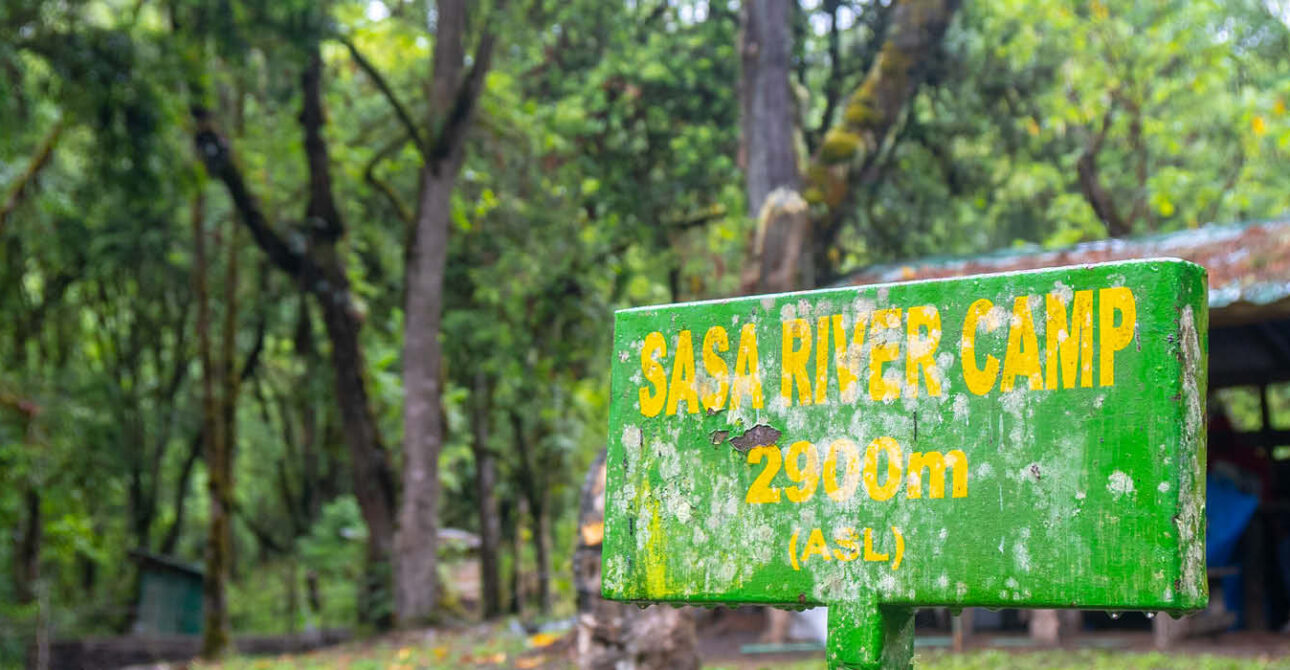
Sasa Trail – Budadiri
The Sasa Trail begins around Budadiri, on the western side of Mount Elgon. It is one of the most direct approaches to Wagagai Peak and is particularly suitable for fit trekkers who prefer a shorter summit itinerary. However, the route includes a demanding initial ascent through steep terrain.
Hikers pass through cultivated foothills and mountain vegetation before continuing towards the higher elevations. A typical summit itinerary takes approximately three to four days, although the final duration depends on the planned route, group fitness and current conditions.
Sipi Trail – Kapkwai
The Sipi Trail begins around the Kapkwai Forest Exploration Centre and offers a longer approach to the upper mountain. It passes through forest habitats and scenic mountain terrain, with opportunities to encounter volcanic features along the route.
The trail can appeal to visitors who prefer a gradual introduction to the mountain and a wider variety of landscapes. A multi-day trek commonly requires around four to six days, depending on the itinerary and the chosen descent route.
Piswa Trail – Kapkwata
The Piswa Trail approaches Mount Elgon from the northern side near Kapkwata. It is generally associated with a longer, more gradual ascent through forest and open mountain landscapes. The route is particularly interesting for hikers who appreciate quieter surroundings, extensive views and changing vegetation.
A complete trek can require approximately five to seven days, depending on the planned route and trekking arrangements.
Wagagai Peak and the Summit Caldera
Wagagai Peak is the highest point of Mount Elgon and a major objective for summit trekkers. The surrounding caldera reveals the mountain’s volcanic history through its broad crater landscape, ridges and high-altitude terrain.
The summit area is exposed to changing weather, including low temperatures, strong winds and reduced visibility. Visitors should approach this part of the mountain with suitable equipment, an experienced guide and realistic expectations about physical demands.
Kapkwai Forest Exploration Centre
The Kapkwai area provides access to forest exploration and the Sipi trekking route. It is an important visitor starting point for shorter nature walks and longer mountain expeditions. The surrounding habitats offer opportunities to observe forest vegetation, birdlife and the ecological characteristics of Mount Elgon’s lower mountain slopes.
This area can be particularly suitable for travellers who want to experience the national park without committing to a full summit trek.
Important planning note: Trail durations are indicative rather than guaranteed. Confirm route access, guide requirements, camping facilities and current regulations with the Uganda Wildlife Authority before finalising your itinerary.
Wildlife, Mountain Habitats and Biodiversity
Mount Elgon National Park protects a diverse mountain ecosystem shaped by altitude, rainfall and volcanic geology. Its vegetation changes from montane forest on the lower slopes to bamboo, heathland and Afro-alpine plant communities at higher elevations.
These habitats support a variety of mammals, birds, butterflies and smaller wildlife. Some species are difficult to observe because of the forest’s dense vegetation and the animals’ natural behaviour. Mount Elgon is therefore best approached as a mountain and nature destination rather than a conventional game-viewing park.
The mountain’s ecological importance also extends beyond wildlife. Its forests and highland vegetation protect water catchments, support surrounding ecosystems and contribute to the environmental health of communities living around its slopes.
For travellers, these changing habitats provide an opportunity to understand the relationship between altitude, vegetation and biodiversity while exploring one of Uganda’s important protected mountain landscapes.
Birdlife of Mount Elgon
Mount Elgon is an important birdwatching destination, with forest and high-altitude habitats supporting a varied range of species.
Birds of interest include Jackson’s francolin, turacos, sunbirds and other forest and mountain species. The bearded vulture, also known as the lammergeier, is associated with the mountain’s higher elevations, although sightings are uncommon.
Birdwatching opportunities vary by habitat, season and walking route. Visitors with particular species interests should discuss suitable trails and guiding arrangements before travelling.
Mountain Vegetation and Afro-Alpine Ecology
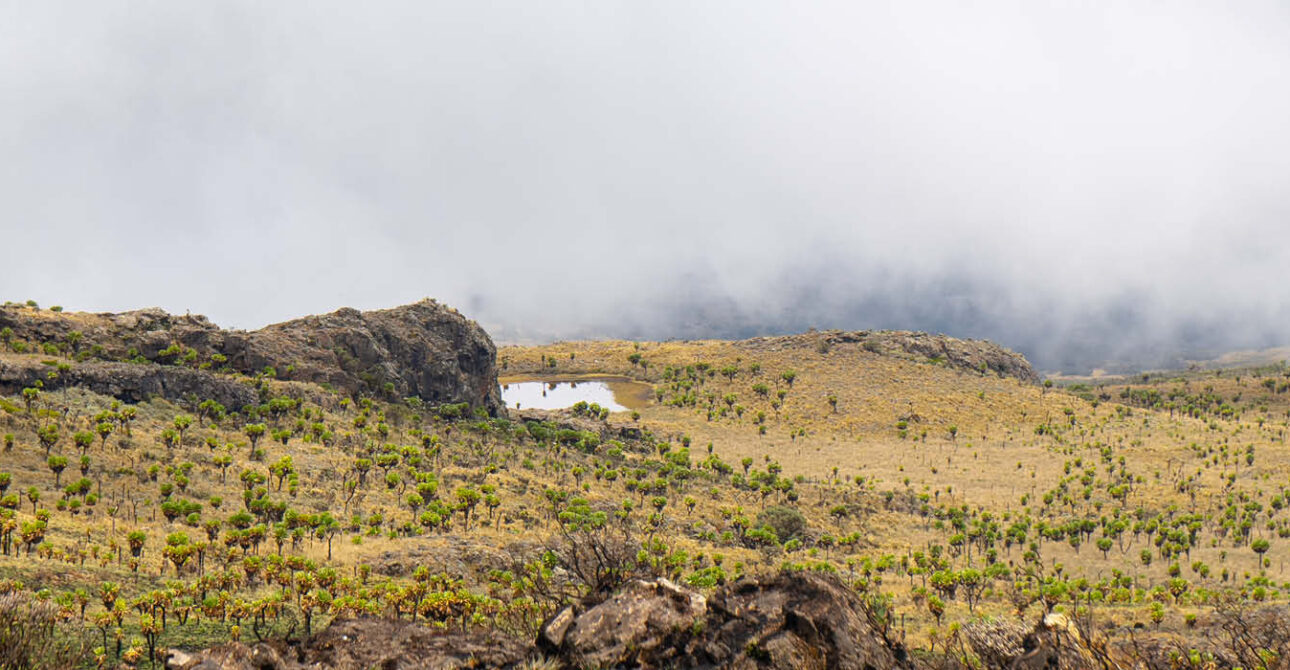
One of Mount Elgon’s distinctive features is the transition between vegetation zones as altitude increases. Lower mountain slopes support forest habitats, while higher elevations include bamboo, heath and open moorland.
Specialised plants adapted to cooler temperatures, exposed conditions and mountain soils occur in the upper zones. These changes are particularly noticeable on multi-day treks, allowing visitors to experience several ecological environments within a single mountain expedition.
Where to Stay in Mount Elgon National Park
Accommodation for visitors to Mount Elgon National Park is generally found outside the protected area, with basic designated camping facilities available along established mountain trekking routes.
The most suitable base depends on your selected trail, preferred comfort level and the activities included in your itinerary.
Sipi Falls Area
The Sipi Falls area is an appealing base for visitors combining Mount Elgon hiking with waterfall walks, coffee experiences and scenic relaxation. Accommodation ranges from smaller guesthouses to established lodges overlooking the surrounding highlands. This area can suit travellers accessing the Sipi Trail or planning shorter mountain excursions.
Mbale City
Mbale provides a practical accommodation and transport base for visitors approaching Mount Elgon from western Uganda or Kampala. Its hotels and guesthouses can be useful for overnight stays before or after a mountain expedition, particularly for travellers arranging transport, equipment and onward connections.
Budadiri and the Sasa Trailhead
Budadiri is an important starting point for the Sasa Trail. Accommodation options in and around the area may be more limited than in Mbale or Sipi. Travellers planning an early departure should confirm the location and suitability of their accommodation, as well as the arrangements for meeting their trekking team.
Kapchorwa Highlands
Kapchorwa and its surrounding highlands offer accommodation options for visitors exploring the wider Mount Elgon Region. This area is suitable for combining scenic landscapes, community experiences and selected mountain activities. Transfer arrangements should be checked against the specific park entrance or trekking trailhead.
Mountain Campsites
Visitors undertaking multi-day treks generally stay at designated mountain campsites along the approved routes. These facilities are basic and should not be confused with conventional safari lodges. Camping equipment, food, cooking arrangements and porter services should be organised before the trek.
How to choose: Select accommodation based on your trekking route and the correct starting point, rather than distance from Mount Elgon on a map alone. Explore our Accommodation Collection and Safari Travel Styles when planning your wider Uganda journey.
Best Time to Visit Mount Elgon National Park
Mount Elgon National Park can be visited throughout the year, although weather conditions have an important influence on mountain trekking and forest exploration.
The relatively drier periods, particularly December to February and June to August, are commonly preferred for hiking. During these months, some trails may be easier to navigate, and clearer conditions can improve opportunities for enjoying mountain scenery.
Rainfall remains possible throughout the year, especially at higher elevations. Wetter periods can bring muddy trails, slippery rocks, reduced visibility and more demanding walking conditions. Forest vegetation can be particularly lush during these months, appealing to visitors interested in nature photography and mountain ecology.
Temperature also changes considerably with elevation. Conditions around lower trailheads may feel mild, while summit areas and overnight camps can be cold, windy and exposed.
Visitors planning a multi-day trek should carry waterproof clothing, warm layers, sturdy hiking boots and suitable camping equipment. The best travel period should be considered alongside fitness, route difficulty and the amount of time available for the expedition.
How to Get to Mount Elgon National Park
Mount Elgon National Park is located in eastern Uganda, and most visitors reach its principal access areas by road. The appropriate route depends on the selected trekking trail, accommodation location and the other destinations included in your safari.
By Road from Kampala or Entebbe
Travellers commonly approach Mount Elgon by road from Kampala or Entebbe, travelling east through Jinja towards Mbale. The journey from Kampala to Mbale typically takes approximately four to five hours under favourable conditions, with additional travel required to reach Sipi, Budadiri, Kapkwata or another designated access point.
Road conditions, traffic and stops can affect the total journey time. A private safari vehicle provides flexibility for luggage, trekking equipment and transfers.
By Road from Jinja
Jinja provides a convenient starting point for travellers combining Nile River experiences with Mount Elgon National Park. From Jinja, visitors continue east towards Mbale before proceeding to their selected accommodation or trekking trailhead. This combination can work particularly well within a longer eastern Uganda itinerary.
Accessing Mount Elgon Trekking Trailheads
The principal trailheads require different road approaches. The Sasa Trail begins around Budadiri, the Sipi Trail is associated with the Kapkwai Forest Exploration Centre, and the Piswa Trail approaches the mountain from Kapkwata.
Confirm the designated starting point with your guide before arranging accommodation or transfers. Some approach roads may be affected by rainfall and changing conditions.
By Domestic or Charter Flight
Road transport is the standard means of reaching Mount Elgon National Park. Private charter aviation may be considered for specialised travel arrangements, subject to suitable airstrip access, operator approval and onward road transfers. Travellers should not assume that regular scheduled domestic flights serve the park. For most itineraries, a private road transfer is the more practical option.
Connecting from Other Safari Destinations
Mount Elgon can be incorporated into itineraries featuring Jinja, Pian Upe Wildlife Reserve, Karamoja or Kidepo Valley National Park. The order of destinations should account for road distances, trekking duration and recovery time after a mountain expedition. Allow sufficient time between demanding hikes and long road transfers to keep the journey comfortable.
Safari Packages Featuring Mount Elgon National Park
Explore Uganda safari packages that combine Mount Elgon National Park with mountain trekking, nature experiences and other destinations in eastern Uganda. Depending on the itinerary, a visit may focus on a multi-day Wagagai Peak expedition or include shorter guided forest walks alongside Sipi Falls, cultural experiences and other regional attractions.
Heritage Trails


Combine Mount Elgon National Park with Other Destinations
Mount Elgon National Park can form part of a wider eastern Uganda safari, bringing together mountain adventure, scenic landscapes, wildlife and cultural experiences. The most suitable combination depends on your trekking plans, travel duration and preferred pace.
Mount Elgon National Park and Sipi Falls
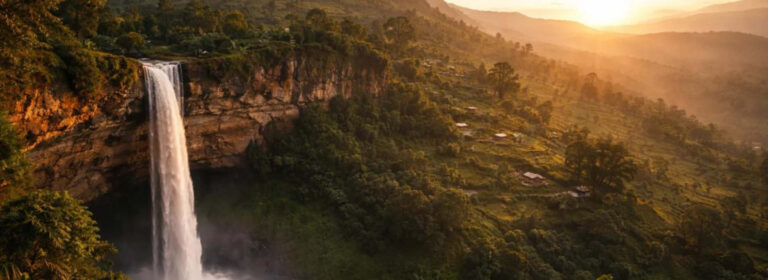
Combine mountain hiking with the waterfalls, scenic viewpoints and coffee-growing communities around Sipi. This is one of the most natural combinations for visitors exploring the wider Mount Elgon Region. Sipi Falls can provide a relaxed introduction to the highlands before a trek or a scenic extension after descending the mountain.
Mount Elgon National Park and Jinja
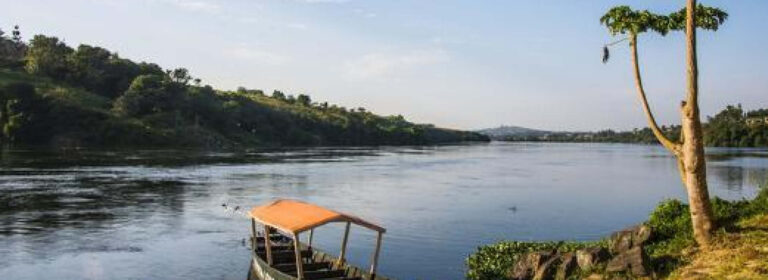
Pair Mount Elgon’s forests and volcanic landscapes with the Nile River experiences available in Jinja. This combination brings together two contrasting sides of eastern Uganda: mountain trekking and river-based adventure. It can suit travellers who want an active itinerary without covering the full length of Uganda.
Mount Elgon National Park and Pian Upe Wildlife Reserve
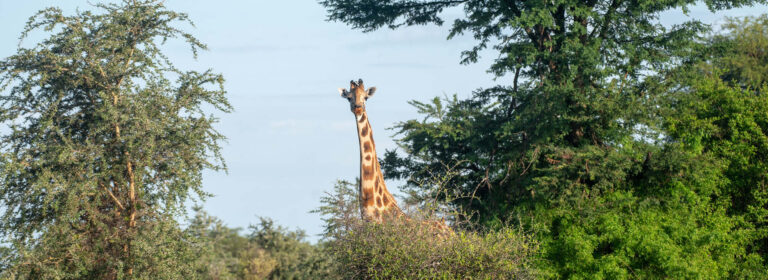
Combine mountain exploration with the open grasslands and wildlife habitats of Pian Upe Wildlife Reserve. The contrast between Mount Elgon’s forested slopes and Pian Upe’s more open landscapes creates a varied nature-based journey. Travellers should allow sufficient time for road transfers and confirm the activities available at each destination.
Mount Elgon National Park and Karamoja Region
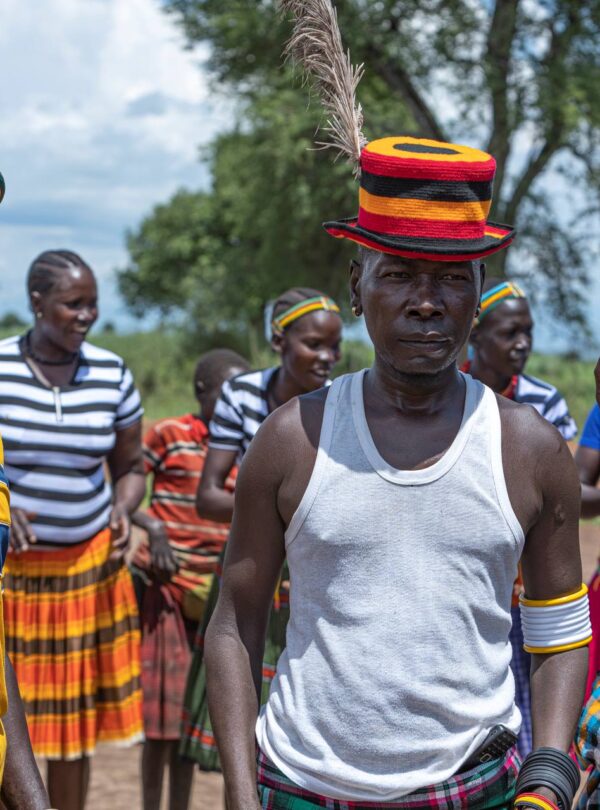
Extend your journey into Karamoja Region to explore the landscapes and cultural heritage of northeastern Uganda. This combination can appeal to travellers interested in mountain scenery, photography and responsibly arranged community experiences. A longer itinerary may continue towards Kidepo Valley National Park, subject to available time and the preferred travel route.

Responsible Travel in Mount Elgon National Park
Responsible travel in Mount Elgon National Park begins with protecting its mountain habitats, respecting local communities and following the regulations governing activities inside the protected area.
Visitors should use authorised guides, remain on designated trails and avoid disturbing wildlife or damaging vegetation. Waste should be carried out of the mountain, while camping and cooking should take place only in approved locations under the applicable park rules.
Mountain ecosystems can be particularly sensitive to trampling, litter and uncontrolled fires. Travellers should also respect the cultural significance of particular sites and obtain permission before photographing community members or participating in local traditions.
For official park regulations and conservation information, consult the Uganda Wildlife Authority. The Uganda Tourism Board provides broader destination guidance and tourism information. Choosing responsible local guides, porters and community-based experiences can help ensure that tourism contributes to livelihoods while supporting the long-term protection of Mount Elgon’s natural environment.
Frequently Asked Questions About Mount Elgon National Park
Mount Elgon National Park is located in eastern Uganda along the border with Kenya. The park protects part of Mount Elgon, an ancient volcanic mountain accessible from areas including Mbale, Budadiri, Kapkwai and Kapkwata. The most suitable approach depends on the activity and trekking route selected.
Mount Elgon National Park is best known for mountain hiking, Wagagai Peak, its extensive volcanic caldera and distinctive high-altitude landscapes. The park also offers birdwatching, guided nature walks, forest exploration and opportunities to discover volcanic caves.
Mount Elgon’s highest point is Wagagai Peak, approximately 4,321 metres above sea level. Visitors can reach the summit through established multi-day trekking routes. Although technical climbing is generally unnecessary on the standard routes, the expedition requires suitable fitness, equipment and preparation for altitude and changing weather.
The duration depends on the selected trail and itinerary. A Sasa Trail summit trek commonly takes around three to four days, while longer routes such as Sipi and Piswa may require approximately four to seven days. Shorter forest walks are also available for visitors who do not intend to reach the summit.
The most suitable trail depends on fitness, available time and preferred scenery. The Sasa Trail is relatively direct but includes a demanding ascent. The Sipi Trail offers varied forest and mountain landscapes, while the Piswa Trail is generally associated with a more gradual approach. Confirm current route arrangements before selecting a trek.
Difficulty varies by route. Short guided nature walks can be suitable for visitors with moderate fitness, while multi-day summit treks involve sustained walking, steep or uneven terrain and exposure to high-altitude weather. Travellers should discuss fitness, experience and equipment with their trekking operator before booking.
Yes. Visitors can enjoy selected guided forest walks, birdwatching and nature exploration without undertaking a multi-day summit expedition. The Kapkwai area is associated with shorter forest experiences, subject to current park arrangements.
The relatively drier months, particularly December to February and June to August, are commonly preferred for mountain hiking. However, rainfall and cold conditions remain possible throughout the year, especially at higher elevations. Appropriate clothing and flexible planning are important in every season.
Accommodation is available in surrounding areas such as Sipi Falls, Mbale, Kapchorwa and Budadiri. The best location depends on your chosen trekking trail. Multi-day expeditions generally involve overnight stays at designated mountain campsites rather than conventional lodges inside the park.
Yes. Mount Elgon supports forest and mountain wildlife, including various mammals, primates and bird species. However, sightings of larger mammals are unpredictable. The park is primarily a hiking, birdwatching and nature destination rather than a conventional savannah wildlife-viewing park.
Most visitors travel by road from Kampala through Jinja towards Mbale, then continue to their selected trekking trailhead or accommodation. The drive to Mbale commonly takes approximately four to five hours, with additional time needed to reach the park’s access areas.
Yes. Mount Elgon National Park combines naturally with Sipi Falls and Jinja. Travellers can enjoy mountain trekking, waterfall walks, coffee experiences and Nile River activities within a carefully planned eastern Uganda itinerary. Additional time allows extensions towards Pian Upe, Karamoja or Kidepo Valley National Park.
Plan Your Visit to Mount Elgon National Park
Plan your visit to Mount Elgon National Park by selecting the right trekking route, considering your fitness and arranging suitable accommodation, guiding and transport.
Njagi Safaris can help you organise a private Uganda journey combining Mount Elgon’s mountain landscapes with Sipi Falls, Jinja and other destinations in eastern Uganda. Your itinerary can be tailored around shorter nature experiences or a more demanding multi-day trekking expedition.
Share your preferred travel dates, group size, hiking interests and accommodation preferences through the enquiry form below. Our team will help you develop a practical itinerary that reflects your interests and available time.