Acholi Region
Acholi Region is one of northern Uganda’s most culturally distinctive destinations, celebrated for its traditional heritage, historical landmarks, open landscapes and the enduring identity of the Acholi people. Centred around Gulu and extending across several districts of northern Uganda, the region offers travellers an opportunity to explore an important part of the country’s cultural and historical landscape.
From traditional music and dance to guided heritage visits, community experiences and scenic excursions, Acholi Region provides a different perspective on Uganda beyond its national parks. Its history, cultural institutions and contemporary communities make it particularly rewarding for travellers interested in heritage, local traditions and meaningful encounters.
The region can also form part of a wider northern Uganda safari, connecting cultural exploration with wildlife destinations such as Murchison Falls National Park and Kidepo Valley National Park.
Acholi Region at a Glance
- Location: Northern Uganda, with Gulu serving as a principal urban and transport centre.
Landscape: Open savannah, agricultural countryside, rocky hills, seasonal wetlands and scattered woodland.
Best known for: Acholi cultural heritage, traditional institutions, Gulu and historical landmarks such as Fort Patiko.
Other experiences: Cultural encounters, historical interpretation, traditional music and dance, community visits and selected nature excursions.
Principal visitor areas: Gulu, Fort Patiko, selected Acholi cultural centres and surrounding rural communities.
Safari style: Suitable for private, tailor-made cultural journeys, heritage-focused travel and longer northern Uganda safari itineraries.
Planning priority: Confirm heritage-site access, community arrangements, local guide availability and onward transport before finalising the itinerary.
A region of cultural and historical importance: Acholi Region has a distinctive identity shaped by traditional chiefdoms, oral history, community institutions and the experiences of northern Uganda through different historical periods. Its cultural heritage remains visible in language, ceremonies, music, storytelling and community life.
Acholi is more than a stopover between wildlife destinations. Its communities, heritage sites and changing landscapes make it a destination worth exploring with time, cultural sensitivity and knowledgeable local guidance.
Why Visit Acholi Region?
The appeal of Acholi Region begins with its cultural identity and the opportunity to learn about the traditions of the Acholi people. Through appropriately arranged visits, travellers can discover the role of traditional leadership, the importance of family and community relationships, and the ways cultural practices continue to shape contemporary life.
The region also offers important historical perspectives. Fort Patiko, near Gulu, is associated with nineteenth-century regional history and the activities of slave traders before becoming a British colonial military station. Its rocky landscape and surviving historical features provide a setting for guided interpretation.
Beyond historical landmarks, Acholi Region offers rural scenery, local markets, traditional food and opportunities to experience community life. Travellers interested in music, dance and storytelling can gain additional cultural insight through locally organised experiences.
For visitors planning a longer journey, Acholi can complement northern Uganda’s wildlife destinations. Combining cultural exploration with savannah wildlife viewing creates a broader understanding of the country’s landscapes and communities.
Explore our Uganda Safari Destinations for additional cultural and natural attractions.
Things to Do in Acholi Region
Acholi Region offers cultural, historical and scenic experiences that can be incorporated into a wider Uganda safari. The most suitable activities depend on your interests, available time, local guide arrangements and access to individual attractions.
Explore Acholi Cultural Heritage
Acholi cultural heritage is expressed through traditional leadership, language, music, ceremonies, storytelling and community practices. Guided cultural experiences can introduce visitors to the history of Acholi chiefdoms, the role of elders and the importance of social customs in community life.
These visits are most meaningful when organised through knowledgeable local hosts who can explain cultural practices in their proper context.
Visit Fort Patiko
Fort Patiko, also known as Baker’s Fort, is one of the best-known historical landmarks near Gulu. The site is associated with nineteenth-century history, including slave-trading activity in the region and the later establishment of a military station under British colonial administration.
Visitors can explore the rocky landscape and historical remains while learning about the site’s complex past through local interpretation.
Discover Gulu City
Gulu is the principal urban centre of Acholi Region and an important gateway to northern Uganda. A guided visit can introduce travellers to local markets, contemporary urban life, cultural institutions and the city’s role in regional trade, education and community development.
Gulu also provides accommodation, transport services and a practical starting point for excursions into surrounding districts.
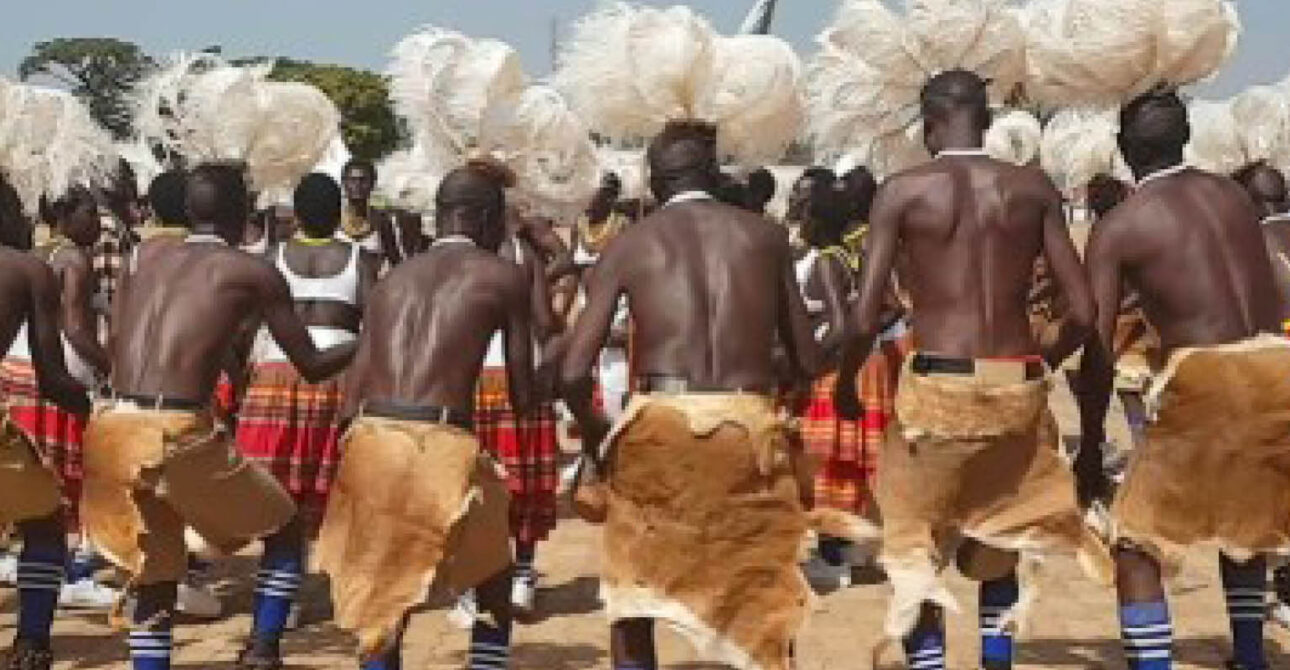
Experience Traditional Acholi Music and Dance
Traditional music and dance are important expressions of Acholi cultural identity. Performances may include the Larakaraka courtship dance and Bwola, a ceremonial dance associated with Acholi cultural traditions.
Appropriately arranged performances provide opportunities to appreciate the rhythms, movements and cultural meanings of these traditions while supporting local performers.
Explore Community Life and Local Traditions
Community-based experiences can introduce visitors to agricultural livelihoods, traditional food preparation, craftsmanship and everyday life in Acholi villages. Such encounters are best arranged through locally led initiatives that respect residents’ privacy, time and cultural expectations.
Visitors should seek permission before taking photographs and ensure that participation provides meaningful benefits to the host community.
Discover Acholi Food and Culinary Traditions
Food offers another perspective on Acholi culture. Visitors may encounter regional staples, vegetables, groundnut-based dishes and locally prepared foods that reflect northern Uganda’s agricultural traditions.
Guided market visits or meals arranged through suitable local hosts can introduce travellers to ingredients, preparation methods and the social role of food in Acholi communities.
Explore Scenic Landscapes and Rocky Hills
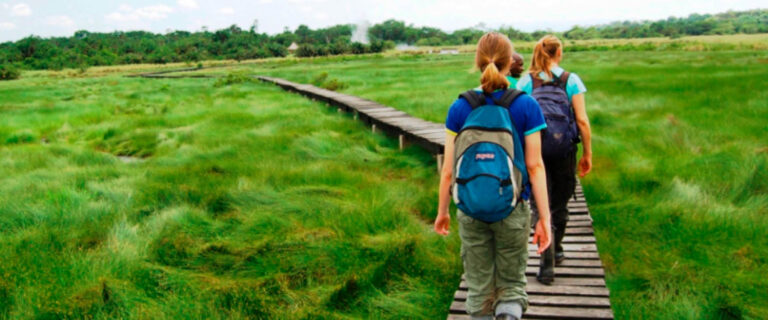
Acholi Region includes open countryside, rocky formations, woodland and seasonal wetlands that provide opportunities for scenic exploration. The landscapes around Fort Patiko are particularly notable for their rocky terrain and historical associations.
Guided excursions can combine landscape appreciation with cultural interpretation, although access to individual locations should be confirmed before travel.
Birdwatching and Nature Excursions
The region’s agricultural landscapes, wetlands, grasslands and wooded areas support a variety of birdlife. Birdwatching can complement cultural visits, particularly for travellers interested in exploring northern Uganda’s habitats beyond established national parks.
Species sightings depend on the location, season and natural conditions. Specialist birders should arrange suitable local guiding and confirm access to the selected sites.


Acholi Cultural and Historical Visitor Areas
Understanding the main visitor areas of Acholi Region helps travellers plan a journey that brings together cultural heritage, historical interpretation and contemporary community life.
Unlike a national park with designated visitor sectors, Acholi’s attractions are distributed across towns, traditional cultural institutions and rural landscapes. Access to individual sites and experiences can vary.
Gulu City
Gulu is the region’s principal urban gateway and a practical base for exploring Acholi heritage. The city offers accommodation, local markets, restaurants and access to selected cultural and historical attractions.
It also provides connections to other parts of northern Uganda, making it suitable for travellers incorporating Acholi Region into a longer itinerary.
Fort Patiko Historical Site
Fort Patiko is located north of Gulu and is recognised for its association with nineteenth-century regional history. Its rocky formations and historical remains provide opportunities to learn about the activities of slave traders, the involvement of Samuel Baker and subsequent colonial developments.
A guided visit is recommended to understand the site’s historical context and distinguish documented events from local traditions.
Ker Kwaro Acholi Cultural Institution
Ker Kwaro Acholi represents the traditional cultural institution associated with Acholi leadership and heritage. The institution plays a role in preserving cultural identity, customary traditions and the significance of traditional chiefs within Acholi society.
Visitors interested in cultural institutions should arrange appropriate introductions or guided interpretation rather than assuming unrestricted access to administrative or ceremonial premises.
Rural Acholi Communities
Communities across Acholi Region preserve aspects of local language, food traditions, agriculture, craftsmanship and cultural practices. Appropriately organised community visits can provide insight into everyday life and the relationship between heritage and contemporary livelihoods.
Rocky Landscapes and Countryside Around Gulu
The countryside surrounding Gulu includes rocky hills, agricultural settlements and open landscapes characteristic of parts of northern Uganda. Visitors should use suitable local guides and avoid entering privately managed land or culturally sensitive areas without permission.
Wildlife, Landscapes and Cultural Heritage
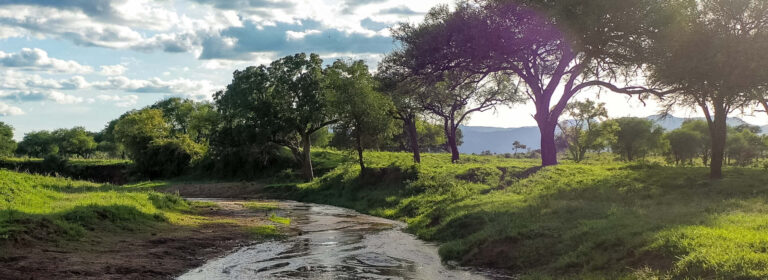
Acholi Region is characterised by a combination of open savannah, cultivated landscapes, seasonal wetlands, wooded areas and rocky formations. These environments reflect the transition between northern Uganda’s agricultural communities and the wider savannah ecosystems associated with the country’s northern wildlife destinations.
Although Acholi Region is not itself a protected wildlife area, its varied habitats support birds, smaller mammals, reptiles and other wildlife. Natural encounters depend on the location, land use and level of human activity.
The region’s landscapes are also closely connected to its cultural heritage. Agriculture, livestock keeping, traditional settlement patterns and community relationships have shaped local livelihoods over generations. Historical sites such as Fort Patiko demonstrate how the physical landscape has influenced the region’s history.
For travellers, exploring Acholi offers an opportunity to appreciate the relationship between people, culture and the environment. Guided cultural visits, scenic excursions and nature experiences can be combined to create a more complete understanding of northern Uganda.
Birdlife of Northern Uganda
Acholi’s wetlands, grasslands, wooded areas and agricultural landscapes provide habitats for a variety of bird species. Visitors may observe birds associated with open country, seasonal water sources and savannah environments, although sightings vary according to habitat and weather conditions.
Birdwatching around Gulu and selected rural areas can complement cultural excursions. Travellers seeking specialised birding experiences should discuss suitable locations, guiding arrangements and seasonal conditions before finalising their itinerary.
Acholi Cultural Identity and Traditional Leadership
Acholi cultural identity is closely associated with the Luo language heritage, traditional chiefdoms and community institutions. The Acholi language, commonly known as Leb Acholi, remains an important means of communication, storytelling and cultural expression.
Traditional leadership institutions, including Ker Kwaro Acholi, contribute to the preservation of customary practices and cultural identity. Visitors can learn about these traditions through knowledgeable cultural guides and community-led experiences that explain their significance within contemporary Acholi society.
Where to Stay in Acholi Region
Choosing where to stay in Acholi Region begins with identifying the cultural attractions and historical sites you intend to visit. Accommodation is concentrated around Gulu, with additional options in selected towns and along the wider northern Uganda travel circuit.
Available properties range from guesthouses and comfortable hotels to selected higher-comfort accommodation. The most suitable choice depends on your preferred travel style, transport arrangements and the amount of time allocated to cultural exploration.
Gulu City Centre
Gulu City Centre is a practical base for travellers interested in urban experiences, local markets, restaurants and cultural excursions. Staying centrally provides convenient access to services and transport connections, making it suitable for short cultural visits or overnight stops on longer northern Uganda itineraries.
Gulu’s Residential and Outlying Areas
Accommodation in quieter neighbourhoods around Gulu may appeal to visitors seeking a more relaxed setting away from the busiest commercial streets. These locations can provide a comfortable base for private cultural journeys, especially when transport is arranged in advance. The distance to Fort Patiko and other attractions should be considered when planning daily excursions.
Areas Near Fort Patiko
Travellers particularly interested in Fort Patiko may consider accommodation in Gulu or other suitable locations with reliable road access to the historical site. A guided day excursion from Gulu is generally a practical approach, subject to current road conditions and access arrangements.
Kitgum and Surrounding Areas
Kitgum is another important town within Acholi Region and may suit travellers exploring the northeastern parts of the region. Accommodation options can support journeys connecting cultural experiences with destinations farther north and east. The suitability of Kitgum as a base depends on the planned route and the specific communities or attractions being visited.
Northern Uganda Safari Circuit
Travellers combining Acholi Region with Murchison Falls National Park or Kidepo Valley National Park may choose accommodation along their wider safari route. However, accommodation near a national park should not automatically be described as being within Acholi Region.
How to choose: Match your accommodation to your planned cultural visits, preferred comfort level and onward travel route. Explore our Safari Itineraries, Accommodation Collection and Travel Styles when planning your journey.
Best Time to Visit Acholi Region
The best time to visit Acholi Region depends on your preferred activities, travel dates and the cultural experiences you intend to include. The region can be explored throughout the year, although seasonal rainfall influences road conditions, rural excursions and the appearance of the surrounding landscapes.
Northern Uganda generally experiences a pronounced dry season from approximately December to February, with wetter conditions occurring across much of the period from March to November. Rainfall patterns vary, and short dry intervals can occur during the wetter months.
Drier conditions can be convenient for visiting Fort Patiko, exploring Gulu and travelling along rural roads. They may also make it easier to combine cultural excursions with longer journeys towards northern Uganda’s wildlife destinations.
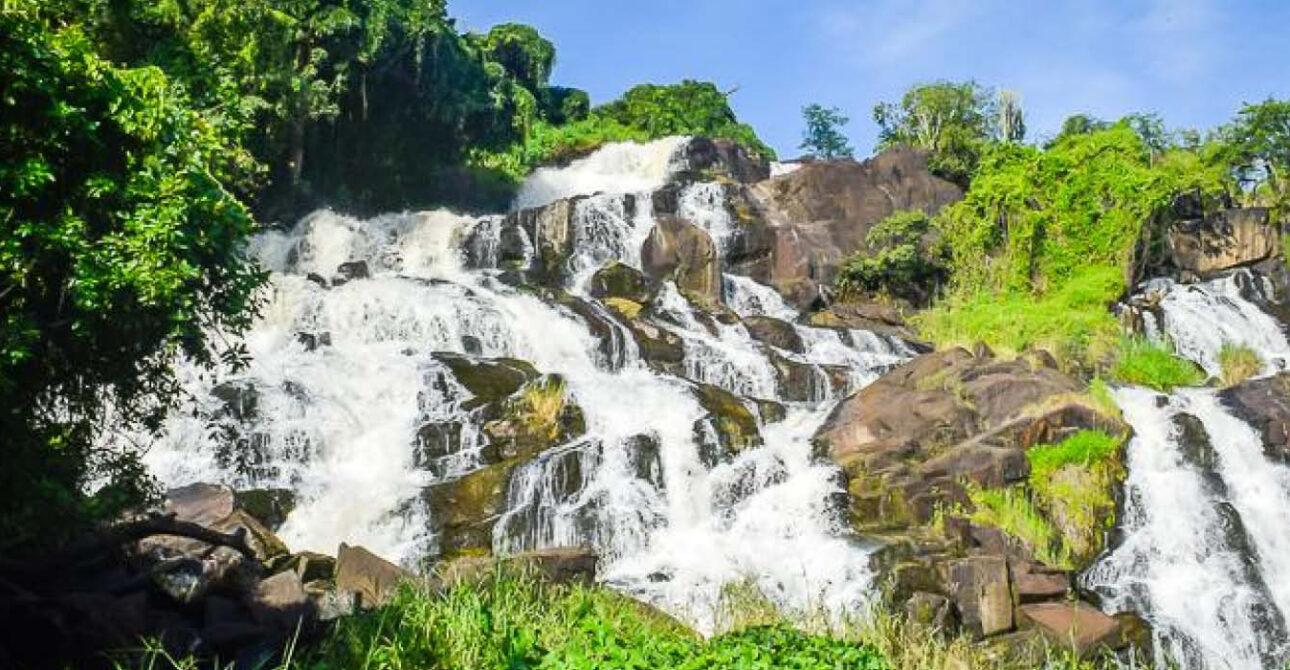
The wetter months bring greener vegetation and changing agricultural landscapes, which may appeal to visitors interested in photography, rural life and birdwatching. However, some unpaved roads can become difficult after heavy rainfall.
Cultural experiences are not restricted to a particular season. Travellers interested in traditional ceremonies, organised performances or community events should confirm dates and access arrangements before planning their visit.
For a comfortable journey, carry lightweight clothing, sun protection, comfortable walking shoes and rain protection. Discuss road conditions and the timing of outdoor activities with your safari operator before departure.
How to Get to Acholi Region
Reaching Acholi Region generally involves travelling to Gulu or another suitable town in northern Uganda. The best route depends on your starting point, the attractions you intend to visit and the other destinations included in your itinerary.
By Road from Kampala or Entebbe
Many visitors travel by road from Kampala towards Gulu through central and northern Uganda. The journey generally takes most of a day, depending on traffic, road conditions and stops along the way.
Travellers arriving at Entebbe International Airport should also allow time for the transfer from Entebbe. Private road transport is a practical option for visitors carrying luggage or planning cultural excursions beyond Gulu.
By Private Safari Vehicle
A private safari vehicle provides flexibility for exploring Acholi Region’s historical landmarks, rural communities and scenic landscapes. This arrangement allows travellers to incorporate stops at suitable attractions, including Fort Patiko, and continue towards other northern Uganda destinations. A carefully planned route should consider road conditions, travel distances and the availability of local cultural guides.
By Domestic or Charter Flight
Domestic and charter aviation arrangements may provide access to Gulu or other suitable airstrips in northern Uganda, depending on the operator and current flight availability. Travellers should not assume that regular scheduled passenger services operate on their preferred dates. Flight availability, baggage restrictions and onward road transfers must be confirmed before booking.
Connecting from Other Safari Destinations
Acholi Region can be incorporated into a longer northern Uganda safari featuring Murchison Falls National Park, Kidepo Valley National Park or other destinations.
The most suitable route depends on the location of your accommodation, the attractions selected and the amount of time available. Allow sufficient time for transfers, particularly when travelling between Gulu, Kitgum and more remote safari destinations.
Safari Packages Featuring Acholi Region
Explore Uganda safari packages that can incorporate Acholi Region’s cultural heritage, historical landmarks and scenic landscapes alongside wildlife experiences in northern Uganda. Depending on the itinerary, a visit may focus on Gulu and Fort Patiko or form part of a longer journey connecting cultural exploration with Murchison Falls National Park or Kidepo Valley National Park.
Acholi Region can be particularly rewarding for travellers seeking a broader understanding of northern Uganda beyond wildlife viewing.
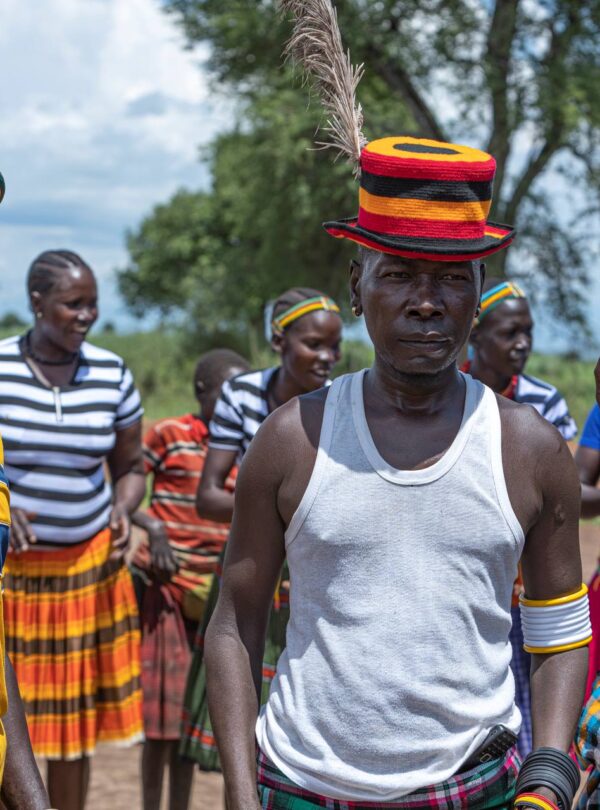
Heritage Trails

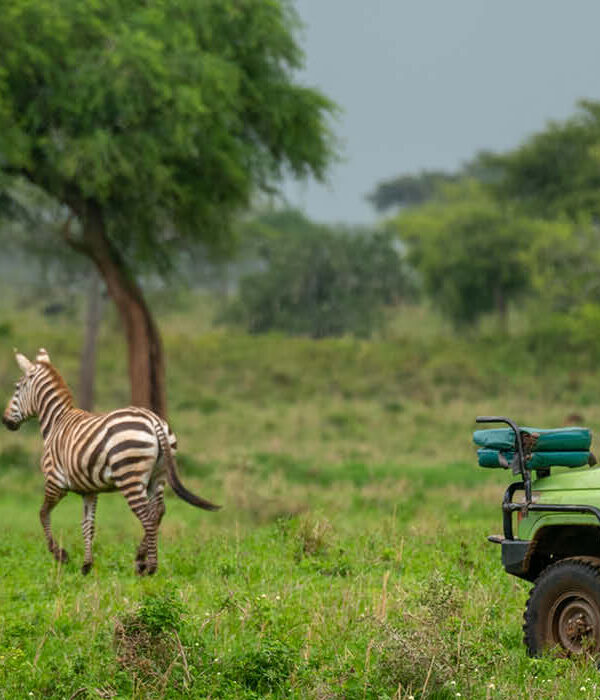
Combine Acholi Region with Other Destinations
Combining Acholi Region with other destinations can create a varied Uganda safari that brings together cultural heritage, historical exploration, savannah wildlife and scenic landscapes. The most suitable combination depends on your available time, travel route and preferred experiences.
Acholi Region and Murchison Falls National Park
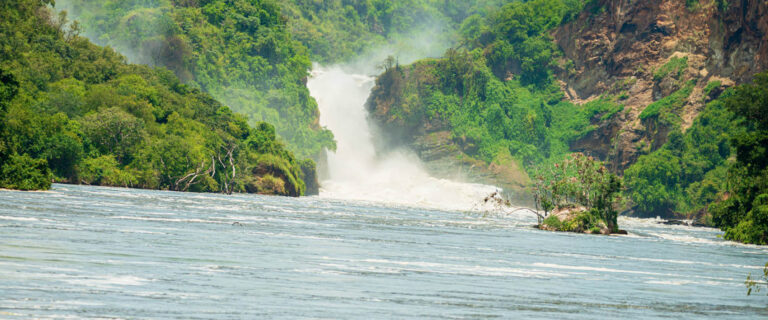
Combine Acholi cultural experiences with wildlife viewing in Murchison Falls National Park. This pairing introduces travellers to the cultural heritage of northern Uganda alongside savannah wildlife, Nile River excursions and the dramatic scenery of Murchison Falls.
The national park extends across areas associated with different communities and administrative regions, so its attractions should be distinguished from Acholi cultural sites.
Acholi Region and Kidepo Valley National Park
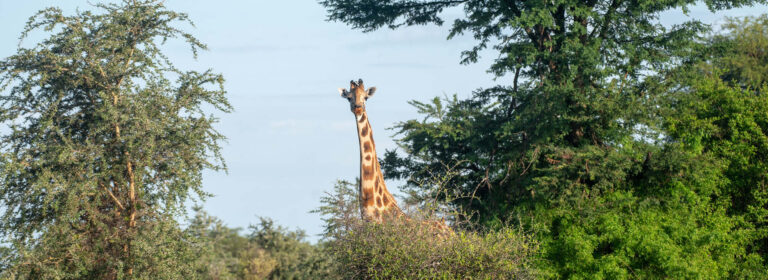
Kidepo Valley National Park offers dramatic savannah landscapes and wildlife experiences in northeastern Uganda. Combining Acholi Region with Kidepo can create a journey that includes cultural exploration around Gulu or Kitgum before continuing towards the Karamoja region. The route requires careful planning because of the distances involved and the condition of connecting roads.
Acholi Region and Karamoja Region
Travellers interested in Uganda’s cultural diversity can combine Acholi Region with Karamoja Region. This combination provides opportunities to learn about different community traditions, livelihoods and cultural identities within northern and northeastern Uganda. Experiences should be arranged through knowledgeable local guides and responsible community-based providers.
Acholi Region and Other Northern Uganda Destinations
Travellers with additional time can explore other historical, scenic and cultural attractions across northern Uganda. The final route may include selected towns, river landscapes, community experiences and wildlife destinations, depending on interests and travel conditions.
A well-planned itinerary should balance cultural visits with realistic driving times and opportunities to experience each destination at a comfortable pace.
Responsible Travel in Acholi Region
Visiting Acholi Region offers an opportunity to experience northern Uganda’s cultural heritage while supporting the communities that preserve its traditions. Responsible tourism begins with respecting local customs, traditional leadership institutions and the cultural significance of historical sites. The Ker Kwaro Acholi cultural institution plays an important role in preserving Acholi traditions, customary leadership and cultural identity.
During cultural visits, follow your local guide’s instructions, seek permission before photographing people or private spaces, and respect restrictions around ceremonies and culturally sensitive locations. Choose community-led experiences that provide meaningful benefits to local residents and approach discussions about the region’s history with sensitivity.
Acholi’s history includes periods of conflict and displacement, making respectful interpretation particularly important. Visitors should avoid treating places associated with suffering or recovery as entertainment and instead support experiences that prioritise community voices and informed historical understanding.
When exploring Fort Patiko, rural landscapes or natural habitats, avoid damaging historical features, disturbing wildlife or leaving waste behind. Travellers combining Acholi with protected areas should follow the conservation guidance provided by the Uganda Wildlife Authority. For broader destination information, consult the Uganda Tourism Board.
By travelling thoughtfully, visitors can contribute to cultural preservation, responsible heritage interpretation and sustainable community livelihoods.
Frequently Asked Questions About Acholi Region
Acholi Region is located in northern Uganda, with Gulu serving as its principal urban and transport centre. The region includes several districts associated with the Acholi people and their cultural heritage.
Acholi Region is known for its distinctive cultural traditions, traditional chiefdoms, music and dance, historical landmarks such as Fort Patiko, and the city of Gulu. It also provides access to wider northern Uganda safari routes.
Popular experiences include visiting Fort Patiko, exploring Gulu, learning about Acholi cultural heritage, experiencing traditional music and dance, and arranging guided community visits. Scenic excursions and birdwatching can also complement a cultural journey.
Fort Patiko, also known as Baker’s Fort, is a historical site near Gulu associated with nineteenth-century regional history. It is linked to slave-trading activities, Samuel Baker’s expeditions and later colonial administration. Guided interpretation helps visitors understand its historical significance.
Ker Kwaro Acholi is the traditional cultural institution associated with Acholi leadership and customary heritage. It plays a role in preserving cultural identity, traditional practices and the institution of Acholi chiefdoms.
One or two days can provide an introduction to Gulu, Fort Patiko and selected cultural experiences. Travellers interested in rural community visits or a broader exploration of the region may benefit from additional time.
Acholi Region can be explored throughout the year. The relatively drier months, particularly December to February, are often convenient for road travel and outdoor sightseeing. Cultural activities depend on local arrangements rather than a single tourism season.
Gulu is a practical accommodation base for visitors interested in cultural and historical attractions. Kitgum and selected towns elsewhere in the region may suit longer journeys, depending on the planned route and accommodation availability.
Most travellers reach Acholi Region by road from Kampala towards Gulu. The journey generally takes most of a day, depending on traffic, road conditions and stops. Private transport can be arranged as part of a longer Uganda safari.
Yes. Acholi Region can be combined with Murchison Falls National Park to create a journey featuring cultural heritage, historical sites and savannah wildlife. The route should be planned around the specific attractions, accommodation locations and available time.
Yes. Acholi Region can form part of a northern Uganda itinerary that continues towards Kidepo Valley National Park. Gulu and Kitgum may be useful points along the wider journey, depending on the route. Allow sufficient time for road transfers and wildlife activities.
Plan Your Visit to Acholi Region
Plan your visit to Acholi Region by selecting the cultural experiences, historical landmarks and scenic attractions that interest you most. From Gulu and Fort Patiko to traditional music, community encounters and wider northern Uganda landscapes, the region offers opportunities to explore a distinctive part of Uganda’s heritage.
Njagi Safaris can help organise a private Uganda journey that combines Acholi cultural experiences with wildlife destinations such as Murchison Falls National Park and Kidepo Valley National Park.
Share your preferred travel dates, group size, accommodation preferences and interests through the enquiry form below. Our team will help you develop a practical itinerary that respects local cultural arrangements and fits your wider safari plans.