
Semuliki National Park
Semuliki National Park is one of Uganda’s most distinctive forest destinations, known for its lowland tropical rainforest, extraordinary birdlife, Sempaya Hot Springs and strong ecological connections with Central Africa. Located in Bundibugyo District in western Uganda, the park protects part of the eastern extension of the Ituri Forest and offers a different natural environment from Uganda’s better-known savannah and mountain forests.
From guided walks to the steaming hot springs and specialist forest birding to nature trails and cultural encounters, Semuliki offers an enriching addition to a western Uganda safari.
Semuliki National Park at a Glance
- Location: Bundibugyo District, western Uganda, within the Semuliki Valley near the Democratic Republic of Congo border.
- Landscape: Lowland tropical rainforest, riverine forest, wetlands, streams and geothermal springs.
- Best known for: Sempaya Hot Springs, Guinea–Congo forest birdlife and its distinctive Central African forest ecosystem.
- Other experiences: Guided forest walks, primate observation, specialist birding and selected cultural and community experiences.
- Main visitor areas: Sempaya Hot Springs, Kirumia Trail, Red Monkey Trail, Ntandi and the Semuliki River.
- Safari style: Suitable for private, tailor-made, nature-focused and specialist birding itineraries, subject to accommodation and activity availability.
- Planning priority: Confirm the activities, trail conditions, guide arrangements and accommodation location before finalising the itinerary.
- A forest with Central African ecological connections: Semuliki protects approximately 220 square kilometres of lowland forest and is recognised for its Guinea–Congo biome bird species, distinctive forest wildlife and geothermal activity. Its forest habitats differ considerably from Uganda’s montane forests, making the park particularly interesting for birdwatchers and travellers exploring Uganda’s biodiversity.
Semuliki is more than a hot springs excursion. Its forest, river habitats, wildlife and surrounding communities make it a destination worth exploring at a considered pace, particularly for visitors combining nature experiences across western Uganda.
Why Visit Semuliki National Park?
Semuliki National Park offers an opportunity to explore a lowland tropical forest with ecological characteristics closely associated with the Congo Basin. The forest’s tall trees, dense vegetation, humid atmosphere and distinctive wildlife create a different experience from Uganda’s open savannah parks and mountainous gorilla habitats.
The Sempaya Hot Springs are the park’s most recognisable attraction. Visitors can observe geothermal activity at the two principal springs, known as Bintente and Nyasimbi, while learning about the geological processes and local cultural traditions associated with the area.
For birdwatchers, Semuliki is especially significant because its forests support bird species associated with the Guinea–Congo biome. Guided forest trails provide opportunities to search for specialised birds, primates, butterflies and other wildlife, although sightings depend on conditions and the time available.
The park also provides a meaningful connection to the wider Semuliki Valley, including the foothills of the Rwenzori Mountains, the Semuliki River and communities with longstanding cultural ties to the landscape. A visit can therefore combine tropical forest exploration, geothermal scenery, birding and cultural discovery within a carefully planned Uganda safari.
Explore our Uganda Safari Destinations.
Things to Do in Semuliki National Park
Semuliki offers a selection of nature-based experiences that can be incorporated into a western Uganda itinerary. The best combination depends on your interests, available time, fitness and the current arrangements for guided activities.
Visit Sempaya Hot Springs
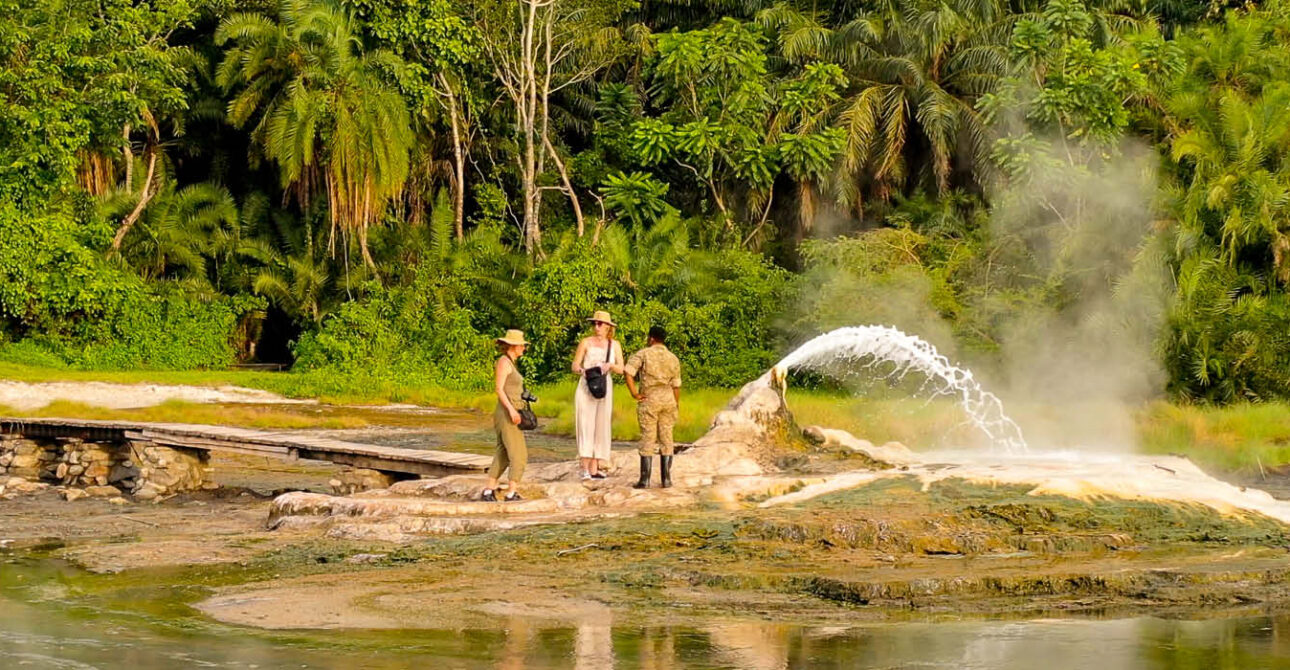
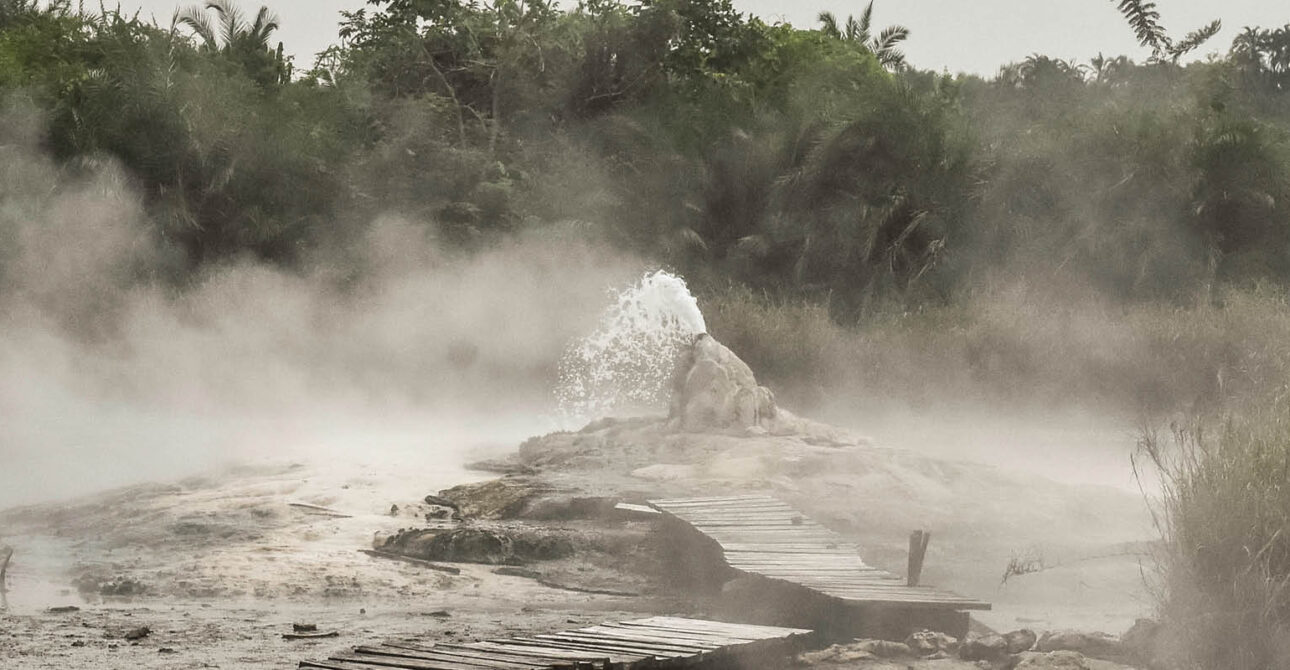
The Sempaya Hot Springs are Semuliki National Park’s signature attraction. Located within the forest, the springs reveal the geothermal activity associated with the Albertine Rift Valley through steaming pools, bubbling water and mineral deposits. Visitors can explore the two principal springs, Bintente and Nyasimbi, on designated guided trails. Bintente is commonly described as the male spring, while Nyasimbi is known as the female spring and is particularly noted for its powerful bubbling and steaming activity.
The surrounding forest adds to the experience, offering opportunities to observe vegetation, birds and occasional primates along the approach. Because the water can reach dangerously high temperatures, visitors must remain on designated paths, follow their guide’s instructions and avoid direct contact with the springs.
Birding in Semuliki National Park
Semuliki National Park birding is one of the strongest reasons to visit the forest, particularly for travellers interested in species associated with the Guinea–Congo biome. Its lowland forest supports birds that are difficult to encounter elsewhere in East Africa. Birding routes around Kirumia, Sempaya and other designated forest areas can provide opportunities to search for hornbills, forest specialists and a variety of other species.
Forest birding requires patience, attentive listening and an experienced guide familiar with the local habitats. Sightings vary with weather, season, trail conditions and bird activity. Visitors with specific target species should discuss their priorities before travel and consider allowing a full day or more for dedicated birding. Explore our Uganda Birding Safaris for related experiences.
Guided Forest Walks and Nature Trails
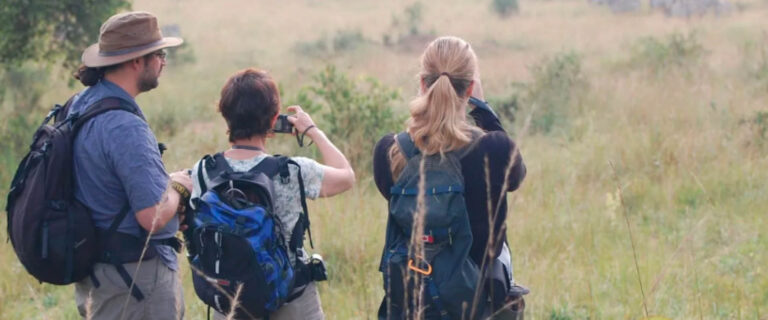
Guided forest walks offer an opportunity to appreciate Semuliki’s rainforest beyond its most famous attractions. The park has established trails through different forest environments, providing opportunities to observe trees, birds, primates, butterflies and other natural features.
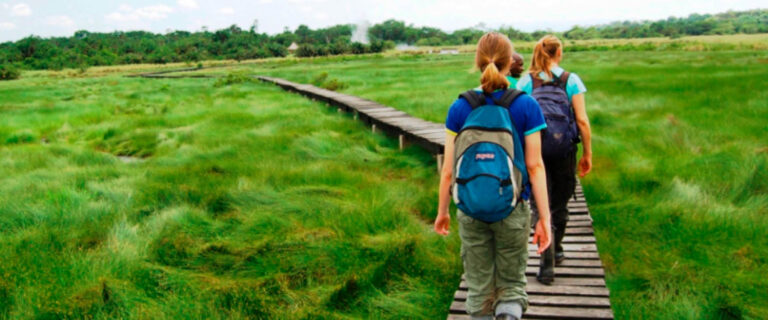
The Kirumia Trail is particularly associated with longer forest walks and specialist birding, while the Red Monkey Trail offers another route through the forest towards the Semuliki River. The Sempaya Nature Trail connects visitors with the hot springs and surrounding habitats.
Explore the Kirumia Trail
The Kirumia Trail is one of Semuliki’s principal forest routes, extending through lowland rainforest towards the Semuliki River. It is especially appealing to dedicated birdwatchers interested in spending more time within the forest. A guided walk provides opportunities to explore changing vegetation, listen for forest birds and observe the smaller details of the ecosystem that are easily missed during shorter excursions.
The trail is relatively long and can be physically demanding, particularly in humid or wet conditions. Visitors should allow sufficient time, carry water and wear appropriate footwear.
Primate and Forest Wildlife Observation
Semuliki’s forest supports several primate species, including monkeys associated with lowland tropical forest habitats. Visitors may encounter primates during guided walks, although sightings depend on the animals’ movements and forest conditions. The park’s wildlife extends beyond primates to include forest mammals, butterflies, reptiles, amphibians and a wide variety of invertebrates.
Unlike Uganda’s major savannah destinations, Semuliki is primarily experienced on foot through designated forest trails. Dense vegetation can limit visibility, so wildlife observation requires patience and realistic expectations.
Cultural and Community Experiences
Communities around Semuliki National Park have longstanding relationships with the forest, surrounding agricultural landscapes and the wider Semuliki Valley. Appropriately arranged visits can introduce travellers to local traditions, cultural heritage, livelihoods and community-based conservation initiatives.
Experiences may involve communities including the Bamba, Bakonzo and Batwa, depending on the location and available programmes. Choose locally led experiences that respect cultural practices and provide meaningful benefits to participating communities. Always request permission before photographing people and follow the guidance of community hosts.

Semuliki National Park Visitor Areas and Forest Trails
Understanding the main visitor areas is important when planning a Semuliki safari. The park’s attractions are spread across forest trails, geothermal sites and river environments, and some activities require considerably more time than a short visit to the hot springs.
Sempaya Hot Springs Area
Sempaya is the principal starting point for visits to the park’s geothermal attractions. Guided trails lead through forest vegetation towards the hot springs, offering a combination of geological interest and nature observation. This area can suit travellers with limited time who want to experience Semuliki’s signature attraction without committing to a longer forest trek.
Kirumia Forest Trail
Kirumia is particularly suited to travellers seeking a longer guided forest experience or dedicated birdwatching. The route passes through rainforest habitats and requires more preparation than the shorter walks around Sempaya.
Plan the activity around current trail conditions, weather and the time required to complete the walk.
Red Monkey Trail and Semuliki River
The Red Monkey Trail explores part of Semuliki’s forest landscape towards the Semuliki River. It offers opportunities to observe vegetation, birds and primates while appreciating the river environment. The route and duration should be confirmed with park authorities, especially during periods of heavy rainfall.
Ntandi and the Forest Edge
Ntandi is associated with park access and nearby communities. The surrounding forest-edge environment can provide opportunities to appreciate the transition between protected forest and settled landscapes. It is also a useful area for understanding the relationship between Semuliki National Park, neighbouring communities and the wider Bundibugyo region.
Important planning note: Semuliki National Park and the nearby Toro–Semliki Wildlife Reserve are separate protected areas. Game drives, some chimpanzee experiences and Lake Albert excursions associated with the reserve should not automatically be presented as activities inside Semuliki National Park.
Wildlife, Forest and Biodiversity
Semuliki National Park protects an ecologically distinctive lowland forest in western Uganda. Its vegetation and wildlife reflect connections with the Guinea–Congo forest region, making it an important complement to Uganda’s savannah, wetland and montane forest destinations.
The park supports a variety of primates, other mammals, birds, butterflies, reptiles, amphibians and plant species. Its humid forest environment provides habitat for wildlife adapted to dense vegetation and tropical lowland conditions. For travellers, wildlife observation in Semuliki is different from a conventional game drive.
Animals can remain concealed within the forest, and sightings may depend on sounds, movement in the canopy or signs along the trail. Conservation of the forest also protects important ecological processes, including water systems, forest habitats and biodiversity associated with the wider Semuliki Valley.
Guinea–Congo Forest Birdlife
Semuliki is particularly important for birdwatchers because it supports species associated with Central African lowland forests. Uganda Wildlife Authority identifies the park as a significant destination for Guinea–Congo regional birds. Birders with particular species targets should plan with a knowledgeable guide and allow sufficient time for careful observation.
Primates and Other Forest Mammals
The forest supports several primate species and other mammals adapted to its tropical habitats. Monkeys may be observed in the canopy or along forest trails, while larger and more elusive animals are generally more difficult to encounter. Visitors should approach wildlife observation with realistic expectations and avoid disturbing animals for closer photographs.
The Semuliki River and Lowland Forest Ecosystem
The Semuliki River forms an important part of the wider landscape, linking forest, wetland and riverine habitats within the Albertine Rift. Together with the forest’s vegetation and waterways, it contributes to the ecological character that distinguishes Semuliki from other Ugandan national parks.
Where to Stay in Semuliki National Park
Choosing where to stay when visiting Semuliki National Park begins with the activities you intend to include and the time available for transfers. Accommodation options are more limited than in Uganda’s major safari circuits, so advance planning is particularly important. Travellers can consider accommodation around Fort Portal, Bundibugyo and selected locations in the wider Semuliki Valley, depending on their preferred itinerary and the available facilities.
Fort Portal and Surrounding Areas
Fort Portal provides a practical base for travellers combining Semuliki with Kibale National Park, crater-lake scenery and other western Uganda experiences. Accommodation choices range across different comfort levels, but a visit to Semuliki from Fort Portal requires additional road travel. Allow enough time for the journey and your planned park activities.
Bundibugyo and Areas Near the Park
Staying closer to Bundibugyo or the park can reduce travel time for selected activities, particularly early forest walks and specialist birding. Accommodation availability and standards vary, so confirm current facilities, meals, access and transport arrangements before booking.
The Wider Semuliki Valley
Some accommodation properties in the wider Semuliki Valley serve experiences associated with Toro–Semliki Wildlife Reserve rather than Semuliki National Park itself. These locations may suit a broader itinerary, but visitors should confirm the distance to Sempaya, the relevant park entrance and the activity meeting points before choosing a lodge.
How to Choose Your Accommodation: Select accommodation based on your confirmed activities, preferred comfort level, available time and the wider safari route. For a short visit to Sempaya, Fort Portal may be convenient within a broader western Uganda itinerary. Dedicated birdwatchers or travellers planning longer forest walks may prefer arrangements that reduce early-morning travel. Njagi Safaris can help coordinate accommodation and transport around the planned forest experiences.
Explore our itineraries, accommodation collection and travel styles to help arrange accommodation and transport around the relevant highland destinations.
Best Time to Visit Semuliki National Park
The best time to visit Semuliki National Park depends on your preferred activities, travel dates and tolerance for humid rainforest conditions. The relatively drier periods, commonly around December to February and June to August, may offer more manageable conditions for some guided forest walks. However, Semuliki is a humid lowland forest, and rainfall can occur throughout the year.
Wetter periods can bring muddy or waterlogged trails, affecting the ease of walking and access to certain forest routes. The rainforest remains lush, but visitors should be prepared for slippery ground, insects and changing conditions. For birdwatchers, seasonal activity, available trails and target species can be as important as rainfall. Discuss the timing of a specialist birding visit with an experienced guide.
Pack lightweight clothing suitable for humid conditions, sturdy walking shoes or boots, rain protection, insect repellent and a small daypack. Carry drinking water and follow the guidance of your ranger or safari operator.
How to Get to Semuliki National Park
Semuliki National Park lies in western Uganda, beyond Fort Portal in the direction of Bundibugyo. The most suitable route depends on your starting point, accommodation, planned activities and the other destinations included in your safari.
By Road
Many visitors travel by private 4×4 safari vehicle from Kampala or Entebbe through Fort Portal before continuing towards Semuliki National Park. The road beyond Fort Portal descends into the Semuliki Valley, offering views of the Rwenzori foothills and the surrounding landscape. Journey times vary with traffic, weather, road conditions and stops along the way. Allow enough time for the final approach, particularly when planning a guided activity that begins at a specific hour.
By Domestic or Charter Flight
Depending on available services and current operating arrangements, travellers may consider domestic or charter flights to a suitable regional airstrip serving western Uganda. A road transfer is still necessary to reach Semuliki National Park and the relevant visitor area. Flight schedules, baggage allowances, airstrip suitability and onward transport must be confirmed before booking.
Connecting from Other Safari Destinations
Semuliki can be incorporated into a longer western Uganda safari that includes Kibale National Park, the Fort Portal crater lakes, the Rwenzori Mountains or Queen Elizabeth National Park. The best route depends on your interests, the number of days available and the location of each planned activity.
A well-designed itinerary can combine rainforest birding, chimpanzee tracking, savannah wildlife and scenic landscapes while avoiding unnecessary backtracking.
Safari Packages Featuring Semuliki National Park
Explore all safari packages that can include Semuliki National Park and match your preferred forest, birding and nature experiences. Depending on the itinerary, a visit may focus on the Sempaya Hot Springs and a guided forest walk or form part of a longer safari combining Semuliki with chimpanzee tracking, birding, scenic landscapes and other western Uganda destinations.
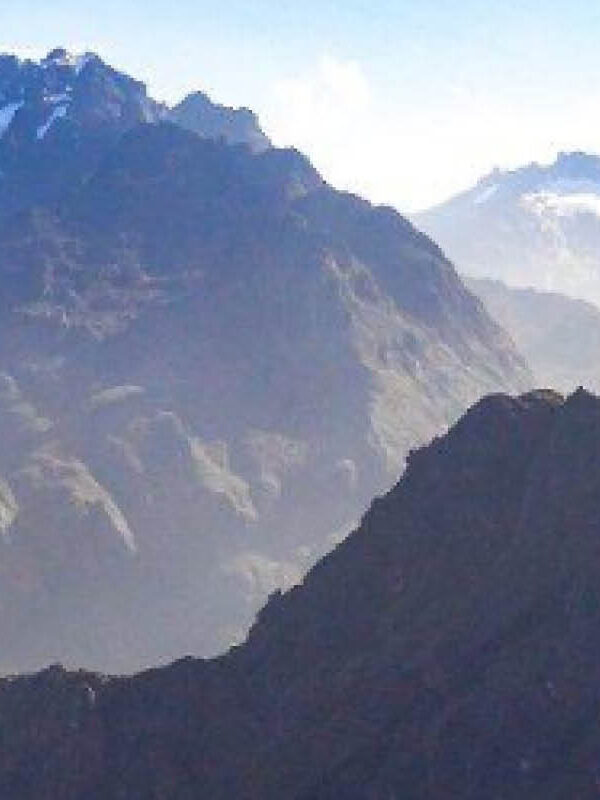
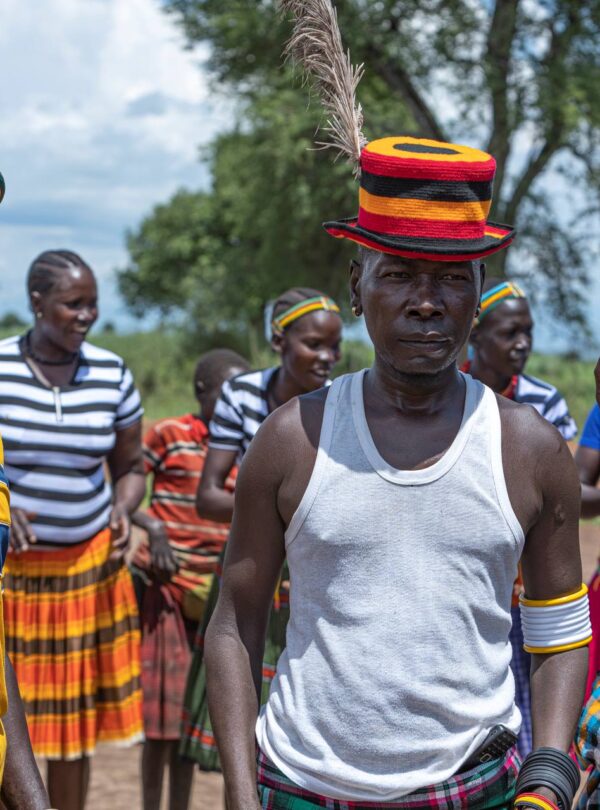
Heritage Trails
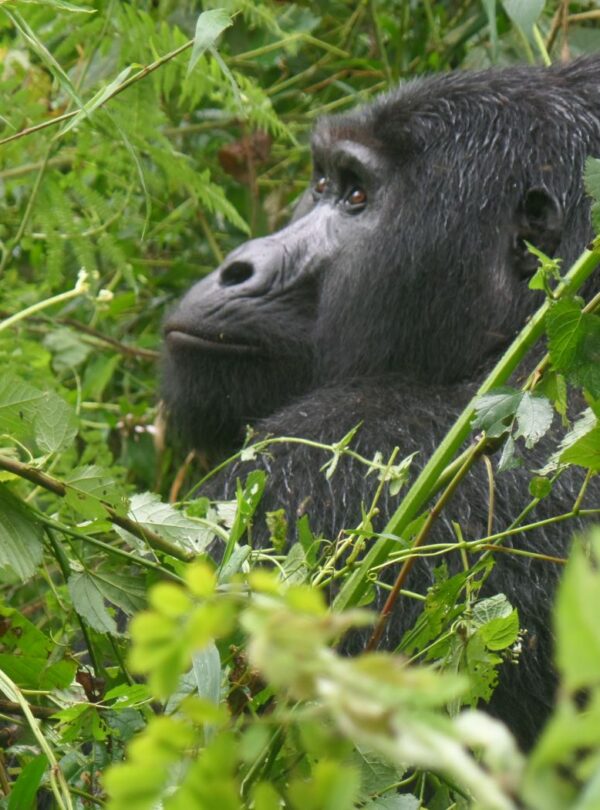
Combine Semuliki with Other Destinations
Combining Semuliki National Park with other western Uganda destinations can create a varied safari featuring rainforest, primates, mountains and savannah wildlife. The right combination depends on your available time, preferred activities and travel route.
Semuliki and Kibale National Park
Combine Semuliki’s lowland forest, geothermal attractions and specialised birding with chimpanzee tracking and other primate experiences in Kibale National Park. The pairing introduces travellers to two distinctive forest ecosystems within western Uganda.
Explore our Kibale National Park guide for more information about chimpanzee tracking and forest experiences.
Semuliki and the Rwenzori Mountains
A safari combining Semuliki with the Rwenzori region offers a contrast between lowland rainforest and dramatic mountain landscapes. Travellers can enjoy forest nature experiences alongside scenic views of the Rwenzori foothills or, with additional time and preparation, explore designated mountain trails. The appropriate route depends on the planned mountain activities and the number of days available.
Semuliki and Queen Elizabeth National Park
Combine Semuliki’s forest environment with savannah game drives, a Kazinga Channel boat cruise and other wildlife experiences in Queen Elizabeth National Park. This combination offers a wider perspective on western Uganda’s natural diversity, from dense rainforest to open grassland and lake environments. Explore our Queen Elizabeth National Park guide for wildlife and itinerary information.
Semuliki and the Fort Portal Crater Lakes
The crater-lake landscapes around Fort Portal can add scenic viewpoints, relaxation and opportunities for nature exploration to a Semuliki itinerary. This combination can work well for travellers who want a gentler pace between forest activities and other western Uganda destinations.


Responsible Travel in Semuliki National Park
Visiting Semuliki National Park offers an opportunity to appreciate one of Uganda’s most distinctive forest ecosystems while supporting conservation and responsible tourism. The park protects habitats associated with the Guinea–Congo forest region, including wildlife and plant communities that depend on the continued health of the forest.
During guided walks, follow ranger instructions, remain on designated trails and avoid disturbing wildlife. At Sempaya Hot Springs, observe all safety restrictions and keep a safe distance from boiling water, steam vents and unstable ground. Never leave litter, remove plants or interfere with natural features.
Choose responsible safari operators, locally operated accommodation and community experiences that respect local traditions and provide meaningful benefits to residents. Community visits should be arranged with consent and conducted in a way that respects cultural practices and individual privacy.
For official visitor regulations, conservation guidance and activity information, consult the Uganda Wildlife Authority. For wider destination information and tourism development, visit the Uganda Tourism Board. Responsible travel helps protect Semuliki’s forests, geothermal attractions and wildlife while supporting communities connected to the wider landscape.
Frequently Asked Questions About Semuliki National Park
Semuliki National Park is best known for Sempaya Hot Springs, its lowland tropical rainforest and distinctive Guinea–Congo forest birdlife. Visitors can explore geothermal attractions, guided forest trails, birding routes and selected cultural experiences.
Semuliki National Park is in Bundibugyo District in western Uganda, within the Semuliki Valley near the Democratic Republic of Congo border. It is generally accessed by road through Fort Portal.
Principal activities include visiting Sempaya Hot Springs, guided forest walks, birdwatching, nature exploration and selected community experiences. The Kirumia and Red Monkey trails are among the park’s recognised forest routes.
Yes, visitors can explore designated viewing areas with authorised guides. However, the springs contain dangerously hot water and steam. Remain on approved paths, follow ranger instructions and never touch the boiling water or geothermal vents.
Yes. Semuliki is an important destination for birdwatchers interested in Guinea–Congo forest species. Guided walks along suitable trails can provide opportunities to observe specialised forest birds, although sightings depend on natural conditions.
Semuliki can be visited throughout the year. Relatively drier periods may offer more manageable walking conditions, but rain remains possible in the tropical forest. The best dates depend on your planned activities, birding interests and tolerance for wet trails.
A short visit can focus on Sempaya Hot Springs and a selected nature walk. Dedicated birdwatchers or visitors interested in longer forest trails may benefit from additional time. The ideal stay also depends on your accommodation and travel route.
Accommodation can be arranged around Fort Portal, Bundibugyo or selected locations in the wider Semuliki Valley. Choose a property based on your planned activities, comfort preferences and transfer times to the relevant park entrance or trailhead.
Most visitors travel by road through Fort Portal towards Bundibugyo. Private safari transport is a practical option, particularly for travellers combining Semuliki with other western Uganda destinations. Regional flights may be considered where suitable services and onward transfers are available.
Yes. Semuliki can be combined with Kibale for chimpanzee tracking and forest experiences or Queen Elizabeth National Park for savannah wildlife and boat safaris. The itinerary should allow sufficient time for road transfers and scheduled activities.
Plan Your Visit to Semuliki National Park
Plan your visit to Semuliki National Park by selecting the forest experiences that interest you most, confirming current activity arrangements and choosing accommodation that fits your travel route. Njagi Safaris can organise a private Uganda safari combining Sempaya Hot Springs, guided nature walks, birding and other western Uganda destinations.
Share your intended travel dates, group size, accommodation preferences and interests through the enquiry form below. Our team will help you develop a practical itinerary tailored to your travel plans.