Kidepo Valley National Park
Kidepo Valley National Park is one of Uganda’s most distinctive safari destinations, celebrated for its remote wilderness, expansive savannah plains, dramatic mountain scenery and remarkable wildlife. Located in northeastern Uganda within the Karamoja region, the park offers a different perspective on Uganda’s natural heritage, far from the country’s more frequently travelled western safari circuit.
From wildlife viewing in the Narus Valley and birding across open grasslands to scenic drives and cultural experiences in neighbouring communities, Kidepo rewards travellers seeking space, tranquillity and a deeper connection with Uganda’s landscapes.
Kidepo Valley National Park at a Glance
- Location: Northeastern Uganda, in the Karamoja region near the borders with South Sudan and Kenya.
Landscape: Open savannah plains, seasonal river valleys, rocky outcrops and surrounding mountain ranges.
Park size: Approximately 1,442 square kilometres.
Best known for: Remote wilderness, game drives, large buffalo herds and distinctive dry-country wildlife.
- Other experiences: Birding, guided nature walks, scenic exploration and selected cultural experiences.
- Principal safari areas: Narus Valley, Kidepo Valley and the Apoka area.
- Safari style: Suitable for private, tailor-made, wildlife-focused and premium safaris, including fly-in itineraries.
- Planning priority: Confirm road or flight arrangements, accommodation availability and sufficient time for wildlife activities.
- A distinctive savannah wilderness: Kidepo’s geography differs from Uganda’s western national parks. Its broad valleys, seasonal watercourses and surrounding highlands support wildlife adapted to the region’s comparatively dry conditions. The Narus Valley is particularly important because remaining water sources attract animals during drier periods.
Kidepo is more than a remote wildlife destination. Its expansive landscapes and proximity to the wider Karamoja region create opportunities to combine wildlife viewing with scenic exploration and carefully arranged cultural encounters.
Why Visit Kidepo Valley National Park?
The appeal of Kidepo Valley National Park begins with its sense of space and wilderness. Open grasslands stretch towards distant mountains, while scattered trees, rocky formations and seasonal river valleys create a landscape that feels different from Uganda’s forested and more intensively visited safari regions.
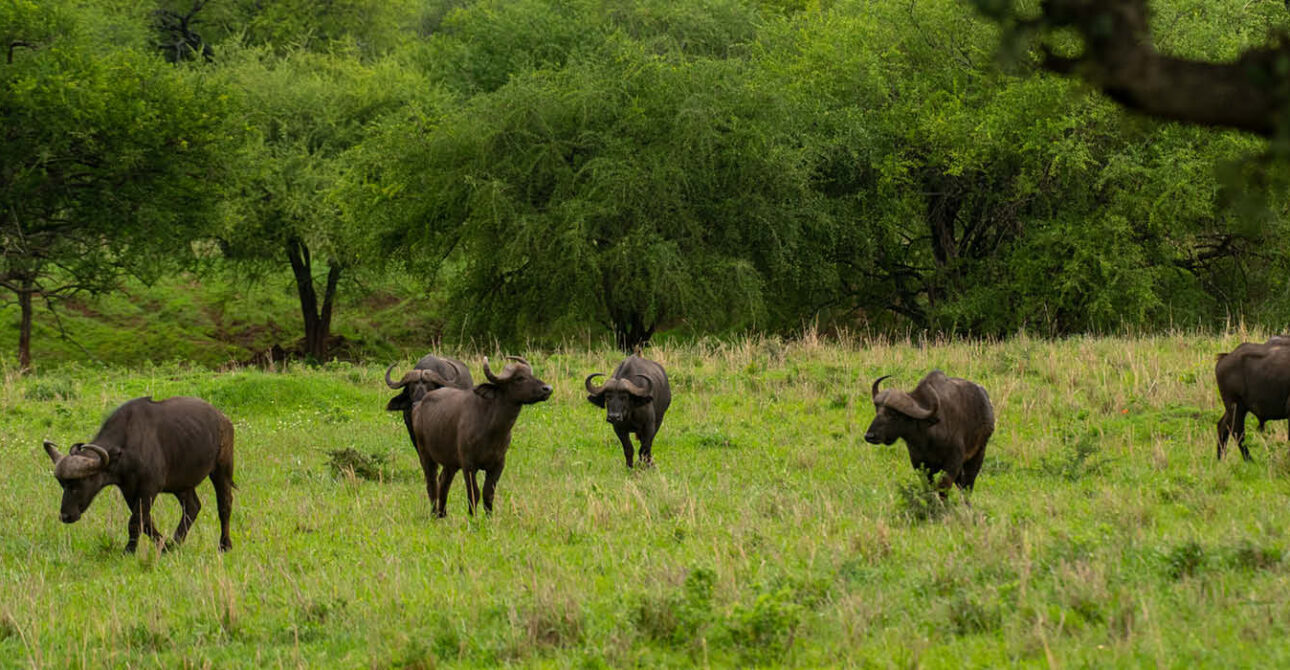
Wildlife viewing is a principal attraction. Visitors can explore the Narus Valley and other designated game-viewing areas in search of buffaloes, elephants, giraffes, zebras, antelopes and predators. Sightings depend on seasonal conditions, animal movements and the time spent exploring the park.
Kidepo also attracts birdwatchers interested in species associated with northeastern Uganda’s dry savannah habitats. Ostriches, birds of prey and other distinctive species make the park particularly appealing for specialised birding itineraries.
Beyond wildlife, the surrounding Karamoja region provides opportunities to learn about local traditions, pastoral livelihoods and community conservation initiatives through responsibly organised experiences. A visit to Kidepo can therefore combine wildlife safaris, birding, scenic landscapes and cultural discovery within a private Uganda itinerary designed around the time needed to reach and explore this remote destination. Explore our Uganda Safari Destinations.
Things to Do in Kidepo Valley National Park
Kidepo offers a range of experiences suited to wildlife enthusiasts, birdwatchers, photographers and travellers interested in Uganda’s less-visited landscapes. The right combination depends on your interests, the season, available time and current park arrangements.
Game Drives in the Narus Valley
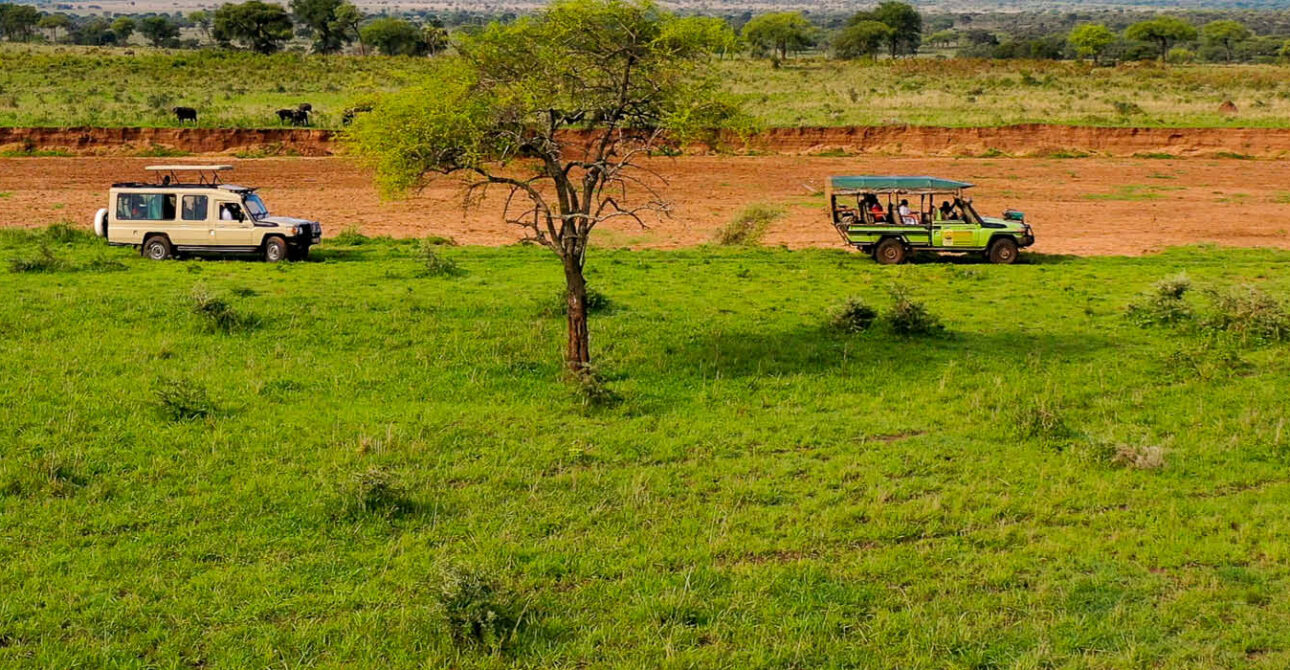
Game drives are among the principal activities in Kidepo Valley National Park. The Narus Valley is an important wildlife-viewing area, particularly during drier periods when animals gather near remaining water sources.
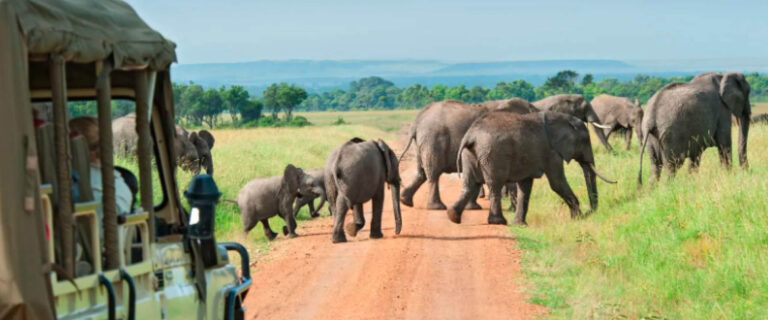
Visitors may encounter buffaloes, elephants, giraffes, zebras, antelopes and predators while travelling through open savannah habitats. Early morning and late afternoon drives can be particularly rewarding, although sightings remain unpredictable.
Explore our Uganda Wildlife Viewing experiences for more information about incorporating game drives into a wider safari.
Birding in Kidepo Valley National Park
Kidepo is an important birding destination, especially for visitors interested in dry-country species associated with northeastern Uganda. Its grasslands, woodland, seasonal river habitats and rocky landscapes support a varied bird community.
Ostriches, secretary birds, hornbills, bee-eaters and numerous birds of prey are among the attractions described in the park’s birding records. Dedicated birders should discuss target species, seasonal conditions and suitable routes with their guide before travel.
Exploring the Kidepo Valley
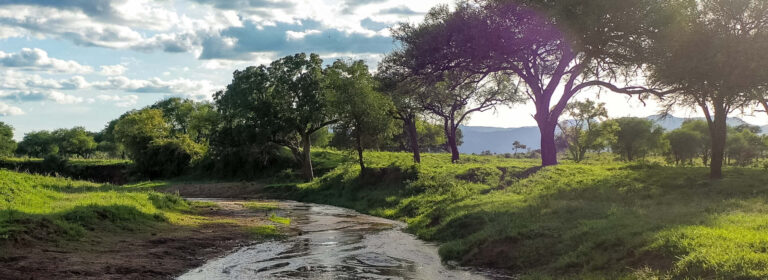
The Kidepo Valley offers a different landscape from the wildlife-rich Narus area. Seasonal watercourses, sandy riverbeds, open plains and distant mountain scenery create opportunities for landscape photography and scenic exploration.
The valley is especially interesting for travellers who appreciate the park’s geography and the contrast between its seasonal habitats. Access to particular areas depends on road conditions, park guidance and the availability of authorised routes.
Guided Nature Walks
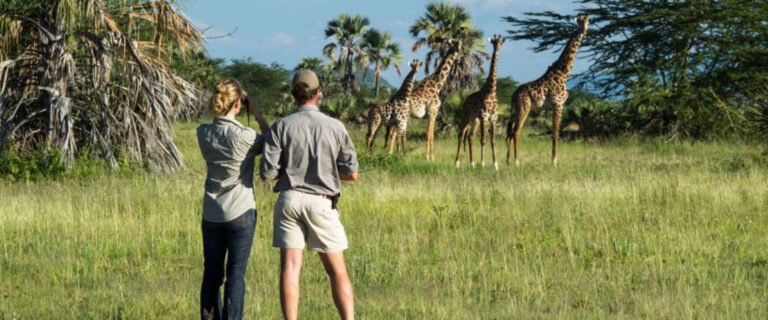
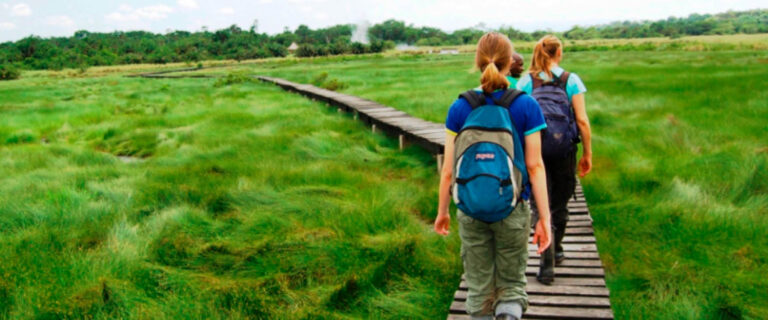
Guided walks provide an opportunity to appreciate Kidepo’s landscapes, vegetation, tracks and smaller wildlife at a slower pace.
Nature Walks activities must be arranged through authorised park personnel and undertaken only in designated areas. Routes and availability should be confirmed in advance.
Scenic Exploration and Photography
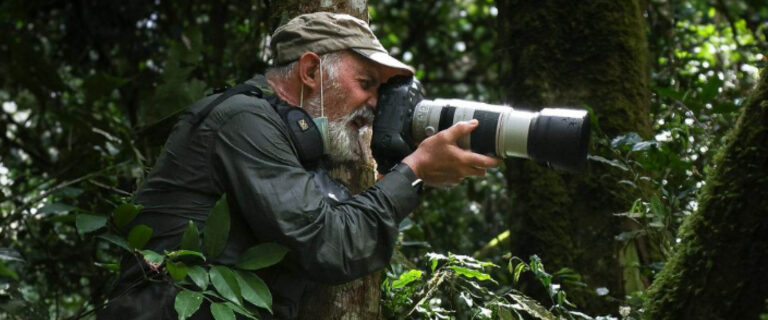
Kidepo’s sweeping grasslands, mountain backdrops and changing light make it a rewarding destination for landscape and wildlife photography. Photographers may find particular interest in the open views around Apoka, the Narus Valley and other accessible viewpoints. The best locations depend on wildlife movements, road conditions and the time of day.
Cultural and Community Experiences
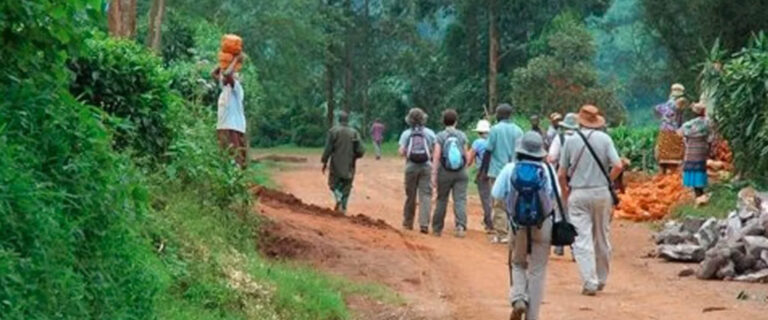
Selected cultural experiences in the wider Karamoja region can introduce visitors to local heritage, pastoral traditions and community livelihoods. Visits should be organised through responsible local providers, with community consent and appropriate guidance on photography, cultural sensitivity and participation.
Experiences involving communities around Mount Morungole, including the Ik, require additional planning and should not be presented as routine park activities. Accessibility, local permissions and suitable guiding arrangements must be confirmed beforehand.

Understanding Kidepo’s Main Safari Areas
Kidepo Valley National Park contains several distinct landscapes. Understanding these areas helps travellers plan game drives, accommodation and the amount of time needed to explore the park.
Narus Valley
The Narus Valley is one of Kidepo’s principal wildlife-viewing areas. Its water sources are especially important during drier periods, attracting animals that depend on the valley’s remaining pools and vegetation. For many visitors, the Narus Valley forms the centre of a wildlife-focused Kidepo safari.
Kidepo Valley
The Kidepo Valley occupies a different part of the park and is characterised by seasonal watercourses, broad plains and more open landscapes. Its appeal includes scenery, dry-country habitats and opportunities to experience the park beyond its main wildlife concentrations.
Apoka Area
Apoka is an important base for visitor activities and access to the park’s central safari areas. Its location makes it practical for organising game drives and exploring the surrounding landscape, subject to accommodation availability and operational arrangements.
Mount Morungole and Surrounding Highlands
The Mount Morungole landscape forms part of the dramatic mountain scenery associated with the wider Kidepo region.
It is also culturally significant because of communities living in the surrounding highlands. Travellers interested in hiking or cultural visits should confirm access, guiding, permissions and the physical demands of the proposed experience.
Important planning note: Kidepo’s different safari areas should not be treated as interchangeable. Game-viewing priorities, road conditions, accommodation location and the season all influence how a visit should be arranged. Confirm current access requirements with the Uganda Wildlife Authority before finalising the itinerary.
Wildlife, Savannah and Biodiversity
Kidepo Valley National Park protects a distinctive combination of savannah grasslands, woodland, seasonal river habitats and mountainous landscapes. These environments support wildlife associated with northeastern Uganda’s comparatively dry climate.
Large mammals include buffaloes, elephants, giraffes, zebras and several antelope species. Lions, leopards and other carnivores also form part of the park’s wildlife, although predator sightings are never guaranteed. The Narus Valley is particularly important during dry conditions, when available water influences the distribution of animals across the park.
Kidepo’s conservation value extends beyond its larger mammals. Its birdlife, vegetation, smaller wildlife and landscape diversity contribute to the ecological significance of this protected area. For visitors, the park provides an opportunity to appreciate a different side of Uganda’s natural heritage: a vast savannah environment where wildlife observation depends on patience, seasonal understanding and responsible conduct.
Birdlife of Northeastern Uganda
Kidepo is especially interesting to birdwatchers seeking species associated with the dry habitats of northeastern Uganda.
The park’s birdlife includes ostriches, secretary birds, hornbills, bee-eaters, bustards and numerous raptors. Some species are particularly associated with this region and may be less readily encountered on Uganda’s western safari circuit.
Travellers with specialist birding interests should plan suitable time in the park and discuss target species with an experienced guide.
Where to Stay in Kidepo Valley National Park
Choosing accommodation in Kidepo begins with considering the location of the lodge, access to wildlife-viewing areas and your preferred level of comfort.
The park and surrounding region offer a smaller accommodation selection than Uganda’s more established western safari destinations. Early planning is therefore particularly useful for visitors travelling during popular periods.
Apoka and the Central Park Area
Accommodation around Apoka provides convenient access to the park’s central safari areas and the Narus Valley.
This location can be particularly suitable for travellers whose main interests are game drives, photography and wildlife viewing.
Accommodation Near the Park Boundaries
Selected lodges and camps outside or near the park boundaries can provide alternative accommodation options. Their suitability depends on the entrance used, road conditions, travel time to game-viewing areas and the activities included in the itinerary.
Premium and Fly-in Safari Accommodation
Travellers seeking a higher level of comfort can consider carefully selected premium accommodation combined with domestic or charter flight arrangements, subject to current availability. This approach can reduce long-distance road travel and allow more time for wildlife experiences.
How to choose: Prioritise accommodation location, access to planned activities, service standards and realistic transfer times rather than selecting a lodge on photographs alone.
Explore our itineraries, accommodation collection and travel styles to help arrange accommodation and transport around the relevant highland destinations.
Best Time to Visit Kidepo Valley National Park
The best time to visit Kidepo Valley National Park depends on your preferred activities, travel dates and interest in wildlife viewing, birding or scenic landscapes. Kidepo experiences a comparatively dry climate, with a pronounced seasonal pattern that influences vegetation, water availability and wildlife movements.
Drier Months: September to March
The generally drier period, particularly from approximately September to March, can be favourable for game viewing as vegetation becomes shorter and animals increasingly depend on available water sources. The Narus Valley can be particularly rewarding during these conditions. Visitors should prepare for warm temperatures, dust and strong sunshine, especially during the hotter months.
Greener Months: April to August
The wetter part of the year brings greener grasslands, seasonal watercourses and changing landscapes. These conditions can appeal to photographers, birdwatchers and travellers who prefer lush scenery. Wildlife may be more widely dispersed, while some roads and tracks can become difficult after heavy rain.
Planning for Seasonal Conditions
Kidepo’s climate differs from Uganda’s southwestern rainforest destinations. Temperatures, rainfall and road access should therefore be considered specifically for the Karamoja region rather than using a general Uganda travel calendar. For a comfortable visit, carry sun protection, lightweight clothing, a warm layer for cooler periods, appropriate footwear and suitable rain protection.
How to Get to Kidepo Valley National Park
Reaching Kidepo Valley National Park requires more advance planning than visiting many of Uganda’s western national parks. Its remote northeastern location makes transport arrangements an important part of the safari experience.
By Road
Many visitors travel by private 4×4 safari vehicle from Kampala or Entebbe, commonly using routes through northern Uganda.
The journey is long and may take a full travel day or longer depending on the departure point, chosen route, road conditions, traffic and stops.
An overnight stop in northern Uganda can make the journey more comfortable and allow time to explore additional destinations. Road conditions can change significantly after rain, particularly on less-developed sections approaching the park.
By Domestic or Charter Flight
Scheduled or charter flight arrangements may be available to an airstrip serving Kidepo, subject to airline operations, aircraft availability and applicable conditions.
Flying can be particularly appealing to travellers with limited time or those seeking a more comfortable premium safari itinerary. Flight schedules, baggage allowances, departure points and ground transfers must be confirmed before booking.
Connecting from Other Safari Destinations
Kidepo can be incorporated into longer Uganda itineraries that include Murchison Falls National Park, Ziwa Rhino Sanctuary or destinations in the wider Karamoja region. Because of the distances involved, the sequence of destinations should be planned carefully to avoid unnecessary backtracking.
Safari Packages Featuring Kidepo Valley National Park
Explore Uganda safari packages that include Kidepo Valley National Park and match your preferred wildlife experiences, travel duration and accommodation collection. Depending on the itinerary, a visit can focus on Kidepo’s remote savannah landscapes or combine the park with other wildlife and cultural destinations in northern Uganda.

Pearl Odyssey
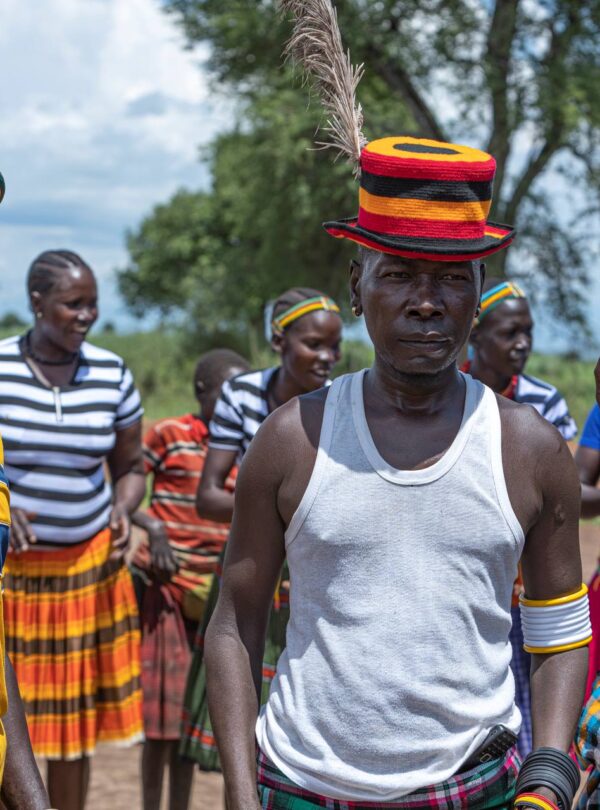
Heritage Trails
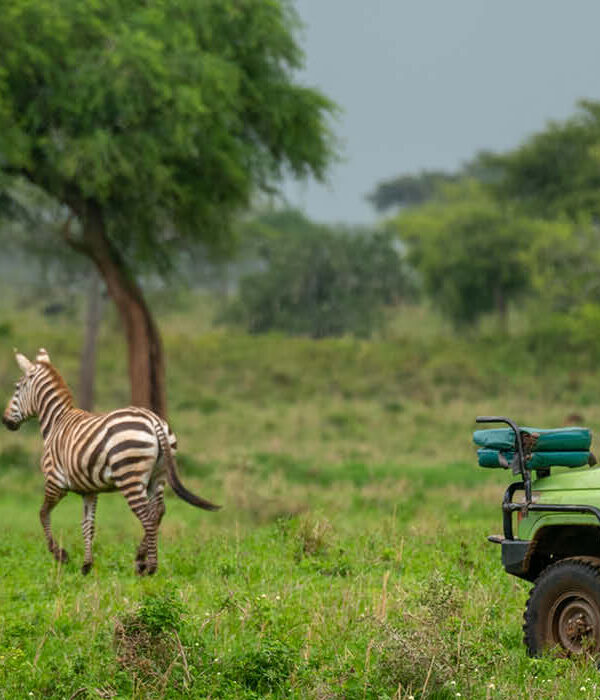
Combine Kidepo with Other Destinations
Combining Kidepo Valley National Park with other destinations can create a broader Uganda safari featuring wildlife, landscapes and cultural experiences. The right combination depends on available time, transport arrangements and your preferred travel pace.
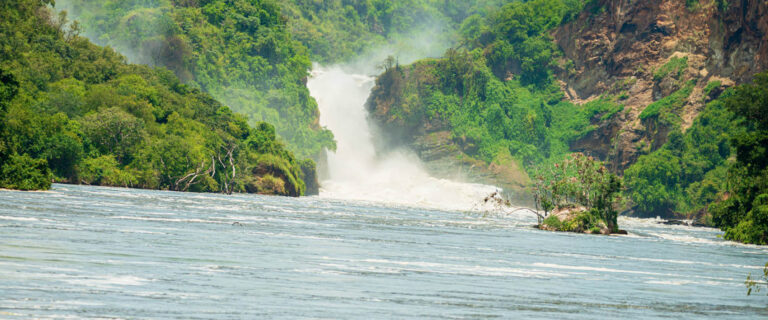
Kidepo and Murchison Falls National Park
Combine Kidepo’s remote savannah wilderness with wildlife viewing and Nile experiences in Murchison Falls National Park. This pairing can create a rewarding northern Uganda safari, although sufficient travel time is essential.
Kidepo and Ziwa Rhino Sanctuary
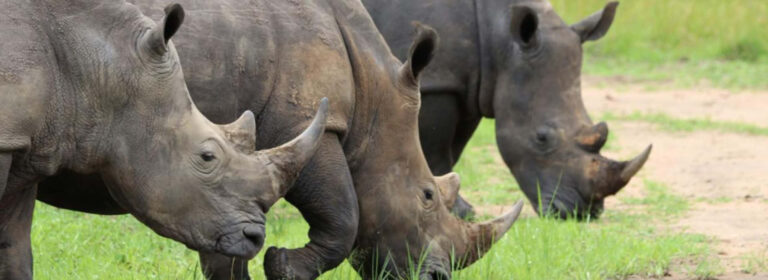
Ziwa Rhino Sanctuary may be incorporated into selected northern Uganda routes, depending on the overall itinerary. It offers a different conservation experience that can complement Kidepo’s wildlife and landscapes. Activity access and current rhino-viewing arrangements should be confirmed in advance.
Kidepo and the Karamoja Region
The wider Karamoja region offers opportunities to explore distinctive landscapes and responsibly arranged cultural experiences. A longer itinerary can include selected community visits, scenic routes and additional nature-based activities.
Kidepo and Other Uganda Wildlife Destinations
Travellers with more time can combine Kidepo with additional national parks, including Queen Elizabeth National Park or other destinations on Uganda’s western safari circuit. Because these combinations involve considerable distances, they are generally better suited to longer itineraries or carefully arranged domestic flight connections.

Responsible Travel in Kidepo Valley National Park
Visiting Kidepo Valley National Park offers an opportunity to experience Uganda’s remarkable savannah wilderness while supporting wildlife conservation and responsible tourism. The park protects important habitats and wildlife populations within a landscape closely connected to neighbouring communities.
During your visit, follow your ranger guide’s instructions, remain on authorised routes, maintain appropriate distances from wildlife and never feed or disturb animals. Avoid littering, unnecessary noise and activities that damage vegetation or sensitive habitats.
Responsible cultural tourism is equally important. Choose community-guided experiences that respect local traditions, obtain consent before photographing people and support fair participation by local residents. Cultural visits can also be organised through Kara-Tuga as respectful exchanges rather than staged encounters.
For official park information, conservation guidance and current visitor requirements, consult the Uganda Wildlife Authority. For broader destination information and tourism standards, visit the Uganda Tourism Board. By travelling thoughtfully, visitors can help ensure that Kidepo’s natural landscapes and neighbouring communities continue to benefit from responsible tourism.
Frequently Asked Questions About Kidepo Valley National Park
Kidepo Valley National Park is located in northeastern Uganda within the Karamoja region, near the borders with South Sudan and Kenya. Its remote location and expansive savannah landscapes distinguish it from Uganda’s western national parks.
Kidepo supports buffaloes, elephants, giraffes, zebras, antelopes and several carnivore species. The park is also known for its distinctive birdlife, including ostriches and other dry-country species. Sightings depend on natural conditions, seasonal movements and time spent exploring the park.
The generally drier months, particularly September to March, can be favourable for wildlife viewing as animals concentrate around available water sources. The greener months offer attractive landscapes and birding opportunities, although rainfall can affect road conditions and wildlife distribution.
Two to three nights in or near the park can provide time for several game drives and scenic exploration. Travellers interested in specialist birding, photography or cultural experiences may prefer a longer stay. Additional travel days should be allowed for road journeys from Kampala or other distant destinations.
Kidepo can be reached by road using a suitable safari vehicle or by available domestic and charter flight arrangements. Road travel involves a long journey through northern Uganda, while flights can reduce transfer time. Current schedules, routes and ground transfers should be confirmed before booking.
Yes. Kidepo can be incorporated into a premium or luxury Uganda safari using carefully selected accommodation, private guiding and suitable transport arrangements. The range of accommodation is smaller than in some other Ugandan parks, making advance planning important.
Yes. Kidepo and Murchison Falls National Park can be combined in a longer northern Uganda safari. The itinerary should account for the considerable driving distances and allow sufficient time for wildlife viewing in both parks.
Yes. Selected cultural and community experiences can be incorporated into a Kidepo safari, subject to access, local arrangements and community consent. These visits can introduce travellers to the heritage and livelihoods of communities in the wider Karamoja region.
Plan Your Visit to Kidepo Valley National Park
Plan your visit to Kidepo Valley National Park with Njagi Safaris by selecting the right travel dates, arranging suitable transport and choosing accommodation that provides convenient access to your preferred wildlife experiences.
Share your travel dates, group size, accommodation preferences and interests through the enquiry form below. Our team will help you plan a practical itinerary that reflects your preferred travel style and the time available.